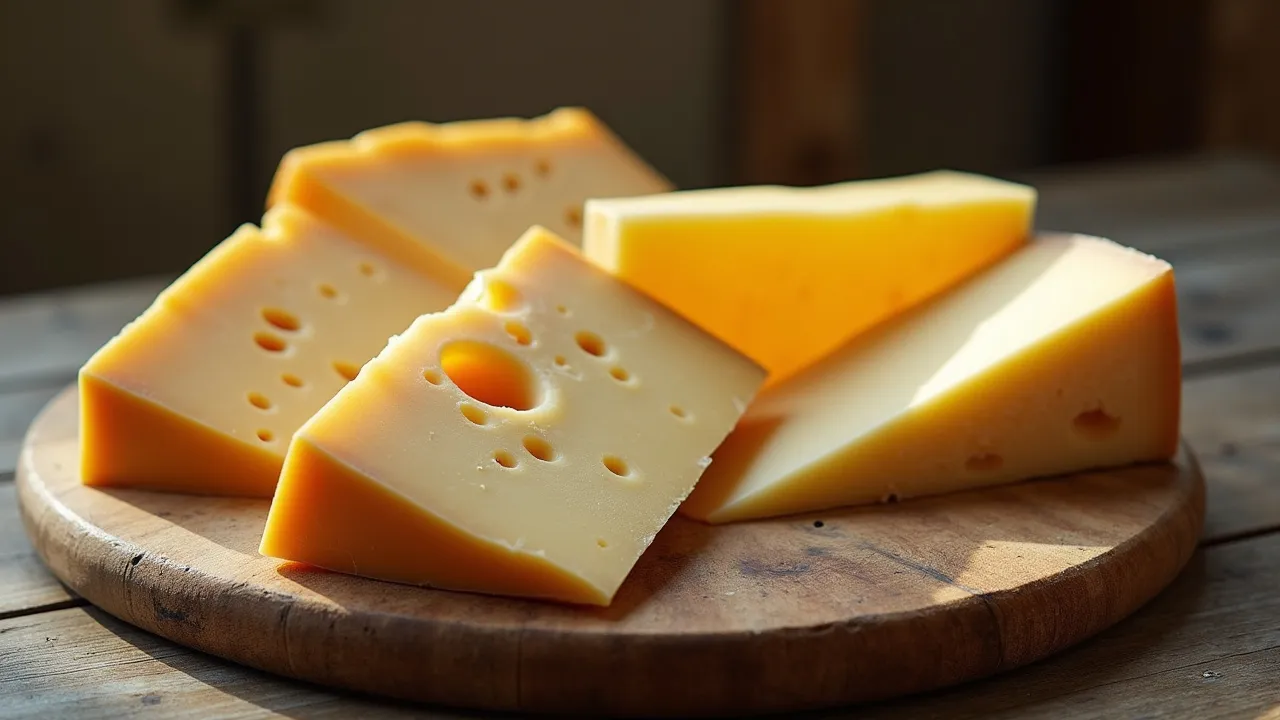
Swiss Cheese Day, observed on January 2nd, celebrates the rich heritage of Swiss cheese varieties like Emmental and Gruyère. Dive into its history, production methods, and global culinary impact.
The Historical Origins & Evolutionary Journey of Swiss Cheese Day
Swiss Cheese Day, observed annually on January 2nd, is a tribute to one of the world's most iconic cheese families. While the day was formally established in 2015 by the Wisconsin Milk Marketing Board, the story of Swiss cheese dates back centuries. This section delves into the deep historical roots and the modern celebration's inception.
The Foundational Catalyst: Birth of Emmental Cheese
The first Swiss cheese, known as Emmental or Emmentaler, originated in the Emme Valley of Switzerland around the 13th century. Its signature large holes, or "eyes," are formed by Propionibacterium freudenreichii bacteria during aging, releasing carbon dioxide. By the 19th century, Emmental became a global export, prized for its nutty flavor and melting qualities.
Legislative Adoption and Modern Observance
In the United States, Swiss cheese gained popularity in the 20th century, particularly with the rise of deli sandwiches and fondue. The Wisconsin Milk Marketing Board officially designated January 2nd as Swiss Cheese Day in 2015 to promote Wisconsin's thriving cheese industry, which produces over 600 million pounds of Swiss cheese annually. The date was chosen to kick off the new year with a celebration of dairy excellence.
Modern Global Legacy
Today, Swiss Cheese Day is recognized by cheese enthusiasts worldwide. It encourages exploration of Swiss cheese varieties—from Gruyère to Appenzeller—and supports local dairies. The day also highlights the cultural significance of Swiss cheese in mountain cuisine and its role in international gastronomy.
How to Celebrate Swiss Cheese Day Around the World
Swiss Cheese Day invites everyone to indulge in the creamy, nutty goodness of Swiss cheese. Whether you're a home cook or a professional chef, here's a definitive guide to celebrating across different cultures.
Actionable Celebration Strategies
Host a Swiss Cheese Tasting: Arrange a platter with Emmental, Gruyère, Appenzeller, and Raclette. Pair with crusty bread, fruits, and white wine.
Cook Traditional Swiss Dishes: Prepare fondue (using Gruyère and Emmental), raclette (melted cheese over potatoes), or a classic Swiss cheese quiche.
Visit a Local Dairy or Cheese Shop: Support artisan producers and learn about cheese-making processes.
Organize a Cheese-Making Workshop: For schools or community groups, teach the basics of curdling and aging.
Global Traditions
Switzerland: Participate in cheese festivals in the Emmental region, where cow parades and cheese-making demonstrations take place.
United States: Wisconsin hosts special tastings at cheese stores, and many restaurants offer Swiss cheese-themed menus.
France: Pair Swiss cheese with local wines and baguettes, often in fondue gatherings.
Japan: Innovative fusion dishes like Swiss cheese ramen or sushi rolls feature in specialty cafes.
The Art and Science of Swiss Cheese Production
Swiss cheese is renowned for its complex flavor and distinct holes. Understanding its production deepens appreciation for this craft.
Milk Sourcing and Curdling
Farmers use high-quality cow's milk from Alpine pastures. The milk is heated with starter cultures and rennet to form curds.Pressing and Aging
Curds are pressed into molds and brined. Aging for 2-24 months in humid caves develops flavor.The Mystery of Holes
Holes are created by Propionibacterium freudenreichii producing CO2. Traditionally, holes were a sign of quality; modern methods sometimes reduce them.Nutritional Profile
Swiss cheese is rich in calcium, protein, and vitamin B12, making it a healthy addition to diets.Global Economic and Cultural Impact of Swiss Cheese
Swiss cheese is not just a food—it's an economic driver and cultural icon.
Economic Importance
Switzerland exports over 40,000 tons of cheese annually, with Emmental and Gruyère protected by Appellation d'Origine Protégée (AOP) status. In the US, Wisconsin produces the majority of domestic Swiss cheese, supporting thousands of dairy jobs.Cultural Significance
In Swiss culture, cheese is central to communal meals like fondue and raclette. It appears in festivals, folklore, and even literature (e.g., Heidi). The holes have become a symbol of Swiss ingenuity.Environmental Impact
Alpine grazing promotes biodiversity, but industrial production raises concerns about carbon footprint. Many producers now adopt sustainable practices.Pairing Swiss Cheese with Beverages and Foods
Swiss cheese's nutty, earthy notes pair beautifully with specific drinks and dishes.
Wine Pairings
- Emmental: Riesling or Chardonnay
- Gruyère: Pinot Noir or Sauvignon Blanc
- Appenzeller: Gewürztraminer or Merlot
Non-Alcoholic Options
Apple cider, grape juice, or sparkling water with lemon complement the cheese.Food Pairings
Rye bread, pears, apples, walnuts, and dark chocolate enhance flavors. For a main course, spread melted Swiss on a burger or melt into pasta.Health Benefits and Nutritional Value of Swiss Cheese
Swiss cheese is a nutrient-dense food offering many health benefits.
Key Nutrients
Per ounce (28g): Calcium (20% DV), Protein (7g), Vitamin B12 (10% DV), Phosphorus (15% DV).Dental and Bone Health
Calcium and phosphorus strengthen teeth and bones. The cheese also promotes saliva production, reducing cavity risk.Low Lactose
Aging reduces lactose content, making Swiss cheese tolerable for many lactose-intolerant people.Moderation Advice
Swiss cheese is calorie-dense (approx. 110 calories per ounce) and high in saturated fat; consume in moderation as part of a balanced diet.Historical Timeline
Emmental cheese is first documented in the Emme Valley of Switzerland, becoming the archetype of Swiss cheese.
Emmental is mass-produced and exported globally. Large holes become a hallmark of Swiss cheese quality.
Swiss immigrants introduce cheese-making techniques to the United States, particularly in Wisconsin.
Swiss cheese production in Wisconsin outstrips that of Switzerland, with over 600 million pounds produced annually.
The Wisconsin Milk Marketing Board establishes Swiss Cheese Day on January 2nd to promote the state's dairy industry and Swiss cheese varieties.
The first official Swiss Cheese Day is celebrated with tastings, educational events, and social media campaigns.
Virtual celebrations emerge due to the COVID-19 pandemic, with online cheese-tasting classes and home delivery of Swiss cheese samplers.
Swiss Cheese Day gains global recognition, with events in Europe, Asia, and the Americas focusing on artisan cheese and sustainable dairy practices.