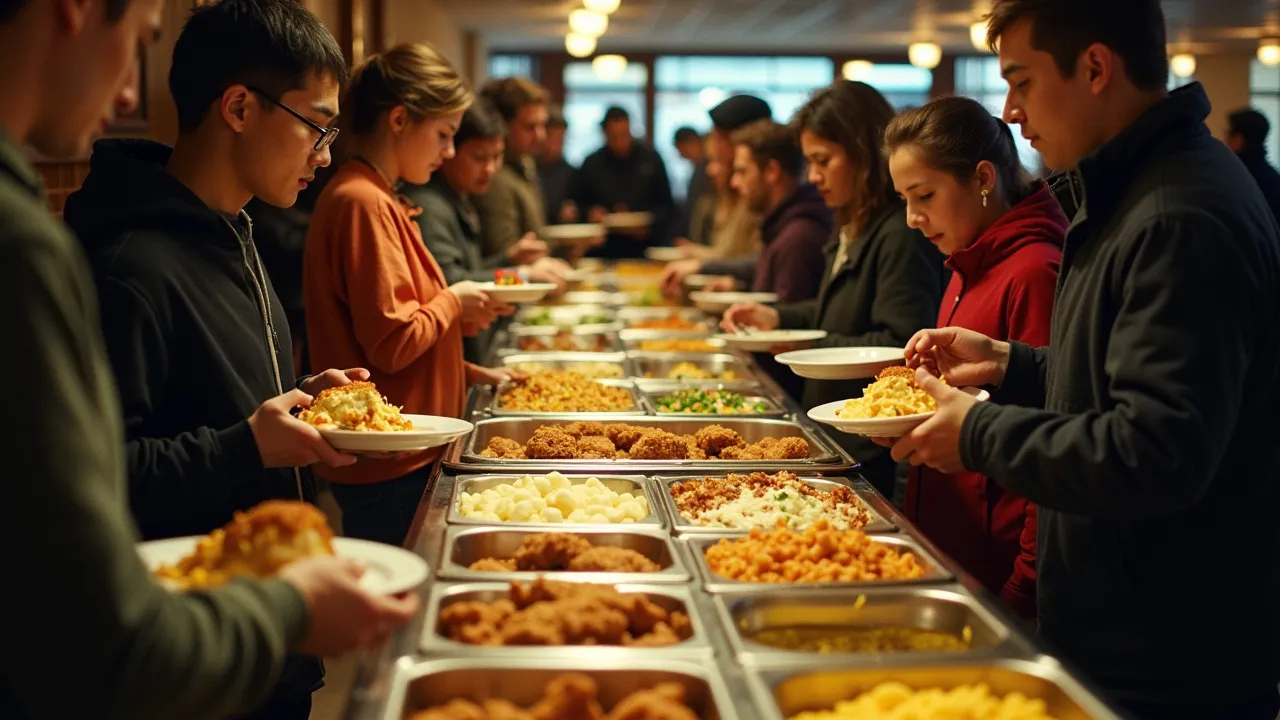
National Buffet Day, observed on January 2nd, celebrates the beloved self-service dining tradition. This day honors the history and culture of buffets, from their ancient origins to modern all-you-can-eat restaurants worldwide.
The Historical Origins & Evolutionary Journey
National Buffet Day, observed each year on January 2nd, pays homage to one of the most democratic and communal ways of dining: the buffet. This section traces the buffet's long evolution from ancient communal feasts to the modern all-you-can-eat establishments that dot the globe.
The Foundational Catalyst
The concept of self-service dining dates back thousands of years. In ancient Greece, symposia featured large shared platters. During the Middle Ages, European nobles hosted lavish buffet banquets where guests would serve themselves from sideboards. The term "buffet" itself comes from the French word for a sideboard or counter where dishes are arranged. By the 19th century, Swedish smorgasbords emerged as a sophisticated form of buffet, offering pickled fish, meats, and cheeses. This tradition spread to the United States through Scandinavian immigrants.
The Legislative/Official Adoption
In the United States, the modern buffet as we know it took shape in the mid-20th century with the rise of Las Vegas casinos. The first all-you-can-eat buffet is credited to Herb McDonald, who in 1946 introduced a $1.50 all-you-can-eat buffet at the El Rancho Vegas. This concept exploded in popularity, becoming synonymous with Las Vegas and later spreading to chain restaurants like Golden Corral (1973) and Ryan’s (1978). National Buffet Day was established by National Day Calendar around 2002 as a fun post-holiday observance to encourage families to enjoy leftovers or dine out at buffets.
Modern Global Legacy
Today, buffets exist in virtually every culture, from Brazilian churrascarias (rodizio) to Middle Eastern mazza spreads, Japanese shokudō, and Indian thali meals. In the 21st century, the industry has innovated with fast-casual buffets, ethnic-themed buffets, and hotel breakfast buffets. However, the COVID-19 pandemic temporarily challenged the format due to hygiene concerns, leading to adaptations such as server-staffed stations and touchless dispensers. National Buffet Day remains a celebration of choice, abundance, and community.
How to Celebrate National Buffet Day
National Buffet Day offers a perfect excuse to indulge in variety and abundance. Here is the ultimate guide to celebrating this day with gusto, whether you are a seasoned buffet lover or a first-timer.
For Individuals & Families
- Visit a Local Buffet: Search for your nearest all-you-can-eat restaurant. Many chains offer discounts or specials on January 2nd.
- Host a Home Buffet: Replicate the experience by setting up a line of leftover holiday dishes or a DIY taco bar. Let guests serve themselves.
- Try a New Cuisine: Use the day to explore an ethnic buffet, such as Chinese hot pot, Korean BBQ, or Italian antipasti.
For Schools & Organizations
- Potluck Event: Encourage staff or students to bring a dish to share in a buffet line. Award prizes for best dish or most creative presentation.
- Fundraiser Buffet: Host a pay-by-weight or all-you-can-eat event to raise money for a cause. Charge a flat fee and partner with local restaurants.
- Educational Theme: Teach about buffet origins and global variations. Use a "cultural buffet" where each table represents a different country.
Corporate & Social Rituals
- Office Buffet Lunch: Treat employees to a catered buffet to boost morale post-holidays.
- Buffet Etiquette Workshops: Combine celebration with learning. Teach the unwritten rules: don’t pile plates high, use clean plates for each trip, and respect hygiene.
Global Celebration Variations
- United States: Focus on comfort food buffets with fried chicken, mac and cheese, and holiday leftovers.
- Sweden: Many celebrate by hosting a smorgasbord, featuring cured salmon, meatballs, and lingonberry jam.
- Japan: Tabehodai (all-you-can-eat) restaurants for yakiniku or sushi are popular. People gather with groups to grill and eat.
- India: Thali buffets are common, offering a variety of curries, rice, breads, and sweets. Some restaurants have special National Buffet Day thalis.
- Brazil: Churrascarias offer rodizio service, but many also feature self-serve salad and hot bars.
Whatever your style, the key is to enjoy abundance without waste. Aim to fill your plate with a little of everything, savor each bite, and appreciate the culinary diversity.
The Economic Impact of the Buffet Industry
The buffet restaurant industry is a significant segment of the global food service market. In the United States alone, the buffet sector generates billions of dollars annually, with major chains like Golden Corral (over 400 locations), Old Country Buffet, and Sweet Tomatoes (before its pandemic decline) leading the way.
Market Size & Trends
According to industry reports, the global all-you-can-eat buffet market was valued at approximately $15 billion in 2023, with a projected growth rate of 4-5% CAGR. Growth drivers include consumer desire for variety, value pricing, and experiential dining. However, post-pandemic shifts toward cleaner, safer setups have forced many buffets to reinvent their business model.
Employment & Supply Chain
Buffets employ hundreds of thousands of workers worldwide, from chefs and line servers to dishwashers and managers. The industry relies heavily on bulk food suppliers, creating a large supply chain network. Many buffets also partner with local farms for fresh produce, supporting regional agriculture.
Impact of COVID-19
The pandemic hit buffets especially hard due to self-service concerns. Many closed permanently. Those that survived adopted measures such as pre-plated meals, servers behind sneeze guards, and contactless payment. Some shifted to a "buffet-to-go" model where customers pay by weight. National Buffet Day in 2021 was marked by a focus on supporting these resilient businesses.
Future Outlook
The industry is innovating with robotic servers, smart buffet trays that monitor freshness, and dynamic pricing based on demand. Additionally, the rise of vegan and plant-based buffets and farm-to-table buffets caters to evolving consumer preferences. National Buffet Day serves as an annual reminder of the buffet's enduring appeal.
Buffet Etiquette & Dining Customs Around the World
While buffets are universally beloved, each culture has its own set of unwritten rules. Understanding these can enhance your dining experience and show respect for local traditions.
Western Buffet Etiquette
- Plate Discipline: Never use your hands to pick food; always use the serving utensils. Avoid mixing different foods on your plate in a way that might contaminate others.
- Queue and Flow: Move in one direction along the buffet line. Do not cut in front of others or linger too long at any station.
- Waste Awareness: Take only what you will eat. Many buffets charge extra for leftover food. It’s better to take small portions and go back for more.
Asian Buffet Customs
- Japan: At tabehodai restaurants, it's common to order many small plates through a tablet or waiter rather than self-serve. Waste is strongly frowned upon.
- China: Hot pot buffets involve raw ingredients that you cook at your table. Use separate utensils for raw and cooked food.
- India: Thali buffets often have multiple chutneys and condiments. It is polite to try a little of everything and finish your serving.
Middle Eastern & Mediterranean
- Lebanon: Mezze buffets consist of small dishes like hummus, tabbouleh, and falafel. It’s customary to share from the same plates, using fresh bread as a scoop.
- Turkey: Turkish breakfast buffets (kahvaltı) feature olives, cheeses, jams, and eggs. Take small portions and enjoy with tea.
Latin American
- Brazil: At churrascarias, the salad bar is self-service, but meats are brought to your table. Only take what you can finish; overeating is seen as gluttonous.
- Mexico: Many fondas offer buffet-style meals. It is customary to tip the buffet staff who clear plates.
On National Buffet Day, when visiting a buffet, remember that good manners enhance everyone's enjoyment. Follow local customs, be mindful of others, and savour the variety.
Health & Nutrition Considerations at Buffets
Buffets often carry a reputation for overindulgence, but with mindful choices, they can be part of a balanced diet. National Buffet Day is an excellent time to learn strategies for healthy eating at all-you-can-eat establishments.
Pre-Planning
Before visiting a buffet, decide on a strategy. Use a smaller plate to control portions. Fill half your plate with vegetables and salads before moving to heavier items. Avoid high-calorie beverages like sodas or sugary cocktails; opt for water or unsweetened tea.
Navigating the Stations
- Salad Bar First: Start with a generous serving of leafy greens, colorful veggies, and lean proteins like grilled chicken or beans. Keep dressing on the side.
- Hot Entrees: Choose grilled or baked options over fried. For example, select roast chicken instead of fried chicken, and steamed vegetables over creamed ones.
- Carb Control: Limit starchy sides like mashed potatoes, rice, and pasta. If you must have them, take a small spoonful.
- Dessert: Pick one small treat to satisfy your sweet tooth. Fresh fruit is always a good option.
Mindful Eating
Eat slowly and savor each bite. It takes about 20 minutes for your brain to register fullness. Take breaks between trips. If the buffet offers a dessert station, consider waiting 10 minutes after your main meal before deciding if you still want dessert.
Special Diets
Many buffets now cater to dietary restrictions:
- Vegan/Vegetarian: Look for dedicated plant-based sections. Asian buffets often have tofu and vegetable stir-fries.
- Gluten-Free: Choose plain grilled items, salads without croutons, and avoid breaded foods. Some buffets label allergens.
- Keto/Low-Carb: Focus on proteins, leafy greens, and cheese. Avoid sauces that may contain sugar.
National Buffet Day can be a celebration of variety without sacrificing health. A balanced approach ensures you enjoy the experience guilt-free.
The Future of Buffet Dining: Trends & Innovations
The buffet industry is evolving rapidly to meet changing consumer expectations and technological advancements. National Buffet Day in the coming years will likely showcase several emerging trends.
Technology Integration
- Contactless Buffets: Self-service stations with voice-activated dispensers or robotic arms to reduce human touch.
- Smart Trays: Trays with built-in scales and sensors that track nutritional content and charge by weight, encouraging less waste.
- Mobile Ordering: Customers can pre-order selections via an app, and the food is delivered to the table, blending buffet variety with full-service convenience.
Sustainability
- Zero-Waste Buffets: Restaurants are adopting policies to donate excess food or compost scraps. Some use dynamic pricing to incentivize taking less.
- Farm-to-Buffet: Sourcing directly from local farms reduces carbon footprint and supports local economies. Menus change seasonally.
- Edible Packaging: For takeaway buffets, edible containers made from seaweed or rice paper eliminate plastic waste.
Culinary Innovation
- Fusion Buffets: Blending cuisines, such as a "Tex-Mex-Asian" buffet, offers unique combinations.
- Live Cooking Stations: Interactive stations where chefs prepare dishes on the spot, like pasta tossed to order or made-to-order sushi.
- Miniature Tastings: Smaller portions of gourmet dishes (e.g., tiny slider burgers, shot-glass desserts) allow customers to sample more varieties without waste.
Health & Safety
Post-pandemic, enhanced hygiene protocols are now standard. Expect more sneeze guards, disposable serving utensils, and frequent sanitization. Some buffets may adopt individual portion packs for condiments and dressings.
National Buffet Day will continue to be a catalyst for innovation, reminding us that the buffet concept is adaptable, resilient, and here to stay.
Historical Timeline
Symposia feature shared platters where guests serve themselves, an early form of buffet dining.
Nobles in Europe host "buffet banquets" with dishes arranged on sideboards for self-service.
The Swedish smorgasbord tradition formalizes as a festive buffet, spreading across Scandinavia.
Herb McDonald introduces the first all-you-can-eat buffet in Las Vegas at the El Rancho Vegas for $1.50.
Golden Corral opens its first location in Fayetteville, North Carolina, becoming a leading U.S. buffet chain.
National Day Calendar establishes National Buffet Day to be observed annually on January 2nd.
The COVID-19 pandemic severely impacts the buffet industry, leading to temporary closures and widespread adoption of new safety measures.
The global buffet market rebounds with innovative concepts like smart trays, zero-waste policies, and plant-based options.