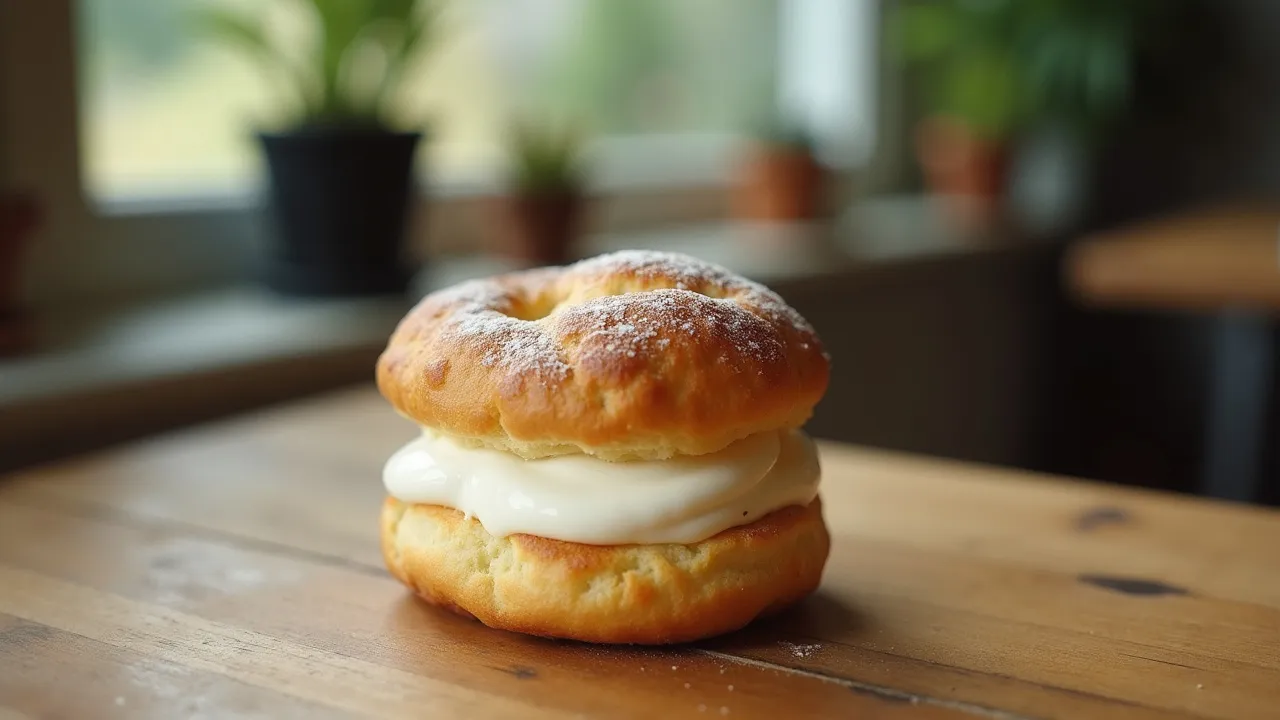
Celebrate National Cream Puff Day on January 2nd! Enjoy these delicate choux pastry shells filled with rich cream. Learn about their history, global variations, and how to make them at home.
The Historical Origins & Evolutionary Journey
National Cream Puff Day, observed annually on January 2nd, honors one of the world's most beloved pastries. The cream puff, a light choux pastry filled with creamy custard or whipped cream, has a rich history dating back centuries. This section explores its origins, evolution, and global legacy.
The Foundational Catalyst: Origins of Choux Pastry
The story begins in 16th century France, where a chef named Pantanelli (allegedly serving under Catherine de' Medici) invented a "pasta" that puffed when baked. This early choux pastry, called "pâte à chaud" (hot dough), was later refined. In the mid-19th century, legendary French chef Antonin Carême perfected the recipe, creating the light, hollow shell we know today. Carême's innovations included using butter, water, flour, and eggs to create a steam-leavened dough that puffs into a hollow center, perfect for filling.
The Birth of the Cream Puff
The modern cream puff emerged in the late 19th century, when bakers began filling choux pastry shells with whipped cream, custard, or pastry cream. The term "cream puff" first appeared in American cookbooks around 1875. By the early 20th century, cream puffs had become a staple in French patisseries and American bakeries. In the 1900s, companies like Hostess popularized mass-produced versions, but artisanal cream puffs remained a symbol of pastry excellence.
Modern Global Legacy
Today, cream puffs are enjoyed worldwide, with variations like profiteroles (filled with ice cream and drizzled with chocolate), gougères (savory cheese puffs), and éclairs (elongated cream puffs). National Cream Puff Day was established in the early 2000s by the National Confectioners Association to celebrate this versatile dessert. Social media has further fueled its popularity, with hashtags like #NationalCreamPuffDay trending annually. The day encourages people to bake at home, visit local patisseries, and explore creative fillings, from traditional vanilla to matcha and durian.
How to Celebrate National Cream Puff Day
Whether you're a home baker or a dessert enthusiast, there are countless ways to celebrate National Cream Puff Day. Here's the ultimate guide to making the most of this sugary holiday.
Baking from Scratch
Honor the day by making cream puffs from scratch. Follow these steps:
Prepare the choux pastry: Boil water, butter, and salt, then add flour and stir until a ball forms. Beat in eggs until smooth.
Pipe and bake: Pipe small rounds onto a parchment-lined baking sheet. Bake at 400°F until golden and hollow.
Make the filling: Whip heavy cream with sugar and vanilla, or prepare a classic pastry cream with egg yolks, milk, and sugar.
Assemble: Split cooled puffs, fill with cream, and dust with powdered sugar or drizzle with chocolate.
Visiting Local Bakeries
Support your favorite bakery by ordering a box of cream puffs. Many patisseries offer special flavors on January 2nd. Check for bakeries that specialize in French pastries or local artisan shops. Share your haul on social media with #NationalCreamPuffDay.
Creative Filling Variations
Experiment with unique fillings to surprise your taste buds:
Mango passion fruit: A tropical twist with fresh fruit curd.
Salted caramel: Rich caramel with a touch of sea salt.
Matcha white chocolate: Earthy green tea paired with sweet white chocolate.
Savory options: Fill with herbed goat cheese or smoked salmon mousse for a gourmet appetizer.
Global Variations of the Cream Puff
Though the classic cream puff is beloved, cultures around the world have put their own spin on this versatile pastry. Here are some notable regional variations.
France: Profiteroles and Éclairs
In France, cream puffs are often served as profiteroles—small puffs filled with vanilla ice cream and drizzled with warm chocolate sauce. Éclairs are elongated choux pastries filled with coffee or chocolate cream and topped with fondant. The French also savory version, gougères, made with Gruyère cheese, are popular as appetizers.
Italy: Bignè and Zeppole
Italian bignè are similar to cream puffs, often filled with pastry cream or whipped cream and dusted with powdered sugar. During festivals, you might find zeppole, fried choux dough filled with custard or jelly. The Italian-American version, lobsters, are long cream puffs filled with cream and covered in chocolate or powdered sugar.
Latin America: Churros and Buñuelos
While not exact analogs, churros are fried choux pastry often filled with dulce de leche or chocolate. In Mexico, cream puffs are called "pantristes" and filled with cajeta (goat's milk caramel). Buñuelos are similar in texture but typically flat and cinnamon-sugar coated.
Asia: Cream Puffs with Local Flavors
In Japan, cream puffs (shu cream) are a convenience store favorite, with fillings like vanilla, chocolate, and matcha. In the Philippines, ube cream puffs feature purple yam filling. In China, durian cream puffs are a divisive delicacy. These adaptations showcase the pastry's ability to absorb local tastes.
The Art of the Perfect Cream Puff
Achieving the perfect cream puff at home requires careful technique. Here are professional tips to ensure light, airy shells and luscious fillings.
Choux Pastry Secrets
- Measure accurately: Use a kitchen scale for precise ratios of flour, water, butter, and eggs.
- Cook the dough properly: After adding flour, cook over low heat until a film forms on the bottom of the pan. This dries the dough and helps it puff.
- Add eggs gradually: Beat in eggs one at a time until the dough is smooth and slightly stiff. The dough should fall from a spoon in a V shape.
- Pipe consistently: Use a large round tip and pipe mounds about 1.5 inches wide. Leave space between each for expansion.
Baking and Cooling
Bake at a high temperature (400°F) initially to create steam, then reduce to 350°F to dry the interiors. Resist opening the oven door during baking! Cool puffs completely before filling to prevent sogginess. Poke a small hole in the bottom to release steam and keep them crisp.
Creating Stable Fillings
For whipped cream fillings, stabilize with a bit of gelatin or instant pudding mix to prevent weeping. For pastry cream, cook until thick and chill completely. Fold in whipped cream for a lighter texture. Fill puffs just before serving to maintain crunch.
Nutritional Information and Health Considerations
While cream puffs are indulgent, understanding their nutritional profile can help you enjoy them mindfully. A typical homemade cream puff (without filling) contains about 100-150 calories, but fillings add significantly more.
Caloric Breakdown
A standard cream puff filled with vanilla pastry cream and powdered sugar can range from 200-350 calories. The choux shell is relatively low in fat compared to pie crust, but the filling and toppings contribute sugar and saturated fat. A single profiterole with chocolate sauce and ice cream can exceed 500 calories.
Dietary Modifications
For those with dietary restrictions, consider these alternatives:
- Gluten-free: Use a gluten-free flour blend in the choux pastry.
- Dairy-free: Substitute butter with plant-based butter and use coconut cream or almond milk for fillings.
- Lower sugar: Use sugar substitutes like stevia or reduce sugar in the pastry cream.
- Egg-free: Replace eggs with flax eggs or commercial egg replacer, though texture may differ.
Portion control is key: Enjoy one small puff as a treat, or share a platter with friends to savor without overindulging.
Pairing Cream Puffs with Beverages
The right drink can elevate the cream puff experience. Here are classic and creative pairings to try on National Cream Puff Day.
Classic Choices
Hot Coffee: A dark roast or espresso cuts through the sweetness and complements the pastry's buttery notes. A cappuccino with its foamy milk mirrors the cream filling.
Tea: Black teas like Earl Grey or Darjeeling provide a floral aroma that pairs well with vanilla cream puffs. Green tea works with matcha-filled puffs.
Milk: A glass of cold milk is a nostalgic companion, especially for children or those who prefer non-caffeinated options.
Dessert Wines and Liqueurs
For adult celebrations, consider a late-harvest Riesling or Muscat to match the sweetness. A small glass of bourbon or Frangelico (hazelnut liqueur) can also enhance the flavors. For chocolate-covered puffs, try a ruby port.
Alternative Drinks
Non-alcoholic options like sparkling water with a slice of lemon cleanse the palate between bites. A creamy hot chocolate or chai latte makes for a cozy pair on a winter day.
Historical Timeline
Legendary chef Pantanelli creates a dough that puffs when baked, the precursor to choux pastry.
Chef Antonin Carême refines choux pastry, establishing the classic recipe used today.
First known cream puff recipe appears in an American cookbook, "The Boston Cooking-School Cook Book" by Fannie Farmer.
Cream puffs become popular in U.S. bakeries and are mass-produced by companies like Hostess.
National Cream Puff Day is established by the National Confectioners Association to celebrate the dessert.
Social media trends boost the day's popularity, with thousands posting homemade and bakery cream puffs using #NationalCreamPuffDay.