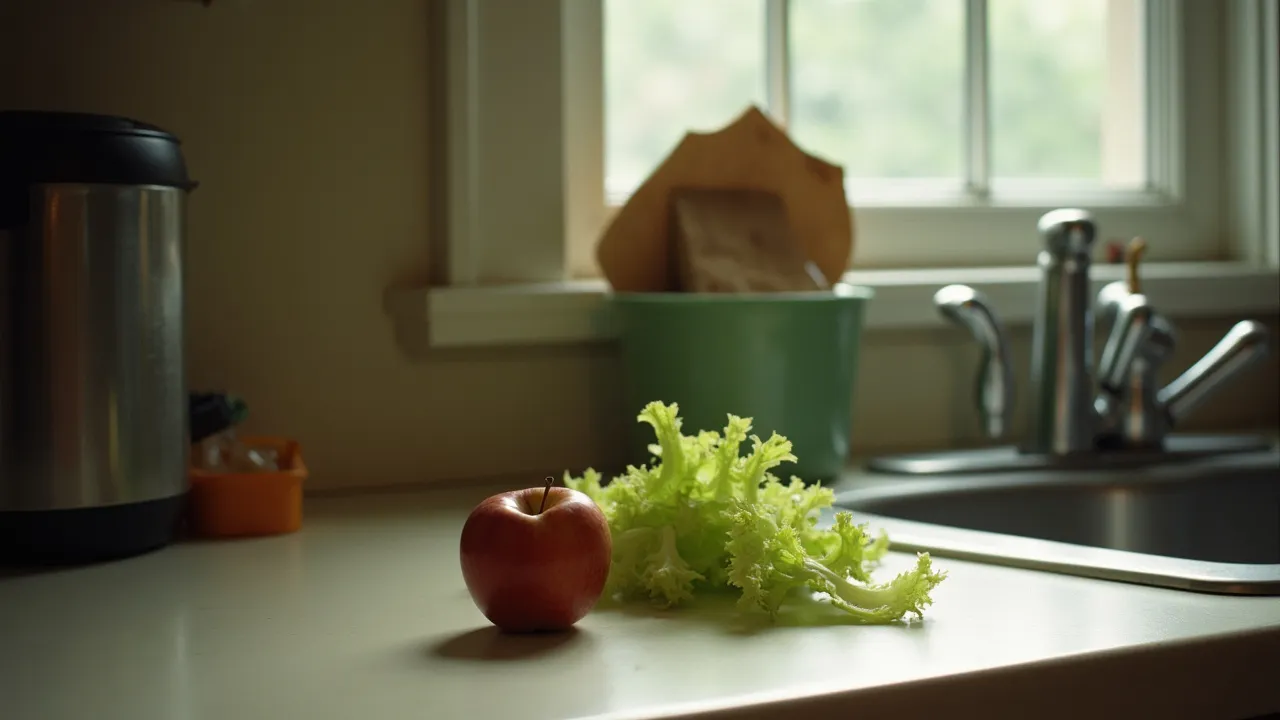
Stop Food Waste Day, observed on April 24th, is a global initiative to raise awareness about food waste and promote sustainable practices to reduce waste at home, in businesses, and across the supply chain.
The Historical Origins & Evolutionary Journey
Stop Food Waste Day was established in 2017 by Compass Group, a global foodservice company, as part of its broader sustainability strategy. The day aims to spotlight the staggering amount of edible food discarded annually and to catalyze action at all levels of society.
The Foundational Catalyst
Food waste has been a concern for decades, but the issue gained significant international attention with the 2011 FAO report which estimated that roughly one-third of all food produced for human consumption is lost or wasted. This spurred numerous campaigns and policy discussions. Compass Group, recognizing the scale of waste in its own operations and the industry, launched Stop Food Waste Day to unite consumers, businesses, and governments in a concerted effort to reduce waste.
The Legislative/Official Adoption
While the day is not an official public holiday, it has been endorsed and promoted by various environmental organizations, schools, and corporations. In some regions, local governments have partnered with Compass Group to host events and educational programs. The United Nations' Sustainable Development Goal 12.3, which aims to halve global food waste by 2030, provides a policy framework that aligns with the day's mission.
Modern Global Legacy
Since its inception, Stop Food Waste Day has grown to include participation from over 40 countries. Events range from corporate waste audits to school workshops on composting. Social media campaigns using the hashtag #StopFoodWasteDay have reached millions, turning the day into a powerful educational tool.
How to Celebrate Stop Food Waste Day
Individuals, communities, and organizations can observe the day through practical actions and educational activities. Below are specific strategies tailored to different audiences.
For Individuals at Home
- Plan meals weekly: Create a shopping list based on planned meals to avoid impulse buys.
- Store food properly: Use airtight containers, keep fruits and vegetables separated, and understand shelf lives.
- Use leftovers creatively: Turn extra veggies into soups, stale bread into croutons, etc.
- Compost scraps: Start a compost bin for vegetable peels, coffee grounds, and eggshells.
For Schools
- Host a 'waste-less' lunch day: Challenge students to bring waste-free lunches.
- Conduct a food waste audit: Weigh cafeteria leftovers and discuss findings.
- Start a school garden: Teach children where food comes from and reduce waste.
For Businesses and Organizations
- Donate surplus food: Partner with local food banks or apps like Olio.
- Implement inventory management: Use software to track expiration dates and reduce overordering.
- Educate staff: Run training sessions on reducing waste in food preparation.
Global Traditions
In the United Kingdom, many supermarkets run 'wonky veg' promotions to sell imperfect produce. In Japan, the 'Mottainai' concept encourages minimal waste, and schools often teach food gratitude. France banned supermarkets from throwing away unsold food, mandating donation instead. These diverse practices show that cultural context shapes how the day is observed.
The Global Impact of Food Waste
Food waste has severe environmental, economic, and social repercussions. Understanding these impacts underscores the urgency of the day.
Environmental Toll
When food rots in landfills, it produces methane, a greenhouse gas 25 times more potent than CO2. Food waste accounts for approximately 8% of global greenhouse gas emissions. Additionally, vast amounts of water, land, and energy used to produce uneaten food are wasted. For example, the water used to produce food that is wasted equals the annual flow of Russia's Volga River.
Economic Costs
Globally, food waste costs an estimated $1 trillion annually. Households bear significant losses, but businesses also suffer from inefficient supply chains. Reducing waste can improve profitability and lower food prices.
Social Implications
While millions go hungry, edible food is discarded. In developed countries, consumers waste 40% of food at the retail and household levels. Redirecting even a fraction of this waste could feed millions. The day highlights the paradox of food waste in a world with food insecurity.
Corporate and Global Initiatives
Numerous corporations and international bodies have launched programs to combat food waste. These initiatives complement the grassroots efforts of Stop Food Waste Day.
Corporate Leaders
- Compass Group: Runs 'Stop Food Waste Day' and has set targets to reduce its own waste by 50% by 2030.
- Walmart: Implements advanced inventory systems and donates surplus food.
- Tesco: Partners with charities to redistribute food and has eliminated best-before dates on many produce items.
International Frameworks
The UN Sustainable Development Goal 12.3 aims to halve per capita global food waste at retail and consumer levels and reduce food losses along supply chains by 2030. The EU Platform on Food Losses and Food Waste facilitates knowledge sharing among member states. These frameworks provide a roadmap for national policies.
Nonprofit and NGO Efforts
Organizations like Feedback in the UK and ReFED in the US conduct research and advocacy. The Food Recovery Network engages college students to recover surplus dining hall food and donate it to shelters.
Environmental and Social Dimensions
Food waste intersects with climate change, biodiversity loss, and social justice. A holistic view reveals why prevention is critical.
Climate Change Connection
Reducing food waste is one of the most effective ways to lower an individual's carbon footprint. If food waste were a country, it would be the third-largest emitter of greenhouse gases after China and the US. Methane from landfills is a key contributor.
Biodiversity and Land Use
Clearing forests and natural habitats to grow food that is wasted accelerates biodiversity loss. Approximately 1.4 billion hectares of land (28% of the world's agricultural area) is used to produce food that is lost or wasted.
Social Justice and Food Equity
Food waste exacerbates inequality. In many cities, low-income neighborhoods lack access to fresh, affordable produce while supermarkets discard edible items. Food recovery programs can bridge this gap and improve public health.
Future Directions and Technological Innovations
Advances in technology and policy are shaping the future of food waste reduction. The day serves as a platform to showcase these innovations.
Smart Packaging and IoT
Smart labels that change color when food spoils can help consumers make better decisions. Internet of Things (IoT) sensors in supply chains monitor temperature and humidity to predict spoilage.
Biotechnology
New preservation methods, such as edible coatings from plant extracts, extend shelf life. Fermentation and upcycling convert waste into new products like snack bars from spent grain.
Policy Trends
Countries like South Korea have implemented mandatory food waste recycling with fees per kilogram, achieving high diversion rates. The European Union is considering binding targets for member states. These policies provide models for global adoption.
Historical Timeline
FAO releases report 'Global Food Losses and Food Waste', estimating one-third of food produced is lost or wasted, sparking global attention.
United Nations adopts Sustainable Development Goal 12.3, aiming to halve per capita food waste at retail and consumer levels by 2030.
Compass Group launches the first Stop Food Waste Day on April 24th, reaching millions through corporate and community events.
EU Platform on Food Losses and Food Waste established to support collective action across member states.
COVID-19 pandemic highlights food supply chain vulnerabilities, leading to increased home composting and local food sourcing.
UN Food Systems Summit includes food waste reduction as a key pillar, with commitments from over 150 countries.
Stop Food Waste Day expands to include virtual events and partnerships with food apps like Too Good To Go and Olio, reaching over 40 countries.