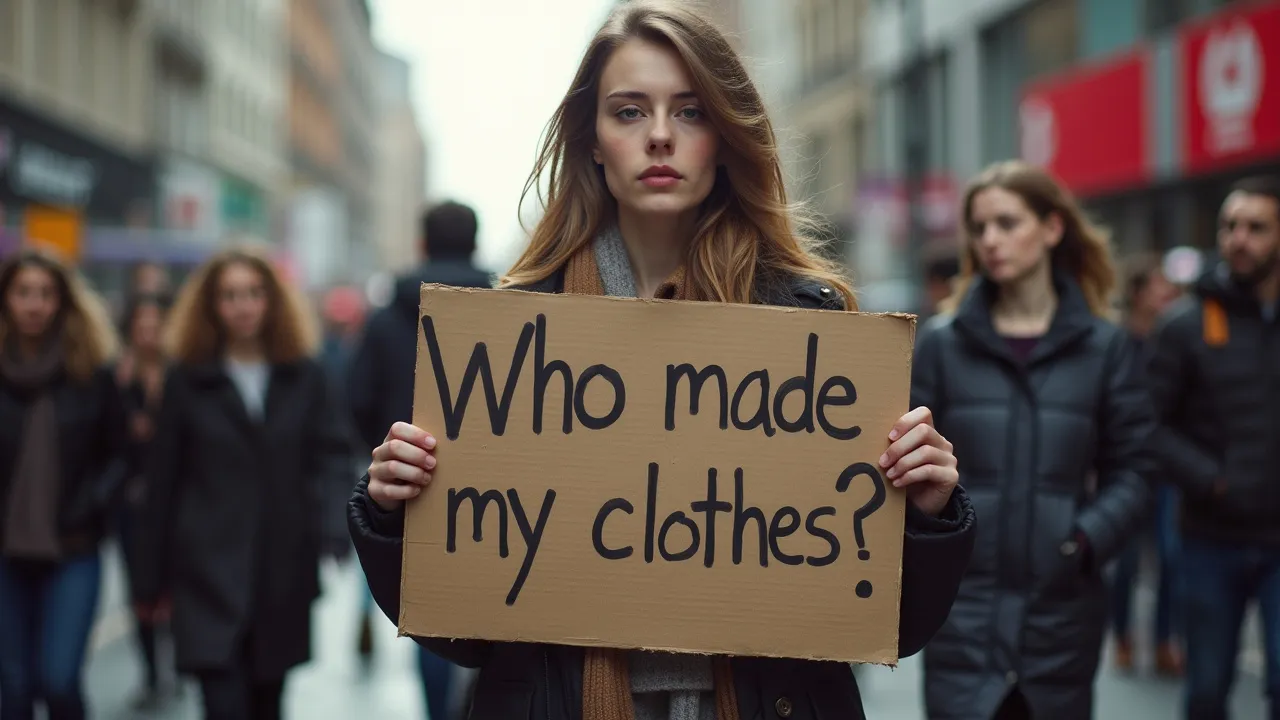
Fashion Revolution Day, observed on April 24th, commemorates the 2013 Rana Plaza collapse and demands greater transparency, sustainability, and ethics in the global fashion industry. Join millions in asking #WhoMadeMyClothes.
The Historical Origins & Evolutionary Journey
Fashion Revolution Day was established in the wake of one of the deadliest industrial disasters in history: the Rana Plaza building collapse in Bangladesh on April 24, 2013. The tragedy killed 1,134 garment workers and injured over 2,500, exposing the devastating human cost of fast fashion. In response, a global coalition of activists, designers, and organizations founded the Fashion Revolution movement to demand systemic change.
The Foundational Catalyst
On April 24, 2013, the eight-story Rana Plaza complex—housing five garment factories—collapsed due to structural failures and ignored safety warnings. Workers were forced to return to the building despite visible cracks. The disaster sparked worldwide outrage and highlighted the lack of accountability in fashion supply chains. Survivors and families of victims received little compensation, and many brands refused to take responsibility.
The Legislative/Official Adoption
In 2014, the first Fashion Revolution Day was observed on the anniversary of the collapse, with the simple yet powerful question: 'Who made my clothes?' The movement quickly grew into a week-long campaign (Fashion Revolution Week) recognized globally. Key milestones include the launch of the Fashion Revolution Transparency Index in 2016, which ranks major brands on their disclosure of supply chain policies and practices.
Modern Global Legacy
Today, Fashion Revolution Day is observed in over 100 countries. It has inspired legislative reforms such as the UK Modern Slavery Act and the German Supply Chain Due Diligence Act. The movement continues to push for a fashion industry that values people, planet, and profit equally. Annual themes include Money, Fashion, Power and Rights, Relationships, Revolution.
How to Celebrate Fashion Revolution Day
Fashion Revolution Day on April 24th is a day for action, education, and advocacy. Below are key strategies for individuals, schools, and organizations to participate meaningfully.
For Individuals
- Ask #WhoMadeMyClothes: Use social media to tag brands and demand supply chain transparency. Upload photos of clothing labels and ask the brand to reveal factory details.
- Host a Clothing Swap: Organize an exchange event with friends or in your community to promote circular fashion and reduce waste.
- Educate Yourself: Watch documentaries like The True Cost and read reports from the Fashion Revolution Transparency Index to understand the issues.
- Repair and Upcycle: Mend old garments or transform them into new pieces instead of buying new.
For Schools and Universities
- Curriculum Integration: Hold workshops on ethical fashion, supply chains, and sustainable design.
- Fashion Show with a Message: Organize a runway event featuring pre-loved or ethically made clothing with informative commentary.
- Letter-Writing Campaign: Have students write to brands and policymakers demanding fair wages and safer factories.
For Organizations and Brands
- Publish Transparency Reports: Disclose your supply chain and commit to improving labor conditions.
- Support Worker Rights: Partner with initiatives like the Clean Clothes Campaign and sign the Bangladesh Accord on Fire and Building Safety.
- Run Awareness Campaigns: Use your platforms to educate customers and share stories of garment workers.
Regional celebrations vary: in the UK, fashion activism includes rallies and parliamentary briefings; in India, it often focuses on artisan heritage and fair trade; in the US, campus events and brand scorecard releases are common. Regardless of location, the core goal remains: reconnecting the people who make our clothes with the people who wear them.
The Global Impact of Fashion Revolution Day
Fashion Revolution Day has catalyzed a global shift in consumer awareness and industry accountability. Its impact can be measured across several dimensions:
Consumer Behavior Change
Surveys show that over 70% of consumers in developed markets now consider sustainability when purchasing clothing, up from 40% before 2014. The #WhoMadeMyClothes hashtag has been used over 10 million times, forcing brands to respond publicly.
Policy and Regulation
The movement has directly influenced laws requiring corporate due diligence on human rights and environmental issues. For example, the German Supply Chain Act (2021) mandates that companies monitor their suppliers for labor abuses. France's Duty of Vigilance Law similarly holds parent companies liable for subcontractor violations.
Industry Benchmarks
The Fashion Revolution Transparency Index now ranks 250 of the world's largest fashion brands annually. Average transparency scores have increased from 11% in 2016 to 24% in 2023, though progress remains slow. Brands like Patagonia and Levi's consistently score highly, while many fast-fashion giants lag.
Worker Empowerment
Garment worker unions and NGOs have gained leverage through increased public scrutiny. The Rana Plaza Trust Fund, despite initial underfunding, has compensated over 5,000 victims. Unions in Bangladesh report that safety inspections have become more frequent since 2013.
Core Themes: Transparency, Sustainability, and Ethics
Fashion Revolution Day is anchored in three interconnected principles that form the foundation of responsible fashion.
Transparency
Brands are urged to publicly disclose their supply chains, including factory names, locations, and labor practices. The Fashion Revolution Transparency Index evaluates brands on their disclosure of policies, audits, and remediation. Transparency is the first step toward accountability; without it, consumers cannot make informed choices.
Sustainability
The fashion industry is responsible for 10% of global carbon emissions and is the second-largest consumer of water. Sustainable practices include using organic or recycled materials, reducing water and energy use, and designing for durability and recyclability. Fashion Revolution Day promotes a shift from fast fashion to slow, circular systems.
Ethics
Ethical fashion prioritizes fair wages, safe working conditions, and respect for workers' rights. The movement calls for an end to forced labor, child labor, and gender-based violence in supply chains. Key demands include payment of living wages and the right to unionize. Ethical fashion also encompasses animal welfare, advocating for alternatives to fur, leather, and exotic skins.
Industry Transformation and Policy Changes
Fashion Revolution Day has spurred tangible changes in how the fashion industry operates, though much work remains.
Supply Chain Reforms
Post-Rana Plaza, the Bangladesh Accord on Fire and Building Safety was signed by over 200 brands, leading to safety inspections and improvements in hundreds of factories. However, the Accord's expiration and transition to a national ombudsman have raised concerns about enforcement.
Technological Innovations
Blockchain technology is being piloted to trace materials from source to store, ensuring authenticity and ethical sourcing. Examples include the Loomia project and Everledger for diamonds. Digital product passports are gaining traction in the EU.
Legislative Progress
Beyond national laws, the EU is considering a Corporate Sustainability Due Diligence Directive that would require all large companies operating in the EU to identify and address human rights and environmental risks in their supply chains. In the US, the Fashion Act introduced in New York aims to mandate similar disclosures.
Challenges Ahead
Despite progress, most brands still do not pay living wages, and overproduction continues. The rise of ultra-fast fashion (e.g., Shein) has increased pressure on the system. Fashion Revolution Day remains a critical annual moment for activists to push for faster, deeper change.
How Brands and Retailers Can Participate
Fashion Revolution Day offers brands and retailers an opportunity to demonstrate commitment to ethical practices. Here are actionable steps:
- Publish a Transparency Report: Use the Fashion Revolution Transparency Index template to disclose suppliers, policies, and progress.
- Host a Dialogue Event: Invite stakeholders, including workers, NGOs, and customers, to discuss challenges and solutions.
- Launch a Sustainable Collection: Introduce a line that uses recycled or organic materials, and ensure fair labor throughout its production.
- Support Worker Welfare: Contribute to remediation funds for past disasters and invest in training and empowerment programs.
- Engage Customers: Offer store credit for returned old clothes, or provide repair services to extend product life.
Brands that embrace transparency and sustainability can build trust and loyalty. Initiatives like Patagonia's Worn Wear and Levi's Water
Historical Timeline
On April 24, the Rana Plaza building collapse in Bangladesh kills 1,134 garment workers and injures over 2,500, exposing dangerous conditions in fast fashion supply chains.
First Fashion Revolution Day is observed on April 24, with the #WhoMadeMyClothes campaign encouraging consumers to ask brands about their supply chains.
Fashion Revolution launches the Transparency Index, initially rating 40 brands on their disclosure of supply chain policies and practices.
Fashion Revolution Week expands to include events in over 100 countries, featuring fashion shows, workshops, and brand scorecard releases.
The COVID-19 pandemic highlights supply chain vulnerabilities: brands cancel orders without paying workers. Fashion Revolution campaigns for 'no order cancellations without compensation'.
The German Supply Chain Due Diligence Act is passed, requiring companies to monitor human rights and environmental risks in their supply chains.
Fashion Revolution Day marks 10 years since Rana Plaza; the Transparency Index now rates 250 brands, but average scores remain below 25%.
Fashion Revolution Week focuses on the theme 'How to Be a Fashion Revolutionary', emphasizing individual and collective action for systemic change.