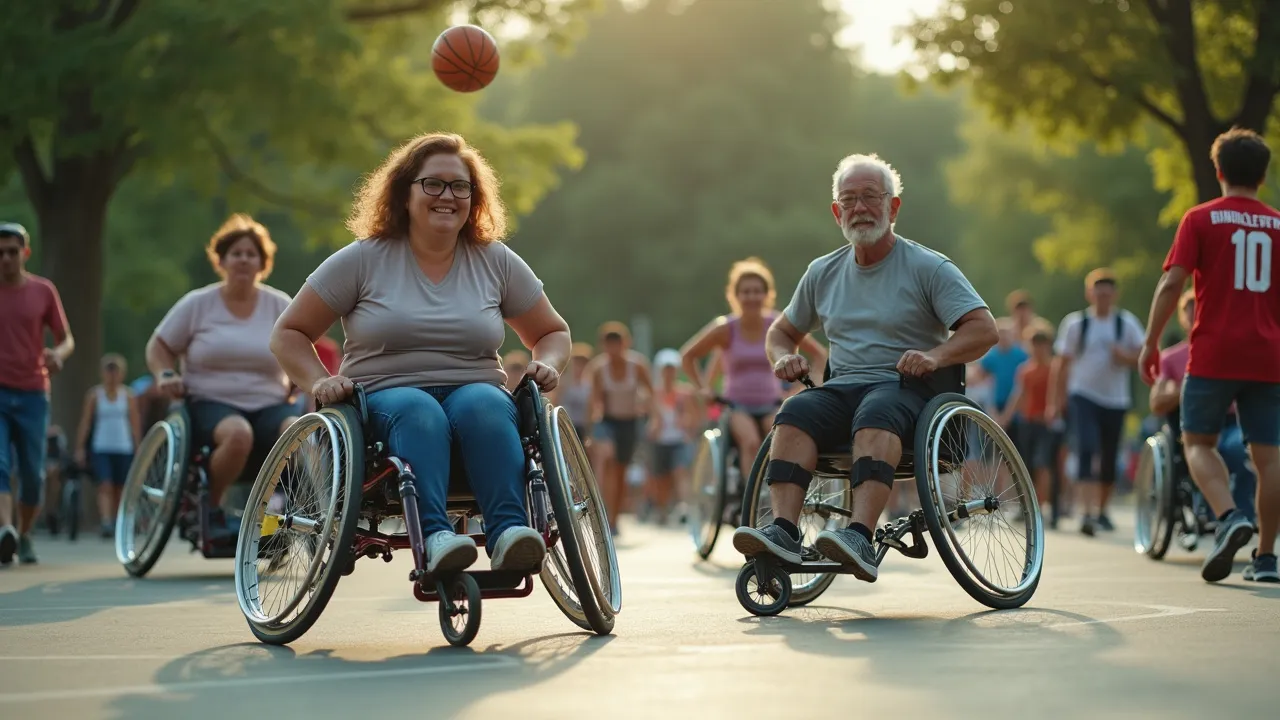
Special Recreation for the Disabled Day, observed on July 2nd, promotes inclusive leisure activities for individuals with disabilities. It raises awareness about the importance of accessible recreation and celebrates the achievements of adaptive sports and community programs.
The Historical Origins & Evolutionary Journey
Special Recreation for the Disabled Day, observed annually on July 2nd, traces its roots to the growing disability rights movement of the mid-20th century. The day was established to highlight the necessity of accessible recreational opportunities and to celebrate the strides made in adaptive sports and inclusive community programming.
The Foundational Catalyst
The movement gained momentum after World War II, when returning veterans with disabilities sought ways to remain active. Early programs like wheelchair basketball and sit-skiing emerged, laying the groundwork for organized disability recreation. In 1975, the United Nations Declaration on the Rights of Disabled Persons emphasized the right to full participation in cultural and recreational activities, which spurred national initiatives.
Legislative & Official Adoption
In 1985, the National Recreation and Park Association (NRPA) officially designated July 2nd as Special Recreation for the Disabled Day. This action was supported by the Americans with Disabilities Act (ADA) of 1990, which mandated equal access to public facilities, including parks and recreation centers. The day quickly became a platform for advocacy organizations like the American Association for Physical Activity and Recreation to promote inclusive design.
Modern Global Legacy
Today, the observance has spread beyond the United States, with countries such as Canada, Australia, and the United Kingdom adopting similar dates. The global emphasis has shifted from mere access to true inclusion, with Universal Design principles guiding new recreation facilities. The day now serves as a reminder of ongoing challenges, such as funding gaps and attitudinal barriers, while celebrating successes like the Paralympic Games.
How to Celebrate Special Recreation for the Disabled Day
Participation can take many forms, from personal outings to large community events. Below are actionable steps for individuals, schools, and organizations to make the day meaningful.
For Individuals
- Try an adaptive activity: Explore wheelchair tennis, handcycling, or aquatic therapy at a local facility.
- Volunteer: Offer time at a special recreation program — assist with coaching, equipment maintenance, or event setup.
- Educate yourself: Watch documentaries or read about athletes with disabilities to deepen understanding.
For Schools & Educational Institutions
- Host an inclusive sports day: Organize games like blind soccer, seated volleyball, or beep baseball where all students participate.
- Invite speakers: Bring in disability advocates or adaptive athletes to share their experiences.
- Launch a fundraiser: Raise money for accessible playground equipment or scholarship programs for adaptive sports.
For Organizations & Companies
- Audit facilities: Ensure your premises meet ADA standards — ramps, wide doorways, accessible restrooms.
- Create inclusive programming: Offer classes like adaptive yoga, wheelchair Zumba, or sign language nature hikes.
- Promote the day: Use social media campaigns with hashtags like #InclusiveRec #RecreationForAll to spread awareness.
In different regions, traditions vary. In Japan, many municipalities organize “barrier-free” picnics. In Sweden, outdoor adventure centers provide guided handcycling trails. In Brazil, samba schools host inclusive dance workshops. The essence is the same: recreation is a human right.
Global Impact & Cultural Significance
Special Recreation for the Disabled Day has ripple effects far beyond individual enjoyment. It influences urban planning, tourism, and social attitudes. Cities that invest in accessible parks and recreation see increased community cohesion and economic benefits. For example, the transformation of New York City’s Central Park to include adaptive rowing docks and accessible carousel rides has become a model worldwide.
Economic Empowerment
The adaptive recreation industry is a growing market, generating jobs in equipment design, coaching, and facility management. Brands like Nike and REI have launched inclusive product lines, recognizing both the ethical and commercial value. Small businesses that cater to inclusive tourism, such as wheelchair-accessible kayak rentals, thrive in areas with a strong accessibility ethos.
Social Inclusion
When people with disabilities participate in community recreation, stigma breaks down. Shared experiences on the basketball court or hiking trail foster friendships and mutual respect. Studies show that inclusive recreation reduces social isolation and improves mental health outcomes for all participants.
Legislative Milestones & Policy Framework
Several key laws have shaped the landscape of disability recreation.
- 1975: United Nations Declaration on the Rights of Disabled Persons — Article 8 affirms the right to recreation.
- 1990: Americans with Disabilities Act (ADA) — Title II requires public entities to provide equal access to recreation services.
- 1995: Disability Discrimination Act (UK) — Extended similar protections in Britain.
- 2006: UN Convention on the Rights of Persons with Disabilities (CRPD) — Article 30 mandates participation in cultural life, recreation, and sport.
These legal frameworks obligate governments and institutions to remove barriers. Yet enforcement remains uneven; many rural areas lack accessible trails or adaptive equipment. Advocacy on Special Recreation for the Disabled Day often highlights these gaps.
Community Involvement & Grassroots Movements
Local communities drive the day’s spirit. Grassroots organizations like the Disabled Sports USA and the Adaptive Sports Center host free clinics and workshops. Families often organize neighborhood events such as inclusive playground meetups. A growing trend is the “Accessibility Walk,” where able-bodied participants navigate a course while simulating disabilities (e.g., using a wheelchair or blindfold) to build empathy.
Corporate sponsorship has also increased. Companies like The Home Depot fund playground renovations, and Microsoft develops inclusive gaming controllers that can be used in recreational settings. These partnerships amplify the day’s message.
Future Directions & Technological Innovations
Looking ahead, technology promises to revolutionize inclusive recreation. Virtual reality (VR) now allows individuals with severe mobility impairments to experience hiking, skiing, or scuba diving from home. Exoskeletons enable some wheelchair users to stand and walk during hobbies like photography or gardening. The rise of 3D printing has made custom adaptive equipment affordable, from specialized bike handles to fishing rod supports.
However, challenges persist: the digital divide means not all can access these innovations. Special Recreation for the Disabled Day advocates for equitable distribution of technology and training. The ultimate goal is a world where recreation is truly universal — where no one is left on the sidelines.
Historical Timeline
The United Nations adopts the Declaration on the Rights of Disabled Persons, explicitly including the right to participate in recreational activities.
The National Recreation and Park Association (NRPA) establishes July 2nd as Special Recreation for the Disabled Day.
President George H.W. Bush signs the Americans with Disabilities Act (ADA), mandating equal access to public facilities including parks and recreation centers.
The United Kingdom enacts the Disability Discrimination Act, strengthening recreation rights for disabled individuals.
The International Day of Persons with Disabilities (December 3) is added to the UN calendar, complementing Special Recreation for the Disabled Day.
The UN Convention on the Rights of Persons with Disabilities (CRPD) is adopted, with Article 30 focusing on recreation and sport.
London Paralympic Games showcase cutting-edge adaptive sports technology, boosting global interest in inclusive recreation.
COVID-19 pandemic shifts many recreation programs online, leading to virtual adaptive fitness classes and remote community engagement.