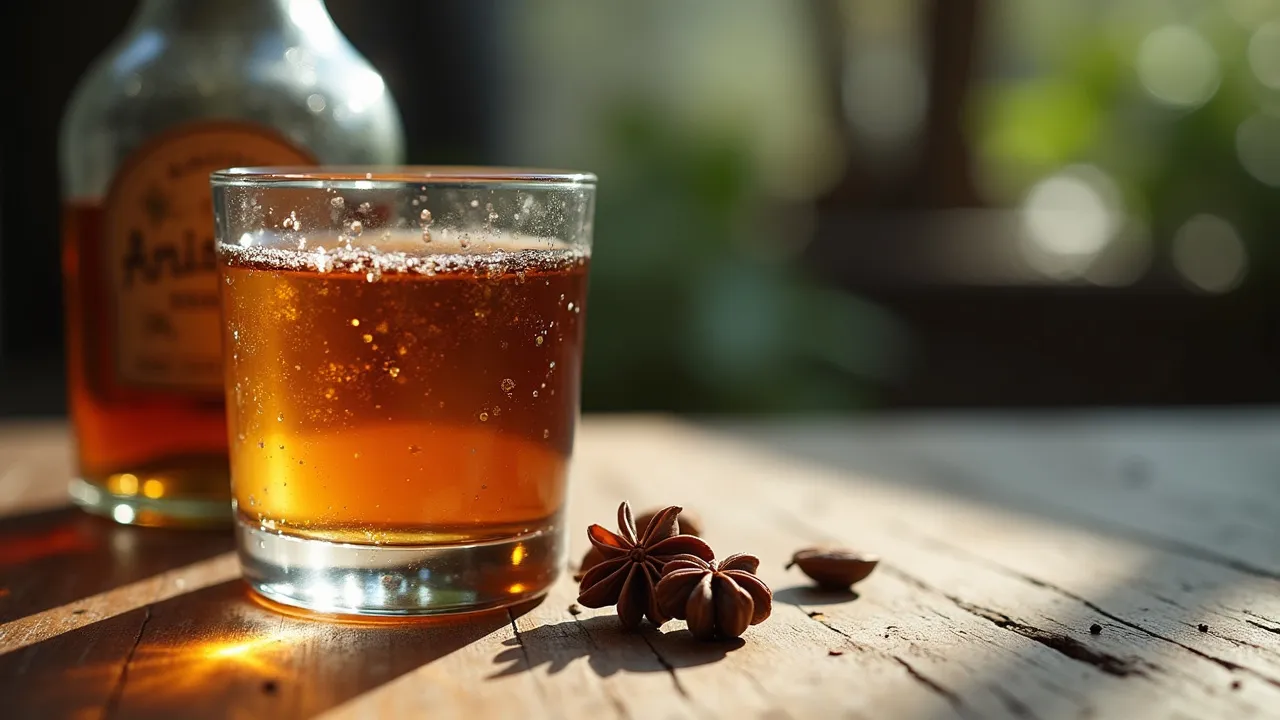
National Anisette Day, observed on July 2nd, celebrates the anise-flavored liqueur beloved in Mediterranean cultures. Learn its history, how to enjoy it, and global traditions.
The Historical Origins & Evolutionary Journey
National Anisette Day, observed annually on July 2nd, honors anisette, a sweet anise-flavored liqueur that has been cherished for centuries. The exact origins of the day are unclear, but it likely emerged in the early 2000s as part of a broader trend of celebrating food and drink holidays in the United States. The day has since gained international recognition, with enthusiasts worldwide toasting to this aromatic spirit.
The Foundational Catalyst
Anisette traces its roots to the Mediterranean, where aniseed has been used since ancient times. The liqueur itself was perfected in France and Italy during the 18th and 19th centuries. Key developments include:
- Ancient Greece and Rome: Aniseed was used for medicinal and culinary purposes.
- 18th Century France: Distillers in Provence began producing anisette by macerating aniseed in alcohol and adding sugar.
- 19th Century Italy: Italian producers, such as those in Sicily, created their own versions, often using star anise.
The Legislative/Official Adoption
Unlike some official observances, National Anisette Day has no single recorded founder or legislative act. It is believed to have been popularized by cocktail enthusiasts and the spirits industry, with early mentions appearing on food holiday calendars in the 2000s. Its adoption is a testament to the grassroots power of digital communities.
Modern Global Legacy
Today, anisette is enjoyed worldwide, either neat, over ice, or as a key ingredient in classic cocktails like the Anisette Sour and Tropical Anisette. The day has become a celebration of both the liqueur and the cultural heritage of anise-based spirits.
How to Celebrate National Anisette Day
Celebrating National Anisette Day is all about enjoying the liqueur in various ways. Here is a definitive global guide:
Individual Celebrations
- Sip it neat: Serve chilled anisette in a small glass to appreciate its sweet, licorice-like flavor.
- Mix classic cocktails: Try an Anisette Sour (anisette, lemon juice, sugar, egg white) or Anisette Royale (anisette, champagne).
- Cooking with anisette: Add a splash to desserts like biscotti, crème brûlée, or fruit salads.
School and Community Events
- Tastings: Organize a small tasting event with different brands (e.g., Marie Brizard, Pernod).
- Mixology workshops: Teach participants how to make simple anisette cocktails.
- Cultural nights: Pair anisette with Mediterranean cuisine, such as Greek or Provencal dishes.
Corporate and Social Rituals
- Spirit company promotions: Offer discounts or limited-edition anisette bottles.
- Virtual toast: Host a Zoom happy hour where colleagues share their favorite anisette recipes.
Regional Variations
In France, anisette (often called pastis) is typically diluted with water and ice. In Italy, it's enjoyed as a digestif. In Greece, ouzo (a similar liqueur) dominates, but anisette is also loved. On July 2nd, enthusiasts worldwide adapt traditions to local tastes.
Global Impact and Cultural Significance
Anisette is more than a drink; it's a cultural touchstone in many Mediterranean countries. The liqueur's production supports local economies, especially in regions where aniseed is grown. Key cultural roles include:
- Social lubricant: In France, pastis is a staple of café culture, often consumed during leisurely afternoons.
- Digestif tradition: In Italy, anisette is served after meals to aid digestion.
- Religious and festive uses: In some cultures, anisette is used in religious ceremonies or during festivals like Carnival.
The day also highlights the importance of artisanal spirits in preserving culinary heritage.
The Production Process: From Aniseed to Liqueur
Understanding how anisette is made deepens appreciation for the spirit. The process involves several key steps:
Key Ingredients
- Aniseed: The primary flavoring, often from green anise (Pimpinella anisum) or star anise (Illicium verum).
- Alcohol base: Neutral grain spirit or grape brandy.
- Sugar: Added for sweetness.
Production Steps
- Maceration: Aniseed is steeped in alcohol for several days to extract flavors.
- Distillation: The mixture is distilled to concentrate the aromatic oils.
- Sweetening: Sugar syrup is added to achieve desired sweetness.
- Aging (optional): Some anisettes are aged in oak barrels for complexity.
High-quality anisettes use natural anethole (the essential oil) and avoid artificial flavors. Notable brands include Marie Brizard (France) and Anisetta Vaccari (Italy).
Classic Anisette Cocktails You Must Try
National Anisette Day is the perfect occasion to explore cocktails. Here are three must-try recipes:
Anisette Sour
- 2 oz anisette
- 1 oz fresh lemon juice
- 0.5 oz simple syrup
- 1 egg white (optional)
- Shake with ice, strain into a coupe glass.
Anisette Royale
- 1 oz anisette
- 3 oz chilled champagne
- 1 dash orange bitters
- Pour anisette into a flute, top with champagne and bitters.
Anisette Spritz
- 2 oz anisette
- 3 oz prosecco
- 1 oz soda water
- Served over ice with an orange slice.
These cocktails showcase the liqueur's versatility.
Health Considerations and Responsible Enjoyment
While anisette is a delightful indulgence, it's important to consume responsibly. Anisette typically has an alcohol content of 30-40% ABV. Key points:
- Calories: A 1.5 oz serving contains about 100 calories, mostly from sugar and alcohol.
- Moderation: Stick to standard drink sizes (1.5 oz) and avoid binge drinking.
- Allergies: Some individuals may be sensitive to anise or sulfites.
- Medicinal history: Aniseed has been used as a digestive aid, but anisette should not be used as a medicine.
Celebrate safely: always have a designated driver or use rideshare services.
Historical Timeline
Aniseed is cultivated and used in Mediterranean cultures for flavoring and medicine. The essential oil anethole is valued.
French distillers in Provence perfect anisette by macerating aniseed in alcohol and adding sugar. The liqueur gains popularity in France.
Marie Brizard, a French brand, is founded, becoming one of the most famous anisette producers.
Italian and Greek variations (such as ouzo) rise in popularity. Anisette becomes a staple in European café culture.
Prohibition in the United States leads to a surge in home distillation, and anisette-style liqueurs are produced illegally.
National Anisette Day emerges as a food holiday on American calendars, likely promoted by spirits enthusiasts and online communities.
Annual observance of National Anisette Day, celebrated with tastings, cocktails, and social media posts worldwide.