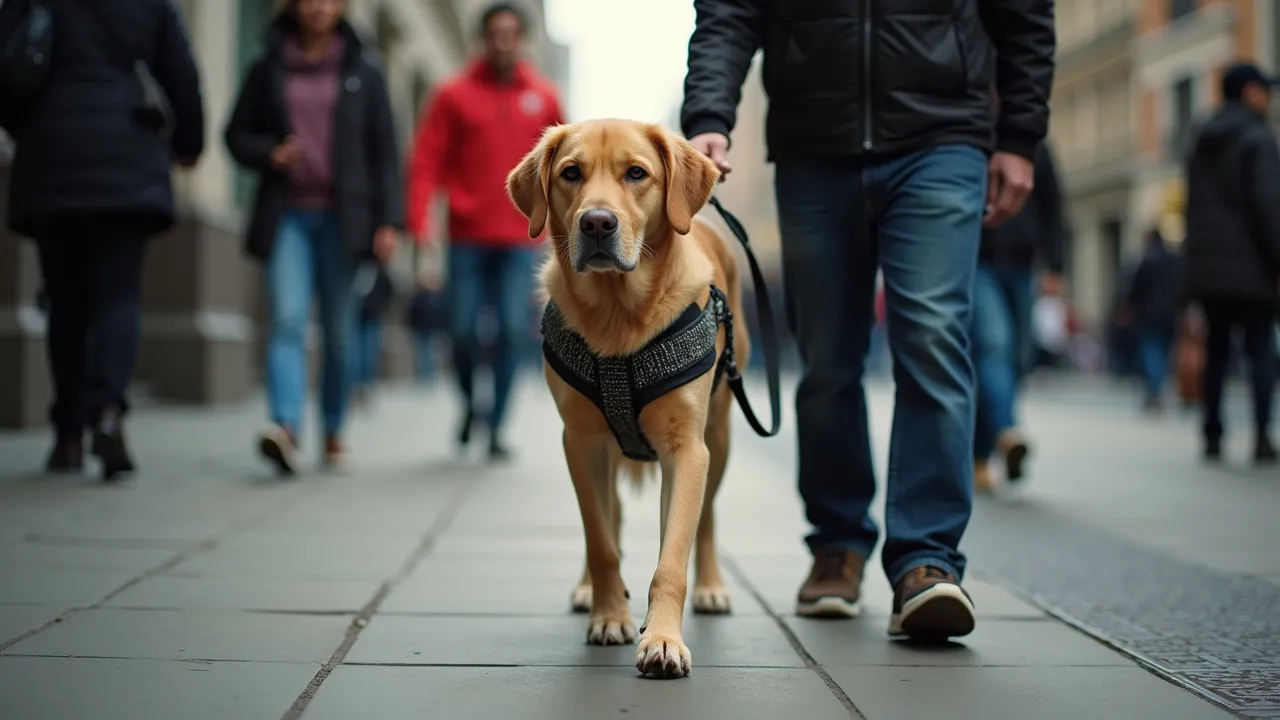
Celebrated on January 29th, the Seeing Eye Guide Dog Anniversary honors the founding of The Seeing Eye, the first guide dog school in the United States, and recognizes the life-changing partnership between guide dogs and people who are blind or visually impaired.
The Historical Origins and Evolutionary Journey of the Seeing Eye Guide Dog Anniversary
The Seeing Eye Guide Dog Anniversary, observed annually on January 29th, commemorates the founding of The Seeing Eye, the first guide dog school in the United States, established in 1929. This day celebrates the profound bond between guide dogs and their handlers, and honors the visionaries who pioneered the movement to empower individuals who are blind or visually impaired through the use of specially trained dogs.
The Foundational Catalyst
The concept of guide dogs dates back to ancient times, but the modern movement began in the aftermath of World War I. In 1916, Dr. Gerhard Stalling, a German physician, founded the world's first guide dog school in Oldenburg, Germany, to assist blinded veterans. However, it was the work of Dorothy Harrison Eustis, an American dog trainer living in Switzerland, that brought the idea to the United States. Eustis wrote an article titled "The Seeing Eye" published in The Saturday Evening Post in 1927, which inspired Morris Frank, a blind man from Nashville, Tennessee, to seek her help. Frank traveled to Switzerland, received a guide dog named Buddy, and upon returning to the U.S., he and Eustis co-founded The Seeing Eye in 1929 in Nashville, Tennessee.
The Legislative and Official Adoption
The early years were marked by legal battles for the right to access public spaces with guide dogs. In 1931, Morris Frank and Buddy successfully lobbied for a Tennessee law granting guide dogs access to public accommodations, a model that spread across the country. The official recognition of January 29th as the anniversary date aligns with the founding of The Seeing Eye. Over the decades, the day has been embraced by guide dog schools, advocacy organizations, and the blind community worldwide to raise awareness and celebrate achievements.
Modern Global Legacy
Today, The Seeing Eye has trained thousands of guide dogs and placed them with individuals across North America. The anniversary has expanded beyond the U.S. to include observances in countries such as the United Kingdom, Canada, and Australia, though regional dates may vary. The day serves as a platform to promote the ongoing need for guide dog accessibility, funding, and the remarkable stories of independence and companionship that guide dogs provide.
How to Celebrate the Seeing Eye Guide Dog Anniversary
Whether you are an individual, a school, or a corporation, there are many meaningful ways to participate in the Seeing Eye Guide Dog Anniversary. The goal is to honor the partnership between guide dogs and their handlers, support training organizations, and educate the public.
Personal Celebration Ideas
- Volunteer or Donate: Contribute to The Seeing Eye or other guide dog schools through monetary donations or by sponsoring a puppy in training.
- Share Stories: Use social media to share testimonials from guide dog handlers or personal experiences. Use hashtags like #GuideDogAnniversary or #SeeingEye.
- Attend Events: Many guide dog schools host open houses, virtual tours, or fundraising walks on or near January 29th. Check local listings.
School and Community Activities
- Educational Workshops: Invite a local guide dog trainer or handler to speak about the history and impact of guide dogs.
- Classroom Projects: Have students research the training process and create presentations or art projects celebrating guide dogs.
- Fundraising Drives: Organize a bake sale, car wash, or penny drive to raise funds for guide dog organizations.
Corporate and Organizational Engagement
Businesses can show support by offering matching gifts for employee donations, hosting a "Take Your Guide Dog to Work" day (with safety protocols), or providing financial sponsorship for a guide dog in training. Additionally, companies can review their accessibility policies to ensure they are welcoming to service animals.
The Transformative Impact of Guide Dogs on Human Lives
Guide dogs are more than working animals; they are lifelines to independence, safety, and confidence for individuals who are blind or visually impaired. Research has shown that guide dog users experience increased mobility, social interaction, and psychological well-being. The bond between a guide dog and its handler is built on trust and mutual respect, developed through intensive training at schools like The Seeing Eye. These dogs navigate obstacles, stop at curbs, find doors, and even ignore distractions to ensure their handler's safety. The anniversary highlights these transformative partnerships and advocates for continued support and expansion of guide dog programs worldwide.
The Intricate Training Process and Canine-Human Bonding
Training a guide dog is a meticulous process that takes up to two years. It typically involves three stages:
- Puppy Raising: Volunteer families raise puppies from about 8 weeks to 14 months, teaching basic obedience and socialization.
- Formal Training: The dog undergoes 4-6 months of in-depth training with professional instructors, learning to guide in various environments.
- Team Training: The dog is matched with a visually impaired handler, and they train together for 2-4 weeks to build teamwork.
Only about 50% of dogs that begin training succeed as guide dogs; those that do not often find careers as therapy dogs, search and rescue, or loving pets. The anniversary celebrates the dedication of trainers, puppy raisers, and the incredible work ethic of the dogs themselves.
Advocacy and Legislation: Ensuring Equal Access for Guide Dog Teams
Legal protections for guide dog handlers have been hard-won. The first law in the U.S. was passed in Tennessee in 1931, and today the Americans with Disabilities Act (ADA) grants full access to public places for guide dogs. However, challenges still exist, including discrimination, lack of awareness, and inadequate enforcement. The Seeing Eye Guide Dog Anniversary is an opportunity to educate the public about the legal rights of guide dog users and to advocate for stronger protections globally. Organizations such as the International Guide Dog Federation (IGDF) set standards for training and ethics, promoting best practices worldwide.
Global Reach and Regional Variations of the Observance
While the primary date for the Seeing Eye Guide Dog Anniversary is January 29th in the United States, other countries celebrate guide dog awareness on different days. For example, National Guide Dog Day in the United Kingdom is observed on the last Wednesday of April. Canada celebrates Guide Dog Day on the last Wednesday of April as well. In Australia, International Guide Dog Day falls on the last Wednesday of April. This section explains these regional variations and encourages global solidarity. Each country's celebration shares the core mission of honoring guide dogs and advocating for accessibility.
Historical Timeline
Dr. Gerhard Stalling opens the first guide dog school in Oldenburg, Germany, primarily to help blinded World War I veterans.
Dorothy Harrison Eustis publishes the article "The Seeing Eye" in The Saturday Evening Post, describing the guide dog movement in Switzerland.
Morris Frank, inspired by Eustis's article, travels to Switzerland and receives his first guide dog, a female German Shepherd named Buddy.
The Seeing Eye is founded in Nashville, Tennessee, by Dorothy Harrison Eustis and Morris Frank. It is the first guide dog school in the United States.
Tennessee passes the first law in the U.S. granting guide dogs access to public places, largely due to Morris Frank's advocacy with his guide dog Buddy.
The Seeing Eye opens its permanent training facility in Morristown, New Jersey, where it remains today.
The Americans with Disabilities Act (ADA) is signed into law, providing comprehensive civil rights protections for individuals with disabilities, including the right to use guide dogs in public accommodations.
The Seeing Eye celebrates its 90th anniversary, having trained over 17,000 guide dogs for people who are blind or visually impaired.