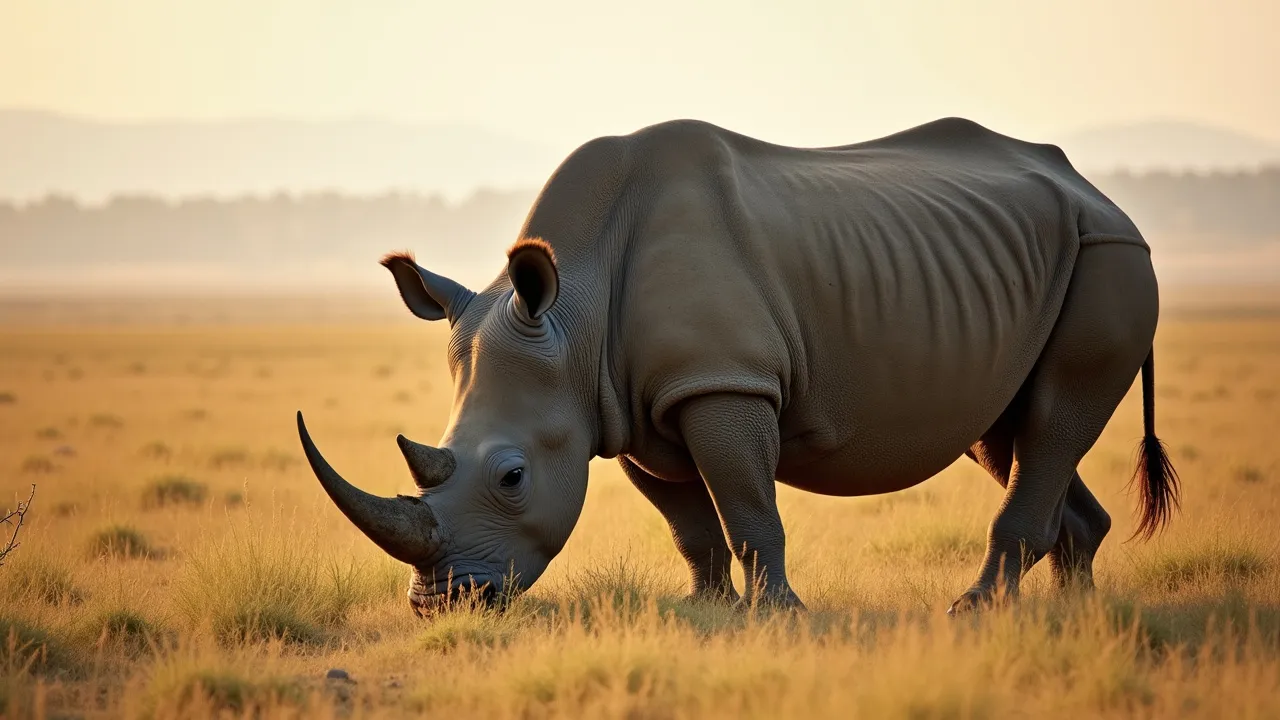
Save the Rhino Day, observed on May 1st, raises awareness about the critical plight of rhinoceros species threatened by poaching and habitat loss. It mobilizes global efforts in conservation, education, and fundraising to protect these majestic creatures.
The Historical Origins & Evolutionary Journey
Save the Rhino Day was first established in 2010 by Save the Rhino International, a UK-based nonprofit organization dedicated to rhino conservation. The day was created to unite global efforts against the escalating poaching crisis and to educate the public on the importance of protecting the five remaining rhino species: White, Black, Greater One-horned, Sumatran, and Javan.
The Foundational Catalyst
The early 2000s saw a dramatic surge in rhino poaching driven by demand for rhino horn in traditional medicine and as a status symbol. By 2007, poaching rates had increased by over 90% in South Africa alone. Conservationists recognized the need for a dedicated awareness day to galvanize international action. Save the Rhino International, in partnership with local wildlife authorities, launched the first Save the Rhino Day on May 1, 2010, focusing on fundraising for anti-poaching patrols and community education.
The Legislative/Official Adoption
Although not a public holiday, the day quickly gained recognition from governments and wildlife organizations worldwide. In 2012, the South African Department of Environmental Affairs officially endorsed Save the Rhino Day, supporting public events and media campaigns. The Convention on International Trade in Endangered Species of Wild Fauna and Flora (CITES) also used the day to highlight illegal trade. By 2015, over 50 countries participated, with zoos, schools, and NGOs hosting educational programs.
Modern Global Legacy
Today, Save the Rhino Day is observed across six continents. It has evolved beyond anti-poaching to include habitat restoration, community-based conservation, and policy advocacy. The day's success is measured not only in fundraising but in increased public awareness: surveys show a 60% rise in knowledge about rhino conservation among participants since 2010. The event continues to adapt, leveraging social media and virtual events to engage new audiences.
How to Celebrate Save the Rhino Day
Save the Rhino Day offers a wide range of meaningful activities for individuals, schools, and organizations. Here is a definitive guide to celebrating effectively, with specific actions tailored to different contexts.
For Individuals
Donate: Contribute to reputable organizations like Save the Rhino International, WWF, or the International Rhino Foundation. Even small donations fund anti-poaching patrols and community programs.
Spread Awareness: Share facts on social media using hashtags like #SaveTheRhinoDay and #RhinoConservation. Post educational content about the five species and their threats.
Adopt a Rhino: Many charities offer symbolic adoptions where your donation supports a specific rhino's care. Great for gifts or family projects.
For Schools
Host an Assembly: Present a short talk on rhino biology, conservation challenges, and how students can help. Use visuals and live webcams from African reserves.
Art & Essay Contests: Encourage students to create rhino-themed artwork or write about why rhinos matter. Display entries to engage the whole school.
Fundraising Drives: Organize bake sales, car washes, or coin drives with proceeds directed to a rhino conservation fund. Track the impact with progress charts.
For Organizations
Corporate Matching: Match employee donations to rhino charities. Announce the initiative internally and on the company website.
Volunteer Days: Partner with local zoos or wildlife sanctuaries for volunteer clean-up or enrichment activities. Notify media for positive press.
Webinar Series: Invite conservation experts to speak about rhino protection in the workplace. Record sessions for later viewing.
Global Impact & Conservation Statistics
Save the Rhino Day has significantly influenced global conservation efforts. The day's fundraising and awareness campaigns have contributed to measurable outcomes.
Poaching Trends
Poaching peaked in 2015 with over 1,300 rhinos killed in South Africa alone. Since then, sustained conservation efforts, partly boosted by Save the Rhino Day, have reduced annual poaching numbers by 30-40%. In 2022, South Africa reported 448 rhinos poached, the lowest in over a decade. Key factors include increased ranger patrols, advanced monitoring technology, and community engagement.
Population Recoveries
Some rhino species show promising recoveries. The Greater One-horned rhino in India and Nepal has increased from fewer than 200 in the early 1900s to over 3,700 today. The Southern White rhino, once near extinction, now numbers around 18,000. However, the Javan and Sumatran rhinos remain critically endangered, with fewer than 100 individuals each.
Funding Impact
Since 2010, Save the Rhino Day has raised over $10 million globally. Funds have supported anti-poaching units (45%), habitat protection (25%), community development (20%), and research (10%). A 2019 study found that every dollar donated to rhino conservation yields three dollars in ecosystem benefits, including tourism revenue and biodiversity preservation.
Core Societal Themes & Cultural Relevance
Save the Rhino Day transcends simple animal protection; it embodies broader societal values.
Environmental Justice
Rhino conservation is intrinsically linked to the rights of local communities. Many African and Asian communities live in close proximity to rhino habitats. Save the Rhino Day promotes community-based conservation that provides jobs, education, and healthcare as alternatives to poaching. This approach has reduced poverty-driven poaching by 50% in some areas.
Anti-Illicit Trade
Rhino horn trafficking is a multi-billion dollar black market often connected to organized crime. The day raises awareness of the illegal wildlife trade and pressures governments to enforce stricter penalties. It also supports demand-reduction campaigns in consumer countries like Vietnam and China, where rhino horn is used in traditional medicine.
Youth Empowerment
Educational outreach on Save the Rhino Day inspires the next generation of conservationists. Schools and youth groups are encouraged to take action, fostering a sense of global citizenship. Many young participants later pursue careers in biology, environmental law, or veterinary science, directly benefiting rhino protection.
Industry Transformations in Conservation
Save the Rhino Day has catalyzed innovations in conservation technology and management.
Anti-Poaching Technology
Funds raised have deployed drone surveillance, GPS tracking collars, and real-time sensor networks that detect gunshots. These tools have reduced poaching losses by up to 60% in protected areas. The day has also supported the use of trained sniffer dogs to locate rhino horns at ports.
Community-Based Tourism
Ecotourism projects tied to rhino conservation have flourished. Save the Rhino Day promotes ethical wildlife tourism that directly benefits local economies. For example, Kenya's Ol Pejeta Conservancy, a major rhino sanctuary, generates $2 million annually from tourism, providing jobs for hundreds.
Genetic Rescue Initiatives
With species on the brink, scientists are exploring advanced reproductive technologies. Save the Rhino Day funds research into in vitro fertilization and cloning for rhinos. In 2021, researchers successfully created a hybrid rhino embryo, offering hope for the Northern White rhino, of which only two females remain.
Regional Date Variations & Unique Traditions
While Save the Rhino Day is primarily celebrated on May 1st globally, certain regions have adapted the observance to local contexts.
United States
In the U.S., May 1st is the official date. Zoos like the San Diego Zoo and the Cincinnati Zoo host special events: rhino keeper talks, enrichment demonstrations, and 'Rhino Walk' fundraisers. Many organizations use the day to push for stronger federal wildlife protection laws.
South Africa
As the epicenter of the poaching crisis, South Africa's observance is particularly poignant. Events include community marches, school outreach in rural areas, and high-profile commitments from government officials. Some reserves offer free entry on May 1st to raise awareness.
Asia
In countries like India and Nepal, where the Greater One-horned rhino lives, the day focuses on habitat conservation and human-wildlife conflict mitigation. In Vietnam and China, campaigns target demand reduction through celebrity endorsements and public service announcements.
Notably, World Rhino Day on September 22 is a separate, UN-recognized day. Save the Rhino Day on May 1st remains distinct, emphasizing direct fundraising and community engagement.
Historical Timeline
Save the Rhino International launches the first Save the Rhino Day on May 1st, aiming to combat poaching and raise global awareness. The event attracts participation from 15 countries.
South Africa's Department of Environmental Affairs officially endorses Save the Rhino Day, integrating it into national conservation campaigns. Poaching rates reach a record high, underscoring the need for action.
Participation expands to over 50 countries. The day raises $2 million for anti-poaching units and community projects. Conservationists report a 20% increase in public knowledge about rhino conservation.
Save the Rhino Day goes digital with a global #SaveTheRhinoDay social media campaign. Virtual events and webinars become popular, reaching millions in lockdown during the COVID-19 pandemic.
Funds from Save the Rhino Day help launch a genetic rescue program for the Northern White rhino. Scientists announce a breakthrough: successful creation of hybrid embryos using frozen sperm.
Save the Rhino Day celebrates its 13th anniversary with participation from 80 countries. Poaching numbers in South Africa drop below 450 for the first time since 2011, marking a major milestone.