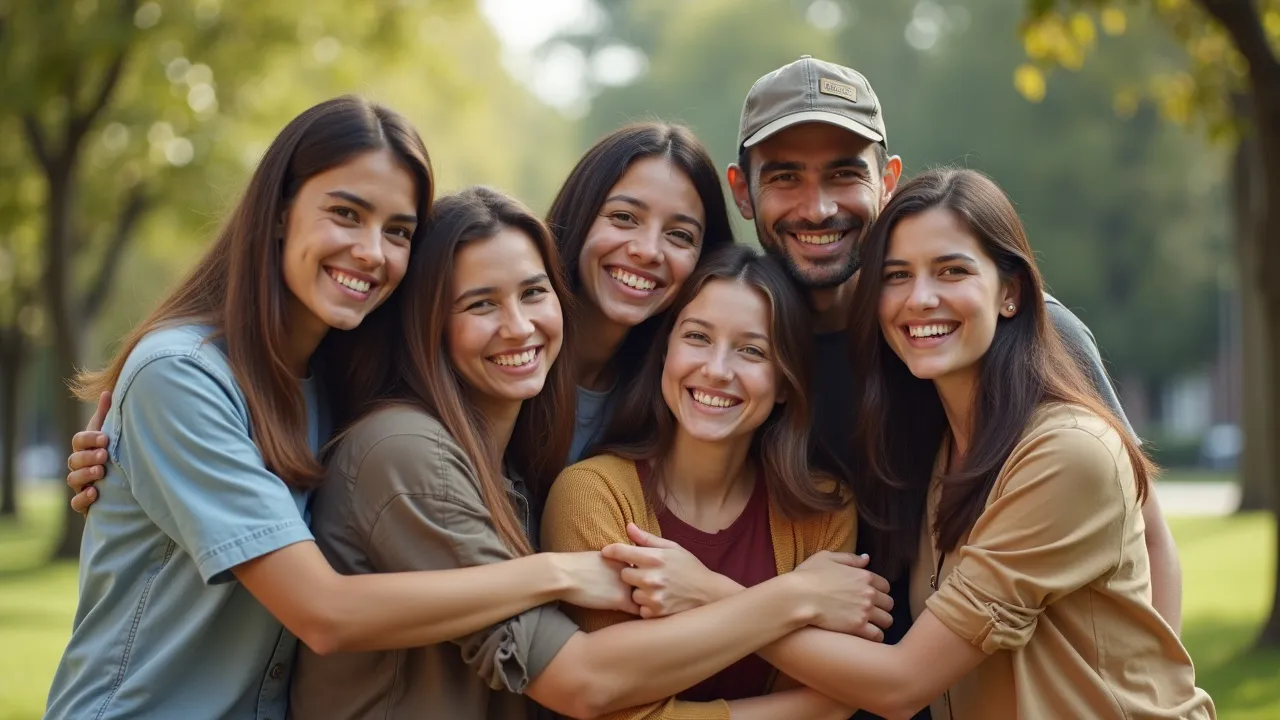
Global Love Day, observed on May 1st, celebrates unconditional love and compassion for all humanity. Founded by The Love Foundation in 2004, it encourages acts of kindness and personal reflection to foster global unity.
The Historical Origins & Evolutionary Journey
Global Love Day was founded by Harold W. Becker through The Love Foundation, a nonprofit organization dedicated to promoting unconditional love. The day was first officially observed on May 1, 2004, with the aim of creating a global wave of love and compassion. Since then, it has grown into an international movement celebrated in over 100 countries.
The Foundational Catalyst
Harold W. Becker established The Love Foundation in 2000 after years of research into the power of love as a transformative force. He envisioned a day where humanity could set aside differences and focus on the common thread of love. The first Global Love Day was a grassroots effort, with individuals and communities hosting events centered on empathy and kindness.
The Official Adoption
Unlike government-mandated holidays, Global Love Day relies on voluntary participation. It gained momentum through social media and word-of-mouth. By 2005, several cities issued proclamations recognizing May 1st as Global Love Day. The Love Foundation provides free resources, including posters and activity guides, to encourage widespread adoption.
Modern Global Legacy
Today, Global Love Day is marked by a variety of activities, from personal acts of kindness to large community gatherings. The day's philosophy revolves around the 'Love Principles'—integrity, honesty, and compassion. Many participants wear white to symbolize peace and love. The event has inspired related observances like Random Acts of Kindness Day.
How to Celebrate Global Love Day
Celebrating Global Love Day can be as simple or elaborate as you wish. The core is to cultivate unconditional love towards yourself and others. Below are actionable strategies for individuals, communities, and organizations.
Individual Practices
- Self-Love Rituals: Spend time in meditation, journaling, or affirmations to nurture self-compassion.
- Acts of Kindness: Perform random acts like buying coffee for a stranger, volunteering, or writing thank-you notes.
- Digital Detox: Disconnect from screens and engage in face-to-face interactions.
Community Events
- Organize a love rally or peace walk in a local park.
- Host a potluck dinner where each dish represents a different culture.
- Set up a 'Love Wall' where people post messages of hope.
Corporate and School Programs
- Workplace: Implement team-building exercises focused on gratitude and recognition.
- Schools: Conduct workshops on emotional intelligence and anti-bullying.
- Nonprofits: Launch fundraising campaigns for humanitarian causes.
Cultural Variations
In India, participants often exchange flower garlands. In Japan, group hugs are common. In Brazil, samba dances symbolize joy and unity. Regardless of location, the emphasis remains on authentic connection.
The Philosophy of Unconditional Love
Unconditional love is the cornerstone of Global Love Day. It transcends romantic or familial love, extending to all beings without expectation. This philosophy is rooted in spiritual traditions worldwide and is increasingly supported by psychological research on well-being.
Core Tenets
- Acceptance: Embracing others without judgment.
- Empathy: Understanding and sharing the feelings of others.
- Generosity: Giving freely without expecting anything in return.
Practicing unconditional love has been shown to reduce stress, improve relationships, and foster a sense of belonging. The Love Foundation offers a free 'Love Principles' guide to help individuals integrate these values daily.
Global Impact and Community Building
Global Love Day has a measurable impact on communities. It encourages social cohesion and cross-cultural dialogue. Many participants report lasting changes in their outlook and behavior.
Statistical Reach
- Over 100 countries participate annually.
- Social media campaigns reach millions with hashtags like #GlobalLoveDay.
- Local events in 500+ cities worldwide.
Case Study: Guatemala
In 2019, a community in Guatemala organized a love fair providing free health screenings and meals. The event reduced local tensions and inspired ongoing volunteerism. Such examples highlight the day's power to mobilize grassroots action.
Love and Mental Health
The connection between love and mental health is well-documented. Global Love Day emphasizes that love is not just an emotion but a practice that can combat loneliness, anxiety, and depression.
Scientific Insights
- Oxytocin, the 'love hormone,' reduces stress and promotes bonding.
- Acts of kindness trigger dopamine release, enhancing mood.
- Strong social ties are linked to longer life expectancy.
Practical Applications
On Global Love Day, mental health organizations host workshops on self-care and compassion. Therapists encourage clients to write love letters to themselves. The day serves as a reminder that love is a vital component of psychological well-being.
Future of Global Love Day
As the world becomes more interconnected, Global Love Day's relevance grows. The Love Foundation continues to expand its reach through digital platforms and partnerships with like-minded organizations.
Upcoming Initiatives
- Translation of resources into 20+ languages by 2025.
- Virtual reality experiences to simulate empathy-building scenarios.
- Collaboration with schools to integrate love education into curricula.
The ultimate vision is a self-sustaining global movement where every day is lived with love and compassion.
Historical Timeline
Harold W. Becker establishes The Love Foundation, a nonprofit dedicated to promoting unconditional love as a transformative force.
First Global Love Day is observed on May 1st, initiated by The Love Foundation with grassroots events across the United States.
Several cities issue official proclamations recognizing May 1st as Global Love Day, marking the first governmental endorsements.
Global Love Day expands to 50 countries, with events ranging from peace rallies to charity fundraisers.
Due to the COVID-19 pandemic, virtual celebrations replace in-person gatherings, increasing digital engagement and global reach.
Over 100 countries participate, with social media campaigns reaching millions and corporate partnerships strengthening the movement.