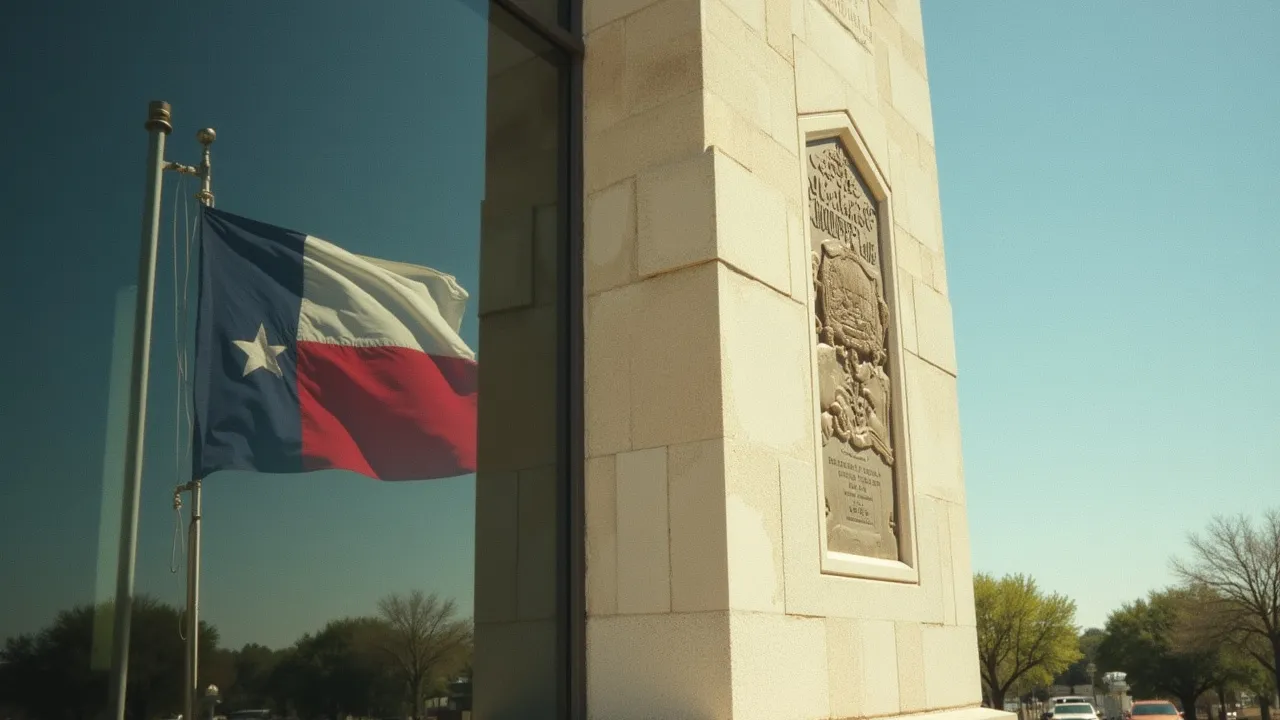
San Jacinto Day, observed on April 21st, commemorates the decisive Battle of San Jacinto in 1836 where Texas won independence from Mexico. It is a Texas state holiday honoring the victory and the fallen soldiers.
Historical Origins & Evolutionary Journey
The Foundational Catalyst
The Battle of San Jacinto took place on April 21, 1836, near present-day La Porte, Texas. Led by General Sam Houston, the Texian army launched a surprise attack against the Mexican forces under General Antonio López de Santa Anna. The battle lasted only 18 minutes but resulted in a decisive victory, effectively securing Texas independence from Mexico. This event is the cornerstone of Texas statehood and identity.
Legislative/Official Adoption
Texas officially recognized San Jacinto Day as a state holiday in 1871, making it one of the oldest commemorative days in the state. The holiday was established to honor the bravery of the Texian soldiers and the legacy of the battle. Over the years, it has been observed with parades, reenactments, and educational events, particularly in the Houston area.
Modern Global Legacy
While primarily a Texas observance, San Jacinto Day has gained recognition among history enthusiasts worldwide. The San Jacinto Monument, built in 1936, stands as the world's tallest masonry column and serves as a focal point for annual commemorations. The day continues to symbolize the spirit of independence and the enduring importance of the event in American history.
How to Celebrate San Jacinto Day
San Jacinto Day offers a range of meaningful activities for individuals, families, schools, and organizations. Here is a comprehensive guide to celebrating responsibly:
For Individuals and Families
- Visit the San Jacinto Monument and Battleground State Historic Site. Participate in guided tours and live reenactments often held on April 21st.
- Attend the annual San Jacinto Day Festival and Battle Reenactment, featuring period music, crafts, and food.
- Read firsthand accounts of the battle from the Texas State Library archives to deepen your understanding.
For Schools and Educational Groups
- Organize a classroom lesson on the Texas Revolution, focusing on the strategic importance of the battle.
- Assign students to create timelines or dioramas depicting the events of April 21, 1836.
- Host a flag ceremony honoring the Texas Lone Star flag, which was adopted shortly after independence.
For Organizations and Communities
- Host a community picnic or barbecue with traditional Texan dishes like brisket and cornbread.
- Collaborate with local historical societies to display artifacts from the era.
- Encourage employees to wear period clothing or Texas-themed attire to work.
Outside Texas, enthusiasts can watch virtual tours of the battleground or participate in online seminars hosted by the Texas Historical Commission.
The San Jacinto Monument and Museum
Architectural Significance
The San Jacinto Monument is a 567-foot-tall obelisk topped with a star, symbolizing the Lone Star State. Completed in 1936, it was designed by architect Alfred C. Finn and stands as a testament to the engineering prowess of the era. The monument is located in the San Jacinto Battleground State Historic Site in Texas.
Museum Exhibits
The adjacent San Jacinto Museum of History houses over 10,000 artifacts, including weapons, uniforms, and documents from the Texas Revolution. Highlights include Santa Anna's silk vest and Sam Houston's sword. The museum offers interactive displays that bring the battle to life for visitors of all ages.
- Main Exhibit Hall: Chronicles the entire Texas Revolution from the Battle of the Alamo to independence.
- Observation Deck: Provides a panoramic view of the battleground and the Houston Ship Channel.
- Special Exhibitions: Rotating displays focus on specific aspects, such as the role of Tejanos in the revolution.
Cultural Significance and Legacy
State Identity
San Jacinto Day is more than a holiday; it is a cornerstone of Texas pride. The battle's legacy is woven into the state's identity, influencing everything from the state motto "Friendship" to the iconic lone star on the flag. Schools across Texas teach the battle as a defining moment of self-determination.
National Impact
The Battle of San Jacinto led to the annexation of Texas by the United States in 1845, ultimately contributing to the Mexican-American War and the expansion of the nation. Historians argue that the victory at San Jacinto shaped the geopolitical landscape of North America.
- Texan Independence: The Republic of Texas existed for nearly a decade before statehood.
- Military Tactics: The battle is studied in military academies for its effective use of surprise and terrain.
- Cultural Representations: Films, books, and artworks frequently depict the battle as a dramatic underdog story.
Observance in Texas and Beyond
Texas State Holiday
San Jacinto Day is a partial state holiday in Texas, meaning state offices and schools are closed. However, it is not a federal holiday. Observances are concentrated in the Houston area, where the battleground is located. Parades, flotillas on the Houston Ship Channel, and a fireworks display are common.
Global Recognition
While not widely celebrated internationally, the day is recognized by historical societies and Mexican-American communities who reflect on the complex history of Texas-Mexico relations. Some events focus on reconciliation and mutual understanding between the two nations.
Mexico: Some groups in Mexico hold quiet reflections on the loss, but official observances are rare.
United States: Other states with strong Texas ties, like Oklahoma and Louisiana, may host small events.
Online Communities: Enthusiasts share facts, photos, and videos on social media using #SanJacintoDay.
Historical Timeline
The Battle of San Jacinto occurs on April 21, leading to Texas independence from Mexico.
The Texas Legislature officially designates April 21 as San Jacinto Day, a state holiday.
The San Jacinto Monument is completed for the Texas Centennial, becoming a permanent memorial.
The San Jacinto Museum of History opens within the monument base, housing revolutionary artifacts.
The Battleground is named a National Historic Landmark, ensuring federal protection.
The Texas Parks and Wildlife Department assumes management, enhancing visitor experiences.