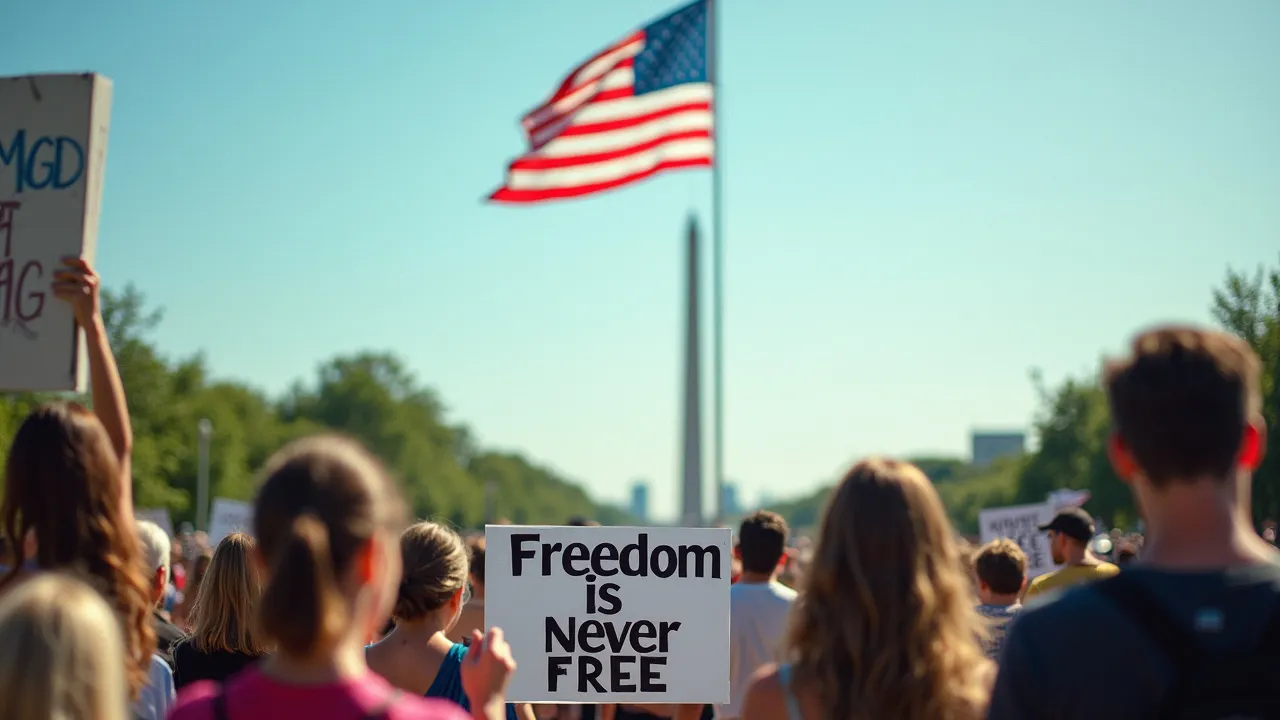
Remember Freedom Day on September 11th honors the enduring spirit of liberty and the sacrifices made to preserve it. This day serves as a solemn reminder of the 2001 terrorist attacks and a global call to uphold democratic freedoms.
The Historical Origins & Evolutionary Journey of Remember Freedom Day
Remember Freedom Day, observed each year on September 11th, was born from the ashes of the deadliest terrorist attack on American soil. The day was officially established by the US Congress in 2002, just months after the attacks, as a way to commemorate the victims, honor the heroes, and reaffirm the nation's commitment to freedom. Over the years, it has evolved from a day of mourning into a global observance celebrating the resilience of democratic values.
The Foundational Catalyst: September 11, 2001
On the morning of September 11, 2001, 19 al-Qaeda terrorists hijacked four commercial airplanes. Two planes struck the Twin Towers of the World Trade Center in New York City, a third hit the Pentagon in Arlington, Virginia, and the fourth crashed into a field in Shanksville, Pennsylvania after passengers attempted to overcome the hijackers. Nearly 3,000 people lost their lives that day, making it the worst terrorist attack in history. The attacks sparked a global war on terror and reshaped international security policies.
The Legislative/Official Adoption
Within a year, on October 25, 2001, the US Congress passed a joint resolution designating September 11 as Patriot Day. The resolution called for the flag to be displayed at half-staff and for a moment of silence to be observed at 8:46 a.m. EDT, the time the first plane hit the North Tower. In 2009, President Barack Obama signed the Edward M. Kennedy Serve America Act, which expanded the observance to the National Day of Service and Remembrance, encouraging citizens to engage in charitable acts. Some groups later adopted the name 'Remember Freedom Day' to emphasize the enduring fight for liberty worldwide.
Modern Global Legacy
Today, Remember Freedom Day has transcended national boundaries. Countries like the United Kingdom, Canada, and Australia hold memorial services and educational events. The day has become a platform for promoting peace, combating extremism, and celebrating the freedoms that define open societies. In schools, students explore themes of democracy, human rights, and civic duty. The evolution of the day reflects a collective recognition that freedom requires constant vigilance and sacrifice.
How to Celebrate Remember Freedom Day: A Global Guide
Remember Freedom Day offers a powerful opportunity to reflect on the meaning of liberty and take concrete action to uphold it. Whether you are an individual, a school, a corporation, or a community organization, there are numerous ways to participate in this important observance. Below are structured strategies for diverse groups and regions.
For Individuals
- Attend or organize a memorial service at a local monument or place of worship.
- Observe the moment of silence at 8:46 a.m. local time.
- Volunteer at a charity, food bank, or veteran's organization as part of the National Day of Service.
- Read about the history of the day and discuss freedom with family and friends.
For Schools and Educational Institutions
- Incorporate age-appropriate lessons on the events of 9/11 and the concept of freedom into the curriculum.
- Organize a flag-raising ceremony with a moment of silence.
- Host a guest speaker, such as a first responder or a historian.
- Encourage students to write letters to veterans or active-duty military personnel.
For Corporations and Organizations
- Encourage employees to take the day off for volunteer work, or organize a company-wide service project.
- Donate to charities that support victims of terrorism or promote freedom.
- Hold a moment of silence at the workplace and display the flag at half-staff.
Celebrations Around the World
While the day originated in the United States, it has been adopted by other nations. In Canada, communities host 'Freedom Marches' highlighting human rights. In the United Kingdom, the day is often linked to the 'Battle of Britain' but now includes 9/11 commemorations. In Australia, ceremonies at war memorials emphasize the shared sacrifice for freedom. In many European countries, NGOs organize panel discussions on democracy and counter-terrorism. African nations such as South Africa use the day to reflect on their own struggles for liberation. The key is to adapt the observance to local contexts while keeping the universal theme of freedom central.
Global Impact and Societal Themes
Remember Freedom Day has far-reaching implications beyond the borders of the United States. It serves as a catalyst for discussions on security, civil liberties, and the balance between freedom and safety. The day highlights several key societal themes:
The Resilience of Democratic Institutions
Despite the trauma of 9/11, democratic institutions in the US and around the world endured. The day reinforces the idea that open societies can withstand terrorist attacks without resorting to authoritarian measures. Many governments have used the observance to promote democratic values and counter extremist narratives.
The Role of Service and Volunteering
The transformation of the day into a National Day of Service has mobilized millions of Americans. Studies show that participation in community service increases social cohesion and trust. This aspect of the day has been emulated in other countries, fostering a global culture of giving back.
Freedom of Speech and Expression
In the aftermath of 9/11, debates about free speech and national security intensified. Remember Freedom Day provides an annual opportunity to reaffirm the importance of protecting civil liberties even in times of crisis. It reminds citizens that freedom must be defended not only from external threats but also from internal erosion.
Global Solidarity Against Terrorism
The observance has strengthened international cooperation in counter-terrorism. Nations share intelligence, harmonize laws, and conduct joint exercises. The day is a moment to honor the victims of terrorism everywhere and to commit to a future free from fear.
The Symbolism of Remember Freedom Day
The symbols associated with Remember Freedom Day are powerful and evocative. The central symbol is the American flag at half-staff, which signifies mourning and respect. The moment of silence at 8:46 a.m. has become a ritual that connects all participants. Other symbols include:
- The Twin Towers Light Memorial in New York, where two beams of light shoot skyward, representing the fallen towers.
- The Pentagon Memorial, which features 184 benches for each victim, illuminated at night.
- The Flight 93 National Memorial in Pennsylvania, honoring the passengers who fought back.
- White doves released at ceremonies as symbols of peace and freedom.
These symbols are not just decorative; they serve as educational tools that tell the story of heroism and loss. They remind us that freedom is a precious gift that must be cherished and protected.
Education and Awareness Initiatives
Education is a cornerstone of Remember Freedom Day. Schools and universities use the day to teach about the historical context of 9/11 and the broader concepts of freedom and democracy. Many institutions have developed specialized curricula that include:
Classroom Activities
- Analyzing primary sources such as news footage and survivor interviews.
- Debating the trade-offs between security and privacy.
- Exploring the global impact of terrorism on different cultures.
Museum and Memorial Visits
The 9/11 Memorial & Museum in New York offers virtual tours and educational resources. Similar institutions in other countries, like the Imperial War Museum in London, provide comparative perspectives on conflict and freedom.
Digital Literacy and Media Analysis
In an age of misinformation, the day encourages critical thinking about news sources and the manipulation of information by extremists. Programs teach students how to identify propaganda and engage in constructive dialogue.
Media and Cultural Representations
Remember Freedom Day has been portrayed in numerous films, documentaries, and books. From the Oscar-winning film 'United 93' to the documentary '9/11: Inside the President's War Room', the day has inspired a vast body of work that shapes public memory. The coverage of the day in media often focuses on:
- Human interest stories of survivors and first responders.
- Analytical pieces on the geopolitical aftermath.
- Artistic expressions such as poetry, songs, and murals that capture the emotional resonance of the day.
These cultural representations ensure that the memory of 9/11 and the spirit of freedom endure across generations. They also serve as cautionary tales about the cost of complacency.
Historical Timeline
Terrorist attacks on the World Trade Center and the Pentagon, and the crash of United Airlines Flight 93 in Pennsylvania, resulting in nearly 3,000 deaths.
US Congress passes joint resolution designating September 11 as Patriot Day, calling for flag at half-staff and moment of silence.
First official observance of Patriot Day; informal adoption of the name 'Remember Freedom Day' by advocacy groups.
President Obama signs the Serve America Act, expanding September 11 into the National Day of Service and Remembrance.
Opening of the National September 11 Memorial & Museum in New York City.
One World Trade Center (Freedom Tower) opens, becoming a symbol of resilience.
20th anniversary of 9/11; global commemorations reaffirm commitment to freedom and peace.