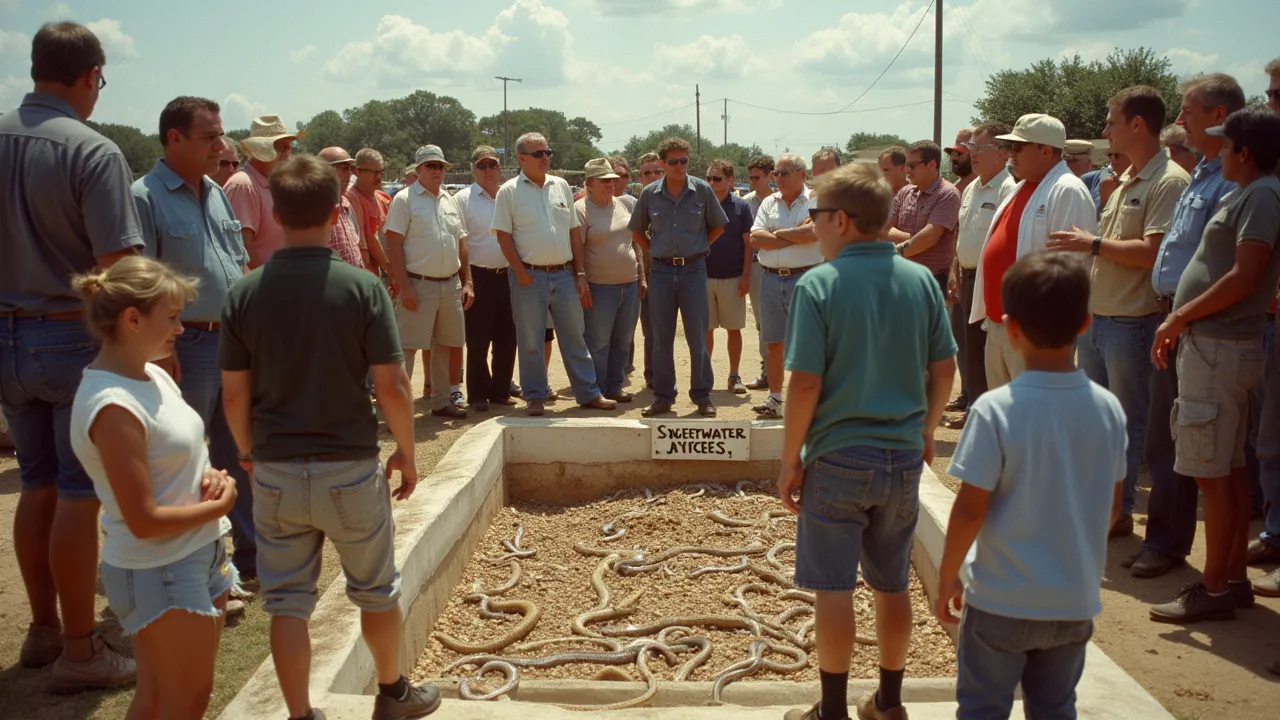
Rattlesnake Roundup Day on January 28th commemorates the controversial tradition of gathering rattlesnakes for festivals, pest control, and conservation debates. It highlights the cultural significance and ecological impact of these events.
The Historical Origins & Evolutionary Journey
Rattlesnake roundups trace their origins to early 20th-century America, when rural communities sought to control proliferating rattlesnake populations that threatened livestock and humans. The first recorded roundup occurred in Okeene, Oklahoma, in 1927 as a community pest-control effort. However, the modern template for the event was established by the Sweetwater Jaycees in Sweetwater, Texas, in 1958. This annual 'World's Largest Rattlesnake Roundup' turned a pragmatic hunt into a festival, drawing thousands of visitors and sparking a nationwide phenomenon.
The Foundational Catalyst
The catalyst for organized roundups was the combination of agricultural expansion and fear of venomous snakes. In the Great Plains and southwestern U.S., ranchers and farmers faced regular encounters with prairie rattlesnakes (Crotalus viridis) and western diamondbacks (Crotalus atrox). Local 'snake hunts' became annual traditions, often led by veterans or conservation officers. The Sweetwater event professionalized the concept: it featured a snake-handling contest, a parade, and a 'Rattlesnake Queen' pageant, embedding the roundup into local identity.
The Legislative/Official Adoption
By the 1960s, roundups gained official recognition from state wildlife agencies, which granted permits for collection and sale of venom and skins. However, the activity also drew criticism from herpetologists and animal welfare groups. In 1979, the Humane Society of the United States issued a report condemning the practice, leading to stricter regulations in some states. Despite this, many roundups continued under the guise of population control and public education. In 2005, the Texas Parks and Wildlife Department imposed quotas on rattlesnake collection, aiming to prevent overharvesting.
Modern Global Legacy
Today, rattlesnake roundups are a uniquely American phenomenon, though similar events exist in South America (e.g., Brazil's 'Festa da Serpente') and Australia (for venomous snakes). In the U.S., the Sweetwater roundup remains the largest, drawing over 30,000 attendees annually and collecting roughly 4,000 pounds of rattlesnakes. The movement has also spurred alternative 'educational festivals' where snakes are released after handling, reflecting a shift toward conservation. The January 28th observance date was chosen by the National Day Calendar to honor the historical significance of these events while promoting awareness of their controversies.
How to Celebrate Rattlesnake Roundup Day
Celebrating Rattlesnake Roundup Day involves engaging with the tradition through education, ethical participation, and community activities. Whether you are an enthusiast, a conservationist, or a curious newcomer, the day offers diverse ways to explore the cultural and ecological aspects of rattlesnake roundups.
Attend a Roundup Event
Many roundups occur on weekends near January 28th. To find one, check local chambers of commerce or state wildlife department calendars. Key events include:
- Sweetwater Rattlesnake Roundup (Texas): Typically held in March, but special events on Jan 28 include educational exhibits and habitat talks.
- Whigham Rattlesnake Roundup (Georgia): Features a snake show and festival food.
- Freer Rattlesnake Roundup (Texas): Known as 'Rattlesnake Capital of Texas', with a parade and chili cook-off.
Participate in Snake Handling Workshops
Learn safe handling techniques from certified herpetologists. Many roundups offer clinics where participants use tongs and hooks to safely handle non-venomous snakes before progressing to rattlesnakes. Always prioritize safety and follow these steps:
- Wear protective gear: Thick gloves, snake-proof boots, and long pants.
- Use proper tools: Snake tongs, hooks, and secure containers.
- Stay calm: Sudden movements can provoke strikes.
- Never handle alone: Have a partner and first-aid kit ready.
Support Conservation Efforts
Many roundups now partner with wildlife conservation groups. On Rattlesnake Roundup Day, you can donate to organizations like the Center for Biological Diversity or the Rattlesnake Conservation Network. Alternatively, attend a 'catch-and-release' event where snakes are measured, tagged, and released back into the wild to support population monitoring.
Educational Activities for Schools
Teachers can integrate the day into curriculum:
- Biology: Study rattlesnake anatomy, venom composition, and habitats.
- History: Research the role of roundups in American folklore.
- Ethics: Debate the morality of killing vs. conservation.
Host a Virtual Watch Party
Stream documentaries like 'Rattlesnake Republic' or 'The Snake King' to explore the cultural impact. After viewing, discuss the balance between tradition and animal welfare on social media using #RattlesnakeRoundupDay.
Conservation & Controversy: The Ecological Debate
Rattlesnake roundups occupy a contentious space between tradition, pest control, and biodiversity protection. While proponents argue that roundups reduce snake-human conflicts and provide valuable economic benefits, critics contend that they threaten fragile rattlesnake populations and disrupt ecosystems.
Ecological Impact of Indiscriminate Harvest
Rattlesnakes are slow-reproducing, late-maturing species. Indiscriminate removal of adults, especially pregnant females, can decimate local populations. A 2018 study by the University of Texas found that roundups in some counties reduced western diamondback numbers by over 30% in a decade. This has cascading effects: rattlesnakes help control rodent populations, and their decline can lead to increased crop damage and tick-borne diseases.
Regulatory Responses
In response to conservation concerns, several states have enacted restrictions. Texas now requires a permit for collection and limits the number of snakes per person per day. Georgia and Alabama have banned commercial roundups entirely, allowing only educational demonstrations. The Sweetwater roundup itself shifted from open harvest to a 'buy-back' system, where snakes are sold by licensed hunters rather than collected indiscriminately.
The Case for Tradition
Defenders of roundups emphasize their cultural and economic importance. In rural towns, these events can generate over $1 million annually in tourism revenue. They also argue that roundups reduce snake bites: Sweetwater officials claim the event removes up to 7,000 pounds of venomous snakes each year, potentially saving lives. Additionally, roundups fund local charities through the sale of rattlesnake meat, venom, and hides.
Towards Sustainable Roundups
Some roundups have moved toward sustainability by releasing snakes after events, using non-lethal methods, and donating proceeds to conservation. The Noxon, Montana roundup, for example, is catch-and-release and includes a 'Snake Awareness' program. Such models demonstrate that tradition and conservation can coexist.
Economic Impact & Local Industry
Rattlesnake roundups are significant economic drivers for many small towns. The Sweetwater event alone draws 30,000 visitors, filling hotels, restaurants, and gas stations. Beyond tourism, roundups support a niche industry revolving around rattlesnake products.
Economic Contributions
- Direct revenue: Entry fees, vendor booths, and auction of snakes can bring in over $500,000 for a single event.
- Indirect spending: Visitors spend an average of $150 per person on lodging, food, and souvenirs.
- Charitable donations: Proceeds often fund local fire departments, schools, and civic groups.
Rattlesnake Products Market
The snakes themselves are raw materials for several industries:
- Venom: Used in antivenom production and medical research. A single gram of dried rattlesnake venom can sell for over $300.
- Meat: Sold as a delicacy, often in chili or fried form. Prices range from $15-$30 per pound.
- Hides and skins: Fashioned into boots, belts, and handbags. A top-grade rattlesnake belt can cost $200.
Challenges to the Industry
The industry faces pressures from conservation legislation and shifting public attitudes. Some states have banned the sale of snake skins, and chains like Coach have stopped using exotic leathers. As a result, roundup organizers are diversifying into ecotourism and education to sustain economic benefits without harming snake populations.
Safety Measures & First Aid for Rattlesnake Encounters
Rattlesnake Roundup Day is a prime time to educate the public on snakebite prevention and response. With increased exposure to snakes, safety protocols are crucial.
Prevention Tips
- Wear protective clothing: High boots, thick jeans, and gloves when in snake territory.
- Watch your step: Use a flashlight at night and avoid reaching into blind spots like rock crevices or woodpiles.
- Stay on trails: Avoid tall grass and underbrush where rattlesnakes may hide.
If You Encounter a Rattlesnake
- Freeze and assess: Stop moving and locate the snake.
- Back away slowly: Keep a distance of at least 6 feet.
- Do not provoke: Never try to handle or kill the snake.
- Alert others: Warn people nearby and notify a park ranger or event staff.
First Aid for Bites
Immediate and correct first aid can reduce complications:
- Call 911: Time is critical. Antivenom is the only effective treatment.
- Keep calm: Panic increases heart rate and venom spread.
- Immobilize the limb: Splint it and keep it at or below heart level.
- Remove jewelry: Swelling can occur rapidly.
- Do NOT: apply tourniquets, cut the wound, suck out venom, or apply ice.
Rattlesnake venom can cause severe tissue damage, bleeding, and even death if untreated. Modern antivenom (CroFab) is highly effective when administered promptly.
Global Perspectives & Comparative Traditions
While rattlesnake roundups are predominantly a U.S. tradition, similar events exist worldwide, reflecting diverse human-snake interactions. Rattlesnake Roundup Day provides a lens to examine these global parallels.
Snake Festivals in Asia
In India, the Nag Panchami festival honors cobras, involving offerings and processions with live snakes. Unlike roundups, these are religious and non-lethal. Similarly, in Thailand's Naga Fireball Festival, locals celebrate mythical snakes but do not harvest them.
South American Venomous Snake Events
Brazil's 'Festa da Serpente' in São Paulo features the handling of jararaca and cascavel (South American rattlesnake) for venom extraction. The event is organized by the Butantan Institute, which uses the venom for antivenom production. It is strictly scientific and educational, with all snakes released afterward.
Australian Snake Roundups
In Australia, some rural communities hold 'snake shows' to raise awareness about deadly elapids like the brown snake and taipan. These events focus on education and safe removal, with no killing or consumption. The Australian Reptile Park uses such events to collect venom for antivenom.
European Snakes and Folk Traditions
Europe has few venomous snakes, but Italy's 'Festa del Serpente' in Cocullo involves a procession carrying a statue covered in live grass snakes. This ancient pagan-Christian tradition emphasizes protection, not extermination.
These global examples show that human-snake engagements can be respectful and sustainable, offering lessons for modernizing rattlesnake roundups.
Historical Timeline
The first recorded rattlesnake roundup occurs in Okeene, Oklahoma, as a community effort to control prairie rattlesnakes threatening farmers and livestock.
The Sweetwater Jaycees host the first 'World's Largest Rattlesnake Roundup' in Sweetwater, Texas, establishing the modern festival template with contests, sales, and a parade.
The Freer Rattlesnake Roundup in Texas begins, earning the town the nickname 'Rattlesnake Capital of Texas.'
The Humane Society of the United States releases a report condemning roundups for cruelty and ecological harm, prompting nationwide debate.
Several states, including Georgia and Alabama, enact bans on commercial roundups, allowing only educational demonstrations with non-lethal handling.
The Sweetwater Jaycees implement a buy-back system, paying hunters per snake rather than allowing indiscriminate harvest.
Texas Parks and Wildlife Department imposes quotas on rattlesnake collection at roundups, limiting the number per participant and requiring permits.
The National Day Calendar officially recognizes January 28th as 'Rattlesnake Roundup Day,' aiming to raise awareness of the tradition's history and controversies.
A University of Texas study finds that roundups have caused a 30% decline in western diamondback rattlesnake populations in some counties, spurring calls for stricter regulations.
The Sweetwater roundup incorporates a catch-and-release component, releasing a portion of collected snakes after measuring and tagging for research.