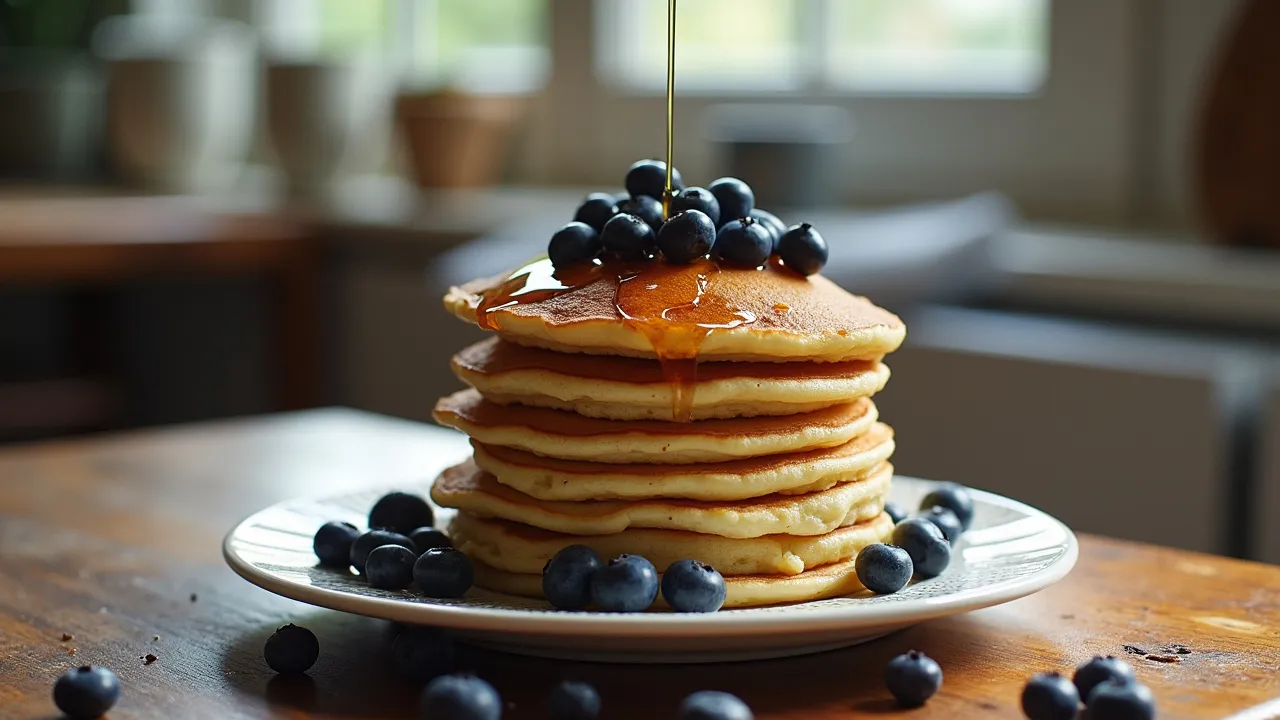
National Blueberry Pancake Day, celebrated on January 28th, honors the beloved breakfast dish combining fluffy pancakes with juicy blueberries. This day highlights the cultural and nutritional significance of this classic American comfort food.
The Historical Origins & Evolutionary Journey
National Blueberry Pancake Day, observed annually on January 28th, is a celebration of a dish that combines two deeply rooted culinary traditions: pancakes and blueberries. This section delves into the rich history of both components and the eventual creation of a dedicated holiday.
The Ancient Roots of Pancakes
Pancakes are one of the oldest foods known to humanity, with evidence dating back to prehistoric times. The ancient Greeks and Romans made flatcakes from wheat flour, olive oil, honey, and curdled milk. In medieval Europe, pancakes evolved into a Shrove Tuesday tradition to use up rich foods before Lent. The modern American pancake, thick and fluffy, emerged in the 19th century with the advent of chemical leavening agents like baking powder.
The Blueberry's Journey from Wild to Cultivated
Blueberries are native to North America, where Indigenous peoples used them for food and medicine. The cultivation of highbush blueberries began in the early 20th century, thanks to the work of agriculturalist Elizabeth White and botanist Frederick Coville. By the 1910s, commercial blueberry farming was established in New Jersey and other states. Blueberries became a popular pancake addition in the mid-20th century as frozen blueberries allowed year-round enjoyment.
The Birth of National Blueberry Pancake Day
National Blueberry Pancake Day was established in the year 2000 by the Blueberry Council, an industry group promoting the fruit. The date January 28th was chosen to provide a mid-winter boost in blueberry sales and to encourage comfort food consumption. Today, the day is celebrated across the United States through special breakfast menus, social media campaigns, and home cooking.
How to Celebrate National Blueberry Pancake Day
This day is all about enjoying blueberry pancakes in creative and communal ways. Here is a comprehensive guide to celebrating, from personal cooking to community events.
Classic Recipe Tips
- Use fresh or frozen blueberries – if using frozen, do not thaw to prevent color bleeding.
- Fold blueberries gently into the batter to avoid crushing them.
- Cook on a preheated griddle at medium heat for even browning.
- Serve with real maple syrup and a pat of butter.
Innovative Variations
- Lemon Blueberry Pancakes: Add lemon zest and a splash of lemon juice for brightness.
- Whole Wheat or Oat Flour: Boost nutrition with whole grains.
- Vegan or Gluten-Free: Use plant-based milk and flax eggs, or almond flour for gluten-free.
- Savory Twist: Add a pinch of black pepper and fresh thyme for a unique flavor.
Community Celebrations
Many local diners, cafes, and schools host blueberry pancake breakfasts. Participate in pancake-eating contests, share photos on social media with #NationalBlueberryPancakeDay, or organize a neighborhood pancake flip. For businesses, offering a limited-time blueberry pancake special can attract customers.
Health Benefits of Blueberry Pancakes
Blueberry pancakes are not only delicious but also offer several health advantages, especially when prepared mindfully. This section explores the nutritional profile and benefits.
Nutritional Profile
Blueberries are rich in vitamins C and K, manganese, and dietary fiber. They are among the highest antioxidant fruits, with anthocyanins that give them their deep blue color. Pancakes can be made healthier by using whole grain flours, reducing sugar, and incorporating protein like Greek yogurt or eggs.
Health Impacts
- Antioxidant Boost: Anthocyanins in blueberries combat oxidative stress and inflammation.
- Heart Health: Regular consumption of blueberries may lower blood pressure and improve cholesterol levels.
- Brain Function: Studies suggest blueberries can delay cognitive decline and improve memory.
- Blood Sugar: When paired with protein and whole grains, blueberry pancakes have a moderate glycemic impact.
For a balanced meal, serve with a side of lean protein like turkey sausage or a poached egg.
Culinary Evolution and Variations Across the Globe
While blueberry pancakes are quintessentially American, the concept of fruit-studded pancakes exists worldwide. This section explores global adaptations.
American Classic
The American blueberry pancake is thick, fluffy, and often served in stacks. Regional variations include the use of buttermilk for tanginess or the addition of chocolate chips for extra indulgence.
European Twists
In France, thin crêpes filled with blueberry compote are popular. The Netherlands serve pannenkoeken – large, thin pancakes often topped with blueberries and syrup. Swedish- style pancakes (pannkakor) are thinner and sometimes served with lingonberries, but blueberries can substitute.
Asian Adaptations
Japanese soufflé pancakes are tall and jiggly, often topped with blueberry sauce and cream. In Korea, hotteok (filled pancakes) can be stuffed with blueberries and brown sugar. Chinese jianbing can include blueberries as a modern twist.
These variations demonstrate the versatility of blueberry pancakes across cultures.
Economic and Agricultural Impact of Blueberry Pancake Day
National Blueberry Pancake Day has significant economic implications for the blueberry industry and the food service sector. This section analyzes the impact.
Blueberry Industry Growth
The United States is the world's largest producer of blueberries, with major growing regions in Maine, Michigan, and the Pacific Northwest. The holiday boosts demand in January, typically a slower sales month, helping stabilize farmers' income. Marketing campaigns around the day have increased blueberry consumption by up to 15% in January, according to industry data.
Pancake Day Marketing
Restaurants and pancake chains run special promotions, such as discounts on blueberry pancakes or limited-time menu items. Grocery stores feature blueberries in their weekly ads, and social media influencers create recipe content. The economic ripple effect includes increased sales of pancake mix, syrups, and cooking equipment.
Cultural Significance and Future Trends
National Blueberry Pancake Day reflects broader cultural trends around comfort food, nostalgia, and social media sharing. This section explores its cultural role and future directions.
Social Media Phenomena
The hashtag #NationalBlueberryPancakeDay generates millions of impressions on platforms like Instagram and TikTok. Users share photos of their pancake creations, often with step-by-step videos. Food bloggers and influencers drive engagement by posting recipes and challenges, such as the 'fluffiest pancake' competition.
Sustainability Trends
As consumers become more environmentally conscious, there is a push toward organic and locally grown blueberries. Some pancake recipes now incorporate alternative flours (e.g., spelt, buckwheat) and plant-based ingredients. The future may see blueberry pancakes as a vehicle for sustainable eating, with emphasis on seasonal produce and reduced food waste.
Historical Timeline
Ancient Greeks make flatcakes (tagenias) with wheat flour, oil, and honey, an early precursor to modern pancakes.
Elizabeth White and Frederick Coville successfully cultivate the first commercial highbush blueberries in New Jersey.
Pancakes become a staple American breakfast with the popularity of Aunt Jemima mix and the invention of electric griddles.
Frozen blueberries become widely available, allowing home cooks to enjoy blueberry pancakes year-round.
The Blueberry Council establishes National Blueberry Pancake Day on January 28th to boost mid-winter blueberry sales.
Social media platforms see a surge in blueberry pancake posts during the pandemic, with families turning to comfort food cooking.