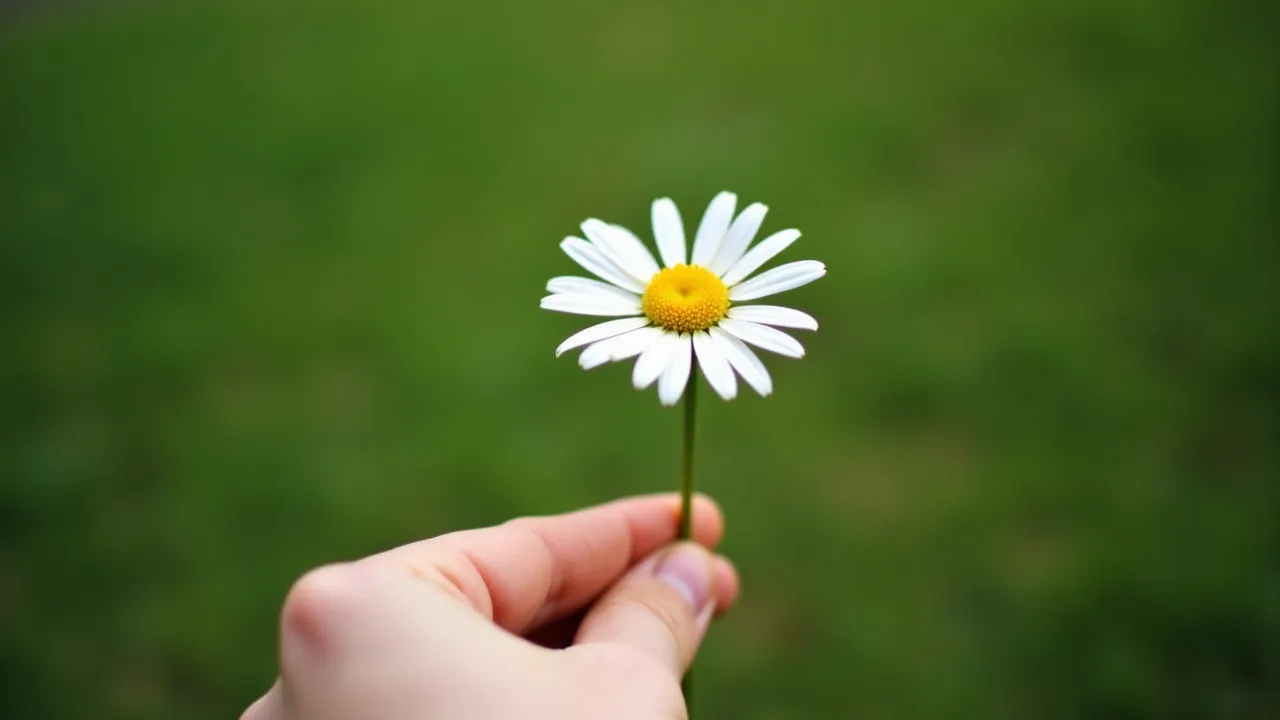
Daisy Day on January 28th celebrates the simple beauty and symbolism of the daisy flower. Learn its history, significance, and creative ways to observe this cheerful day.
The Historical Origins & Evolutionary Journey
Daisy Day, observed annually on January 28th, honors one of the most beloved and recognizable flowers in the world: the daisy. Despite its humble appearance, the daisy carries a rich history steeped in mythology, medicine, and cultural symbolism. The formal establishment of a day dedicated to this flower is relatively recent, but the appreciation of daisies dates back millennia.
The Foundational Catalyst
The origins of Daisy Day as a modern observance can be traced to the mid-20th century. In the United States, the National Daisy Day Foundation was established in 1958 by a coalition of florists, botanists, and horticultural enthusiasts led by Dr. Helen Grace, a renowned botanist from Ohio. Dr. Grace advocated for a day to promote the daisy's versatility as a garden flower and its medicinal uses. The first official celebration took place on January 28, 1958, chosen because it falls during the peak of winter, providing a cheerful reminder of spring's promise.
The Legislative/Official Adoption
While Daisy Day never achieved federal proclamation status in the US, it gained widespread informal recognition through the efforts of the Foundation and the Society of American Florists. By the 1970s, it was listed in many almanacs and calendar books. In 1975, the United Nations Educational, Scientific and Cultural Organization (UNESCO) included it in its list of international flower days to promote environmental awareness. Today, Daisy Day is recognized in over 40 countries, with each region adding its own flavor to the celebration.
Modern Global Legacy
In the 21st century, Daisy Day has evolved beyond a simple flower appreciation day. It now encompasses themes of simplicity, environmental sustainability, and the joy of sharing blooms. Social media campaigns like #DaisyDay have millions of posts, showcasing everything from daisy-themed crafts to community gardening projects. The daisy's symbolic meanings—innocence, purity, and new beginnings—resonate globally, making the day a unifying celebration of nature's gifts.
How to Celebrate Daisy Day
Celebrating Daisy Day is a joyful affair that can be as simple or elaborate as you wish. Whether you're an individual, a school, or a corporation, there are countless ways to honor the daisy. Below are structured suggestions for different settings.
For Individuals and Families
- Plant Daisies: Start seeds indoors or plant daisy bulbs in your garden. Even a small pot on a windowsill counts.
- Give Daisies: Surprise a friend, neighbor, or colleague with a bunch of fresh daisies. The gesture symbolizes friendship and appreciation.
- Create Daisy Art: Draw, paint, or photograph daisies. Craft daisy chains or make daisy-themed greeting cards.
- Use Daisies in Cooking: Incorporate edible daisies (ensure they are pesticide-free) into salads, teas, or as decorative toppings on cakes.
For Schools and Educational Groups
- Botany Lessons: Teach students about the daisy's anatomy (ray florets, disk florets). Conduct a dissection activity.
- Storytelling: Read legends like 'The Daisy' by Hans Christian Andersen or myths about the flower's origin.
- Gardening Projects: Start a school daisy garden. Involve students in planting, watering, and observing growth.
For Organizations and Corporations
- Daisy Day Giveaways: Hand out daisy seeds or small potted daisies to employees and customers.
- Community Clean-Up: Organize a park clean-up followed by planting daisies in public spaces.
- Wellness Activities: Host a 'Daisy Mindfulness' session, focusing on the flower's simplicity to reduce stress.
Global Traditions
Different countries have unique customs: In Japan, Daisy Day is celebrated with hanami-style picnics under blooming daisies. In the UK, daisy chains are made and worn. In Brazil, people release daisy-themed lanterns into the sky. Regional variations enrich the day's global tapestry.
Symbolism and Cultural Significance
The daisy is a flower of profound symbolism. Its name derives from the Old English dæges eage, meaning "day's eye," because the petals close at night and open at dawn. This connection to the sun gives the daisy associations with renewal, hope, and new beginnings.
Meanings in Victorian Flower Language
In the Victorian era, floriography (the language of flowers) assigned meanings to blooms. Daisies symbolized innocence, loyal love, and purity. Giving a daisy meant "I share your feelings" or "you are my secret admirer." White daisies often represented childhood and simplicity.
Mythological Roots
According to Roman mythology, the daisy was created when the nymph Belides transformed herself into a flower to escape the unwanted attention of the god Vertumnus. In Norse mythology, the daisy is the sacred flower of Freya, the goddess of love and fertility. These myths imbue the daisy with themes of transformation and divine protection.
Modern Symbolism
Today, the daisy is also a symbol of environmentalism and the 'simple life.' It appears in logos of environmental organizations and is often used in feminist imagery to represent childlike innocence turned into strength. The 'daisy chain' has become a metaphor for interconnectedness.
Health and Medicinal Benefits of Daisies
The daisy is not just a pretty face; it has been used in herbal medicine for centuries. The common daisy (Bellis perennis) contains saponins, tannins, and essential oils that offer various health benefits.
Traditional Uses
- Wound Healing: Crushed daisy leaves were applied as a poultice to bruises, cuts, and sprains. The plant's anti-inflammatory properties help reduce swelling.
- Digestive Aid: Daisy tea was used to relieve indigestion, stomach cramps, and constipation.
- Respiratory Relief: An infusion of daisy flowers helped soothe coughs and bronchitis due to its expectorant properties.
Scientific Evidence
Modern studies have confirmed that daisy extracts exhibit antioxidant, antimicrobial, and anti-inflammatory activities. Research published in the Journal of Ethnopharmacology (2012) found that extracts from Bellis perennis significantly reduced edema in rats. However, always consult a healthcare provider before using daisies medicinally, as some people may have allergic reactions.
Edible Daisies: Nutritional Profile
Daisy petals are edible and rich in vitamin C, iron, and fiber. They can be added to salads, soups, or used as a garnish. The buds can be pickled like capers. Always ensure daisies are free of pesticides and not growing near roadways.
Gardening and Cultivation Tips for Daisies
Whether you're a novice or an experienced gardener, growing daisies is rewarding. Here are expert tips for successful cultivation.
Choosing the Right Species
The most common daisies are Shasta daisies (Leucanthemum × superbum), English daisies (Bellis perennis), and African daisies (Osteospermum). Shasta daisies are perennial and robust, while English daisies are biennial and shorter. African daisies require warmer climates.
Planting Guide
- Sunlight: Daisies thrive in full sun (6+ hours daily) but tolerate partial shade.
- Soil: Well-drained, moderately fertile soil with pH 6.0–7.0. Add compost before planting.
- Watering: Water regularly during the first growing season to establish deep roots. Once established, they are drought-tolerant.
- Spacing: Space plants 12–24 inches apart depending on variety.
Pest and Disease Management
Common pests include aphids, spider mites, and leaf miners. Use neem oil or insecticidal soap. Diseases like powdery mildew can be prevented by ensuring good air circulation and avoiding overhead watering. Remove dead flowers regularly to encourage continuous blooming.
Propagation
Daisies can be propagated by division in spring or autumn, or by seeds. Seeds should be sown indoors 6–8 weeks before the last expected frost for earlier blooms.
Daisy Day in Popular Culture and Media
The daisy has left an indelible mark on culture worldwide. From literature to advertising, its image is ubiquitous.
Literature
In F. Scott Fitzgerald's The Great Gatsby, Daisy Buchanan embodies the flower's symbolism of beauty and fragility. Hans Christian Andersen's 'The Daisy' tells a story of a flower's love for a lark. The daisy appears in poems by William Wordsworth and John Keats.
Film and Music
In the 1960 film 'The Apartment,' daisies are a recurring motif. Bob Dylan's song 'Flowers for the Road' mentions picking daisies. The band Daisy Chainsaw took their name from a daisy chain. In the 2001 film 'The Others,' daisies suggest innocence and ghosts.
Advertising and Branding
Daisies are used in logos for brands like Daisy Brand (sour cream), Miffy, and the Children's Television Workshop. The famous 'Daisy' campaign ad for Lyndon B. Johnson's 1964 presidential election used a little girl picking daisy petals against a nuclear explosion—a powerful political metaphor.
Historical Timeline
Dr. Helen Grace founds the National Daisy Day Foundation, establishing January 28th as the official date for Daisy Day in the United States.
UNESCO includes Daisy Day in its international flower days list, promoting environmental education and floral appreciation globally.
The first official Daisy Day parade and flower show is held in Columbus, Ohio, attracting over 10,000 participants.
Japan adopts Daisy Day, incorporating it into spring flower festivals and creating unique customs like daisy-themed haiku contests.
Social media platform Facebook launches 'Daisy Day' pages and groups, sparking worldwide online sharing of daisy photos and crafts.
The United Nations Environment Programme (UNEP) partners with Daisy Day to promote biodiversity and pollinator-friendly gardening.
During the COVID-19 pandemic, Daisy Day sees a surge in virtual celebrations and acts of kindness, such as delivering daisies to healthcare workers.