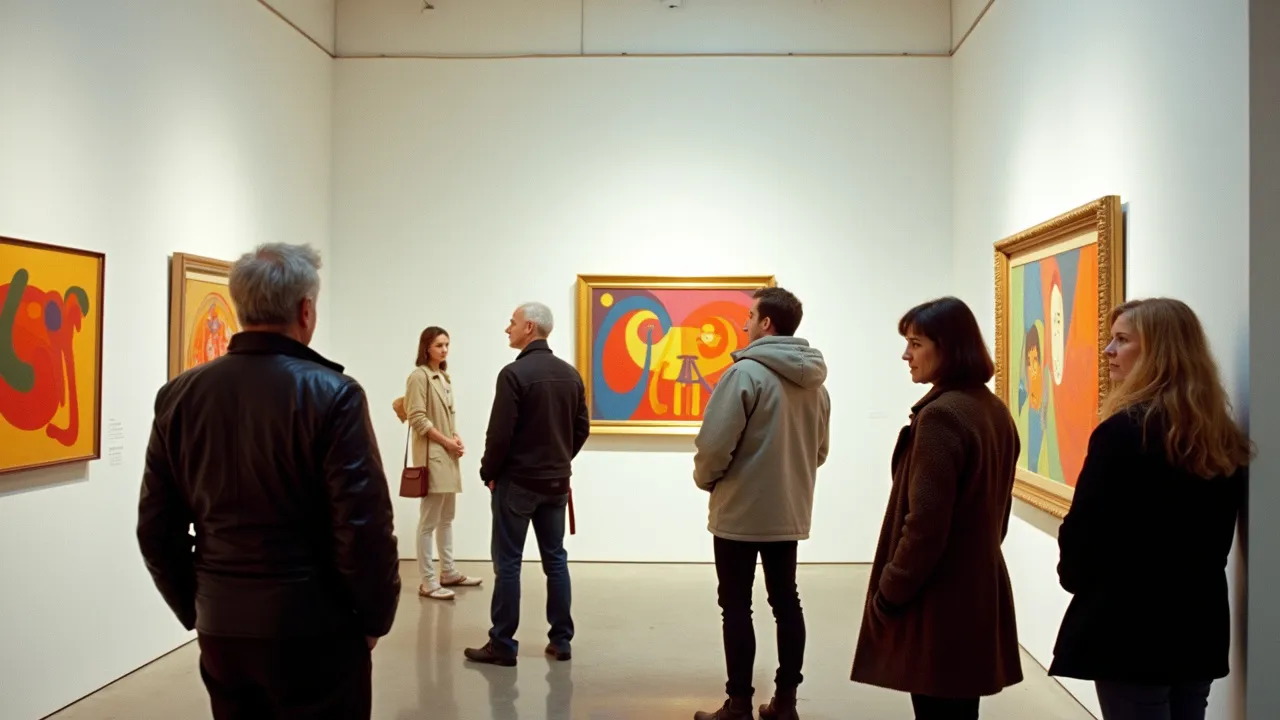
Pop Art Day, observed January 28th on the birthday of pop art pioneer Claes Oldenburg, celebrates the vibrant movement that turned everyday objects into high art. Join global festivities to explore, create, and appreciate pop culture imagery.
The Historical Origins & Evolutionary Journey of Pop Art Day
Pop Art Day is observed annually on January 28th, chosen to honor the birth of Claes Oldenburg (born January 28, 1929), a central figure in the pop art movement. The day began as a grassroots celebration among art educators and museum docents in the early 2000s, aiming to increase public engagement with pop art. Over time, it has grown into a global phenomenon embraced by galleries, schools, and pop culture enthusiasts.
The Foundational Catalyst: The Birth of Pop Art
Pop art emerged in the mid-1950s in Britain and the late 1950s in the United States as a reaction against abstract expressionism. Artists sought to blur the boundaries between 'high' art and 'low' culture by incorporating imagery from advertising, comic books, and everyday objects. Key figures included Andy Warhol, Roy Lichtenstein, Claes Oldenburg, James Rosenquist, and Tom Wesselmann.
The Legislative/Official Adoption
Unlike many observances, Pop Art Day has not been formally recognized by any government body. Instead, its adoption has been organic, driven by museums, art councils, and social media campaigns. The Smithsonian American Art Museum and the Museum of Modern Art have held special events on this day, helping to solidify its place on the cultural calendar.
Modern Global Legacy
Today, Pop Art Day is celebrated across five continents. In the United States, schools organize pop art projects; in the United Kingdom, the Tate Modern hosts themed talks; and in Japan, pop art exhibitions draw record crowds. The day also serves as a platform to discuss the movement's critique of consumerism, mass media, and celebrity culture.
How to Celebrate Pop Art Day
Celebrating Pop Art Day offers endless opportunities for creativity and cultural appreciation. Below is a definitive guide to making the most of this vibrant observance, whether you are an individual, a school, or an organization.
For Individuals and Families
- Create Your Own Pop Art: Use bold colors, Ben Day dots, and everyday objects to make collages or paintings. Try replicating a Warhol-style silkscreen effect using stencils or digital tools.
- Visit a Museum or Gallery: Many art museums offer free admission or special tours on January 28th. Check local listings for pop art exhibitions.
- Host a Pop Art Movie Marathon: Watch films that embody pop aesthetics, such as Yellow Submarine (1968) or The Graduate (1967).
- Dress in Pop Art Style: Wear clothing inspired by comic strips, bright primary colors, or iconic brand logos.
For Schools and Educators
- Teach Pop Art History: Introduce students to key artists and their techniques. Use interactive slideshows and video clips.
- Organize a Pop Art Contest: Ask students to create artwork using everyday objects or magazine cutouts. Display the results in a school gallery.
- Collaborate on a Mural: Paint a large-scale pop art mural on a school wall using stencils and bright acrylics.
For Organizations and Businesses
Companies can celebrate by sponsoring a local art competition, hosting a pop art-themed office party, or releasing limited-edition products inspired by pop culture. For example, a café might offer a 'Soup Can Special' in honor of Warhol's Campbell's Soup Cans.
International Celebration Variations
In China, Pop Art Day often coincides with exhibitions of contemporary Chinese pop artists like Wang Guangyi. In Brazil, samba schools incorporate pop art imagery into their Carnival parades. In Australia, the National Gallery of Australia holds a 'Pop Art Picnic' where families create artworks outdoors.
Global Impact and Influence of Pop Art
Pop art's impact extends far beyond the art world, permeating fashion, advertising, music, and film. The movement's bold visual language has been appropriated by brands like Target and Benetton, while musicians such as David Bowie and the Beatles have referenced it in their album covers. On Pop Art Day, the global art community reflects on this influence through panel discussions and virtual tours. The movement also sparked critical discussions about the commodification of art and the role of the artist in a consumer society.
Pop Art as Social Commentary
Many pop artists used their work to critique political and social issues. For instance, Warhol's Disaster Series commented on media sensationalism, while Lichtenstein's war paintings questioned American militarism. Today, contemporary artists continue this tradition, using pop aesthetics to address topics like environmentalism and social justice.
Key Artists and Their Lasting Contributions
Andy Warhol (1928–1987)
Warhol is arguably the most famous pop artist, known for his silkscreen prints of Marilyn Monroe, Elvis Presley, and Campbell's soup cans. His studio, The Factory, became a hub for avant-garde culture. Warhol's work blurred the line between art and commerce, and he coined the phrase '15 minutes of fame.'
Roy Lichtenstein (1923–1997)
Lichtenstein's comic-strip style paintings, such as Whaam! and Drowning Girl, used Ben Day dots and primary colors to parody mass media. He elevated 'low' art to gallery status, challenging notions of originality and authorship.
Claes Oldenburg (1929–2022)
Oldenburg focused on sculptures of everyday objects, such as Clothespin and Floor Burger. His soft sculptures and large-scale public artworks transformed the mundane into the monumental, encouraging viewers to see the world with fresh eyes.
Other Notable Artists
James Rosenquist – known for billboard-sized paintings that collided advertising imagery.
Tom Wesselmann – created provocative still lifes and nudes in a pop style.
Robert Rauschenberg – combined found objects with painting in his 'Combines.'
Jasper Johns – used flags, targets, and numbers to explore symbols and perception.
Pop Art in Popular Culture Today
Pop art's legacy is visible everywhere. In graphic design, the use of bold outlines and halftone dots directly descends from Lichtenstein and Warhol. Fashion houses like Versace and Moschino have released pop art-inspired collections, while street artists like Keith Haring and Mr. Brainwash carry the torch. On Pop Art Day, social media platforms explode with user-generated content using pop art filters and stickers. Major brands often launch limited-edition products, from sneakers to smartphone cases, that reference classic pop motifs.
Educational Activities and Community Events
Pop Art Day provides an ideal opportunity for hands-on learning. Museums offer workshops where participants can create their own pop art prints using stamping or digital tools. Libraries host story times featuring pop art picture books like B Is for Bauhaus and The Pop Art Book. Community centers organize 'Pop Art Swap Meets' where attendees trade pieces of art made from recycled materials. For those unable to attend in person, virtual reality tours of famous pop art collections are available online. The day also encourages intergenerational bonding, as grandparents and grandchildren can share memories of the 1960s pop culture that inspired the movement.
Historical Timeline
The exhibition 'This Is Tomorrow' at London's Whitechapel Gallery features early pop art works by Richard Hamilton and others, marking the movement's debut.
Andy Warhol exhibits his 32 Campbell's Soup Cans at the Ferus Gallery in Los Angeles, becoming an icon of American pop art.
Roy Lichtenstein paints 'Whaam!', a large-scale comic panel that becomes one of the most recognized pop art works.
Claes Oldenburg creates 'Clothespin', a 45-foot steel sculpture installed in Philadelphia, symbolizing pop art's monumental turn.
Pop art gains mainstream acceptance with museum retrospectives; Warhol's 'Mao' series and Lichtenstein's 'Artist's Studio' are featured.
The 'Young British Artists' (YBAs) like Damien Hirst revive pop art's spirit with shock value and consumer culture themes.
Pop Art Day is first informally celebrated in American art schools, chosen to coincide with Claes Oldenburg's birthday.
The Smithsonian American Art Museum hosts a major pop art symposium on January 28, drawing international attention to the day.