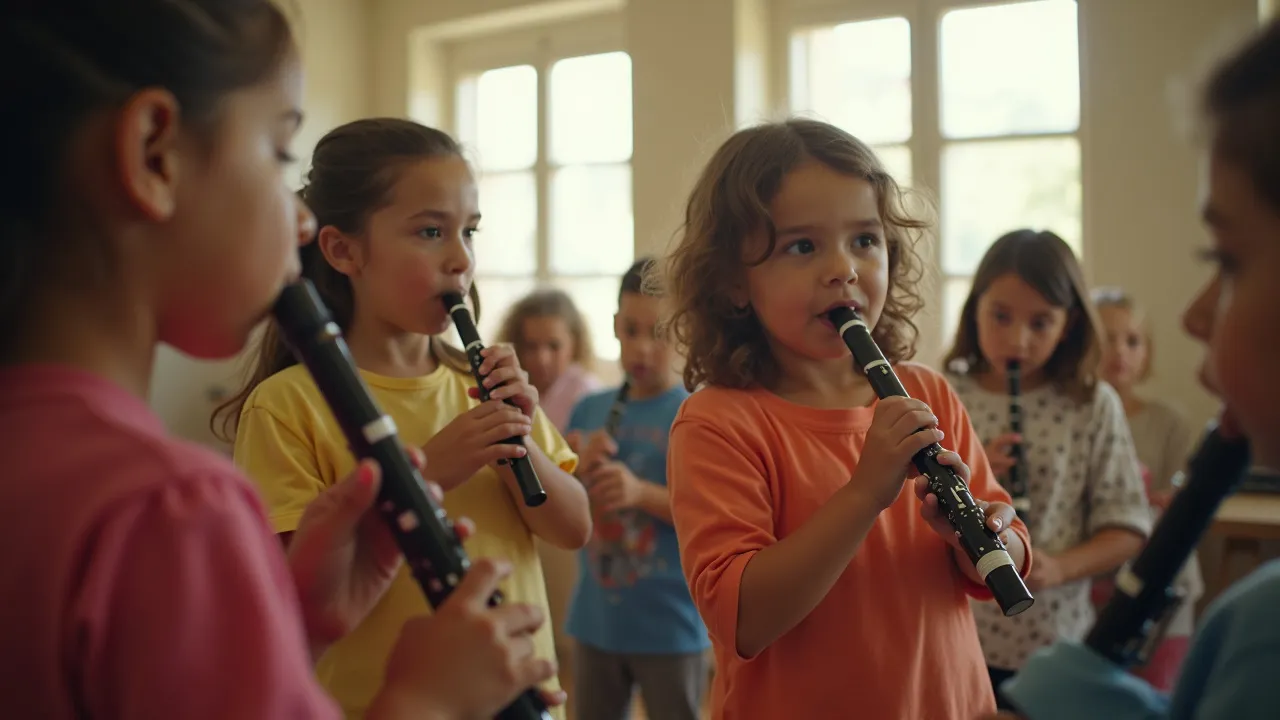
Play the Recorder Day, observed on the third Saturday of March, celebrates the history and joy of playing the recorder. Founded by the American Recorder Society, it promotes music education and community engagement through this accessible woodwind instrument.
The Historical Origins & Evolutionary Journey
Play the Recorder Day, observed annually on the third Saturday of March, is a testament to the enduring appeal of one of the oldest woodwind instruments. The day was established to promote the recorder’s rich history, its role in music education, and its accessibility to people of all ages.
The Foundational Catalyst
The recorder, dating back to medieval times, experienced a revival in the early 20th century due to the early music movement. By the 1960s, it became a staple in elementary music programs across the United States. However, by the 1990s, its popularity waned as schools shifted focus to other instruments. Recognizing the need to reignite interest, the American Recorder Society (ARS) conceived Play the Recorder Day in 1999. The society aimed to create a dedicated day that would encourage both new and experienced players to pick up the instrument and share its beauty.
The Official Adoption
In 2000, the ARS officially launched the first Play the Recorder Day on the third Saturday of March. The date was chosen to coincide with the start of spring, symbolizing renewal and the blossoming of musical talent. The day quickly gained traction through local chapters, music stores, and schools. Events included mass play-alongs, workshops, and performances. By 2005, the observance had spread to Canada, the United Kingdom, and Australia, with many music organizations incorporating it into their calendars.
Modern Global Legacy
Today, Play the Recorder Day is celebrated worldwide. In Europe, countries like Germany and the Netherlands host large-scale festivals featuring professional recorder ensembles. In Japan, schools organize special lessons and concerts. The day has also embraced digital platforms, with virtual recitals and online tutorials making participation accessible to a global audience. The ARS continues to provide free resources, including sheet music and lesson plans, ensuring the tradition thrives for future generations.
How to Celebrate Play the Recorder Day
Celebrating Play the Recorder Day is about community, education, and fun. Whether you are a beginner or a seasoned player, there are countless ways to participate. Below are actionable strategies for individuals, schools, and organizations.
For Individuals
- Pick up a recorder: If you don’t own one, buy a quality plastic recorder for under $20. Spend 15 minutes learning a simple tune.
- Join a virtual play-along: Many online platforms host live sessions where participants play together via video call.
- Share your music: Record yourself playing a favorite piece and post it on social media with #PlayTheRecorderDay.
For Schools
- Host a school-wide assembly: Have students perform a short concert featuring recorder ensembles.
- Organize a mass play: Gather all recorder players in the gym to play a simple song together.
- Integrate history lessons: Teach students about the recorder’s role in Renaissance and Baroque music.
For Organizations
- Offer free workshops: Local music stores or community centers can host beginner classes.
- Sponsor a contest: Encourage participants to compose an original recorder piece.
- Partner with libraries: Display books about the recorder and distribute sheet music.
International Traditions
In the United States, many schools hold "Recorder Karate" belt ceremonies. In the United Kingdom, community groups often perform in public parks. In Germany, professional recorder ensembles give free concerts. In Japan, students participate in nationwide recorder exams held on this day.
The Benefits of Playing the Recorder
Playing the recorder offers numerous cognitive, emotional, and social benefits. It is an ideal instrument for musicians of all ages.
Cognitive Development
Learning the recorder improves memory, concentration, and hand-eye coordination. Reading music and translating it into finger movements activates multiple brain regions. Studies show that children who play an instrument perform better in math and reading.
Emotional Well-Being
The act of playing music reduces stress and anxiety. The recorder’s soft, mellow tone has a calming effect. Group playing fosters a sense of belonging and accomplishment.
Accessibility and Affordability
Recorders are inexpensive compared to most other instruments. Plastic models are durable and easy to maintain. This makes the recorder a perfect first instrument for children or adults exploring music for the first time.
The Recorder in Education
The recorder has been a cornerstone of music education for decades. Its simplicity and low cost make it ideal for classroom settings.
Historical Role
In the 20th century, educational reformers like Carl Orff integrated the recorder into Orff Schulwerk, a methodology combining music, movement, and speech. Today, millions of students learn the recorder in grades 3–5 as a precursor to band instruments.
Modern Curricula
Many music educators use the recorder to teach basic music theory, breathing techniques, and ensemble skills. Digital resources, such as interactive apps and online tutorials, supplement traditional methods. Play the Recorder Day provides an opportunity to showcase student progress and inspire continued learning.
Famous Recorder Players and Compositions
The recorder has a rich repertoire spanning centuries, from medieval dances to contemporary works.
Historical Figures
Jacob van Eyck (1590–1657) was a Dutch recorder virtuoso who composed “Der Fluyten Lust-hof,” a collection of variations for solo recorder. Johann Sebastian Bach featured the recorder in several works, including the “Brandenburg Concertos.” Georg Philipp Telemann wrote numerous sonatas and concertos for the instrument.
Modern Artists
Contemporary players like Michala Petri and Erik Bosgraaf have expanded the recorder’s repertoire through collaborations with living composers. They perform in major concert halls and record critically acclaimed albums, proving the recorder’s versatility beyond early music.
Global Variations of Recorder Day
While the official date is the third Saturday of March, different regions have adapted the observance to their local contexts.
United Kingdom
In the UK, the Society of Recorder Players organizes regional events, often themed around British folk songs. Some groups hold “flash mobs” in public spaces.
Germany
Germany has a strong recorder tradition, with many conservatories offering specialized degrees. Play the Recorder Day often coincides with weekend courses and masterclasses.
Japan
In Japan, the day is closely tied to school music programs. Many students take a nationwide recorder skills test, and top performers receive certificates. Some companies release limited-edition recorders with anime designs to attract younger players.
Australia
Australian communities celebrate with outdoor picnics and recorder jam sessions. The day also serves as a fundraiser for music scholarships in underserved schools.
Historical Timeline
The American Recorder Society (ARS) proposes establishing a national day to celebrate the recorder.
First official Play the Recorder Day observed on the third Saturday of March, with events in 20 states.
Play the Recorder Day goes global; Canada, UK, and Australia participate with organized activities.
The ARS launches a free online resource hub with lesson plans, music sheets, and promotional materials.
Virtual play-alongs become popular, allowing participants from different countries to perform together via video conferencing.
Despite the pandemic, Play the Recorder Day sees record participation through online events and social media campaigns.