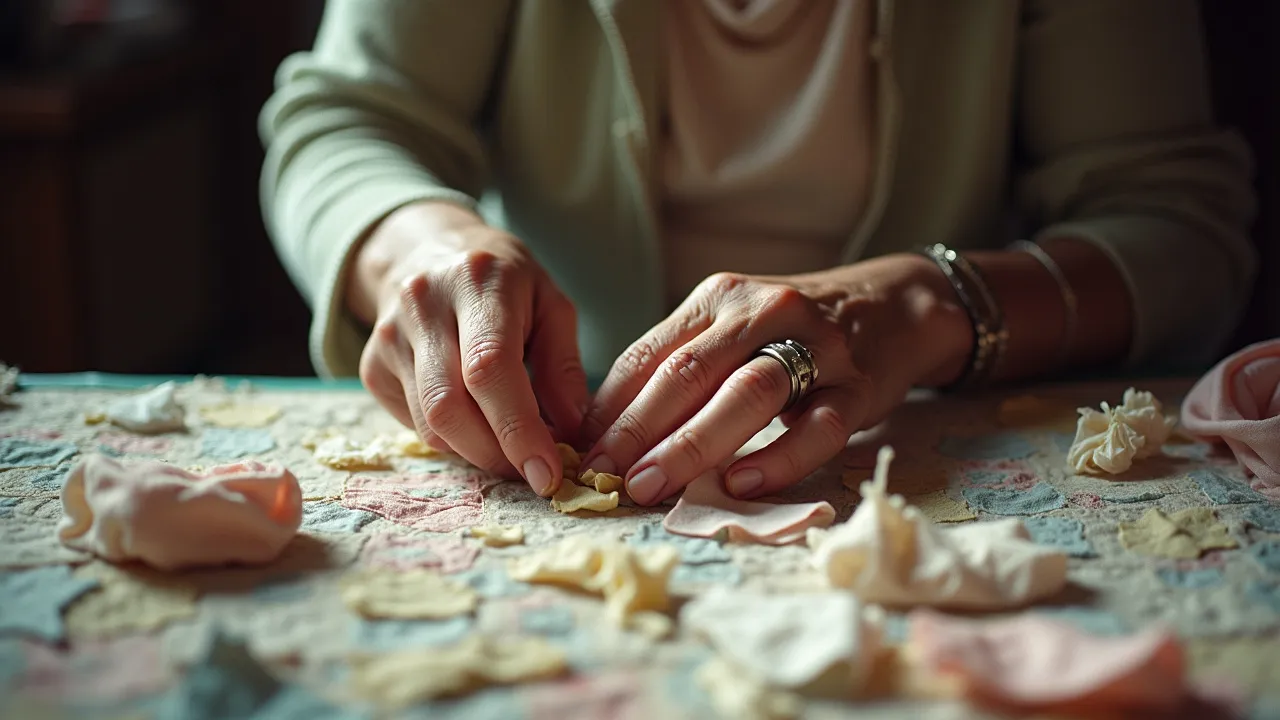
National Quilting Day, observed on the third Saturday in March, honors the art and tradition of quilting. It celebrates the craft's rich history, community bonds, and creative expression through fabric.
The Historical Origins & Evolutionary Journey
The Foundational Catalyst
Quilting has ancient roots, with early examples found in Egypt and China, but the modern patchwork quilt emerged in the United States during the 18th and 19th centuries. Necessity drove early settlers to repurpose worn clothing into warm bedcovers, while the quilting bee became a vital social gathering for women in rural communities. By the mid-20th century, quilting declined as mass-produced bedding became affordable, but a revival in the 1970s sparked renewed interest. The National Quilting Association (NQA), founded in 1970, sought to preserve and promote the craft. In 1991, the NQA officially designated the third Saturday in March as National Quilting Day to encourage public awareness and participation.
The Legislative/Official Adoption
While not a federal holiday, National Quilting Day gained recognition through grassroots efforts. The NQA formalized the date, and organizations worldwide soon joined. In 1992, the British Quilt Guild extended the celebration globally, coining the term "World Quilting Day." Museums, quilt shops, and guilds now coordinate events, exhibitions, and workshops. The day's official status remains a voluntary observance, but its cultural impact is significant, connecting quilters across borders.
Modern Global Legacy
Today, quilting is a multi-billion-dollar industry encompassing traditional hand-piecing, machine quilting, and art quilts. National Quilting Day serves as a platform for charity fundraisers, quilt shows, and educational programs. Online communities have expanded the reach, allowing virtual quilting bees and global challenges. The day also highlights the therapeutic benefits of quilting, including stress relief and cognitive engagement. As an intergenerational craft, it continues to evolve with modern designs while honoring heritage techniques.
How to Celebrate National Quilting Day
National Quilting Day offers countless ways to participate, whether you are a seasoned quilter or a complete beginner. Below are actionable strategies for individuals, schools, and organizations.
For Individuals
- Start a New Project: Choose a simple pattern, like a patchwork pillow, and dedicate the day to cutting and sewing your first blocks.
- Join a Local Guild: Attend a meeting or workshop offered by a nearby quilting guild. Many host open houses on this day.
- Visit a Quilt Show: Check community centers or museums for exhibitions featuring antique and contemporary quilts.
- Create a Charity Quilt: Make a small quilt for a local hospital, shelter, or veterans' group. Many organizations collect quilts year-round.
- Document Your Work: Share photos of your quilts or works in progress on social media using hashtags like #NationalQuiltingDay.
For Schools and Youth Groups
- Paper Quilting: Have students design paper quilt squares that are assembled into a class quilt to display on a bulletin board.
- History Lesson: Teach the role of quilting in American history, including the Underground Railroad quilt code legend.
- Simple Sewing: For older students, provide fabric squares and basic sewing supplies to create a small quilted coaster.
For Organizations and Businesses
- Host a Sew-In: Offer free workspace and machines at a local quilt shop, encouraging community members to bring projects.
- Charity Drive: Organize a quilt collection drive for disaster relief or warming centers.
- Workshop Series: Offer discounted classes on techniques like English paper piecing, appliqué, or free-motion quilting.
- Social Media Challenge: Launch a 24-hour quilt block challenge where participants post photos of a single block they made that day.
Beyond the day itself, consider adopting a year-round quilting habit. The community is welcoming, and the skills are rewarding.
The Art and Craft of Quilting: Techniques and Traditions
Quilting encompasses a wide range of techniques, from hand-stitching to long-arm machine quilting. Understanding these methods enriches both creation and appreciation.
Traditional Techniques
- Patchwork: Sewing together small fabric pieces to form a larger design. Common patterns include Log Cabin, Nine-Patch, and Flying Geese.
- Appliqué: Attaching shaped fabric pieces onto a background fabric, often used for floral or pictorial quilts.
- English Paper Piecing: Wrapping fabric around paper templates for precise, hand-sewn hexagons or other shapes.
- Wholecloth Quilting: Using a single piece of fabric and dense quilting stitches to create texture and pattern.
Modern Innovations
Today, quilters use rotary cutters, acrylic rulers, and cutting mats for speed and accuracy. Machine quilting, both domestic and long-arm, allows complex, continuous stitch patterns. Art quilters push boundaries by incorporating painting, dyeing, and mixed media. Digital technology, such as design software and digital fabric printing, has expanded creative possibilities. Despite these advances, many quilters still value handwork for its meditative quality and portability.
Global Traditions
Quilting traditions vary worldwide. In Japan, sashiko stitching adds decorative strength; in the British Isles, wholecloth quilts with intricate quilting patterns are prized. Amish quilts are known for solid colors and geometric simplicity, while Hawaiian quilts feature bold, symmetrical appliqué. National Quilting Day celebrates this diversity, encouraging cross-cultural exchange through workshops and online forums.
Quilting as a Community Builder
Quilting has historically been a communal activity, and that spirit thrives today. The quilting bee, where groups gather to sew and socialize, remains a cornerstone of the craft. These gatherings foster friendships, mentorship, and collective creativity.
Charity and Outreach
Many guilds and individuals dedicate their quilts to charitable causes. Project Linus, for example, provides handmade blankets to children in need. Other initiatives support veterans, homeless shelters, and disaster victims. On National Quilting Day, many groups hold "charity sew-ins" to produce quilts for local hospitals or nursing homes. The act of giving creates a tangible connection between quilt makers and recipients.
Online Communities
Social media platforms like Instagram, Facebook, and Pinterest host vibrant quilting communities where members share progress, ask for advice, and participate in sew-alongs. Websites like The Quilting Forum and Reddit's r/quilting offer support and inspiration. These digital spaces make quilting accessible to those without local guilds, especially in rural areas. On National Quilting Day, virtual quilt-alongs and live-streamed tutorials bring the world together.
Intergenerational Bonding
Quilting often bridges generations, as grandmothers teach grandchildren or mothers and daughters work on joint projects. Many schools incorporate quilting into art and history curricula, preserving the craft for future generations. Family heirloom quilts carry stories and memories, reinforcing family ties. National Quilting Day encourages passing down skills and sharing family quilt histories.
Economic and Cultural Impact of Quilting
The quilting industry contributes significantly to the economy and cultural heritage. According to the Quilting in America survey, quilters spend billions annually on fabric, tools, classes, and travel to shows. The industry supports manufacturers, retailers, and independent designers.
Quilt Shows and Museums
Major events like the International Quilt Festival in Houston, Texas, attract thousands of visitors and feature competitions, lectures, and vendors. Museums such as the American Quilt Museum in Paducah, Kentucky, preserve and exhibit historic quilts, attracting tourists and scholars. National Quilting Day often coincides with special exhibits or open houses at these institutions.
Economic Impact
Local quilt shops are vital to communities, providing not just supplies but also classes and gathering spaces. The rise of online fabric stores has expanded access, but brick-and-mortar shops remain hubs for hands-on learning. The day is an opportunity to support these small businesses, many of which offer discounts or special events.
Cultural Significance
Quilts serve as historical documents, telling stories of immigration, war, and social movements. The AIDS Memorial Quilt, for example, is a powerful symbol of activism and remembrance. National Quilting Day highlights these narratives, encouraging people to view quilts as art and artifacts. In many cultures, quilting patterns carry symbolic meanings, preserving ethnic traditions. The day fosters appreciation of this global folk art.
Therapeutic Benefits of Quilting
Quilting offers numerous mental and physical health benefits, which are increasingly recognized by the medical community. The repetitive nature of stitching can induce a mindfulness state similar to meditation, reducing stress and anxiety.
Mental Health
Engaging in a creative project provides a sense of accomplishment and boosts self-esteem. The focus required to piece and quilt a top can distract from negative thoughts and offer a healthy coping mechanism. Studies have shown that handcrafts like quilting can lower cortisol levels and improve mood. For many, quilting serves as a form of self-care.
Physical Health
While not strenuous, quilting involves fine motor skills and hand-eye coordination, which can help maintain dexterity as we age. Cutting fabric and manipulating sewing machines also provides light exercise for the hands and arms. However, ergonomic considerations are important; taking breaks and using proper lighting and seating prevent strain.
Social Connection
Quilting groups combat loneliness and isolation, especially among seniors. Regular meetings provide social interaction and a support network. On National Quilting Day, many groups organize outreach to homebound individuals, delivering handmade quilts and offering companionship. The therapeutic value of both making and receiving quilts is immense.
Historical Timeline
The National Quilting Association (NQA) is founded to preserve and promote the art of quilting.
The NQA establishes the third Saturday in March as National Quilting Day to encourage public participation and awareness.
The British Quilt Guild adopts the same date, renaming it World Quilting Day, expanding the celebration globally.
Quilt shows and guilds proliferate, and the internet begins to connect quilters worldwide via mailing lists and early forums.
The rise of digital fabric printing and computerized long-arm quilting machines revolutionizes the craft.
Social media platforms like Instagram and Pinterest fuel a quilting resurgence, with hashtags and online sew-alongs gaining popularity.
Amid the COVID-19 pandemic, virtual quilting bees and online classes keep the community active, and many quilters produce masks and medical gowns.
A record number of participants join worldwide celebrations for National/World Quilting Day, with events in over 30 countries.