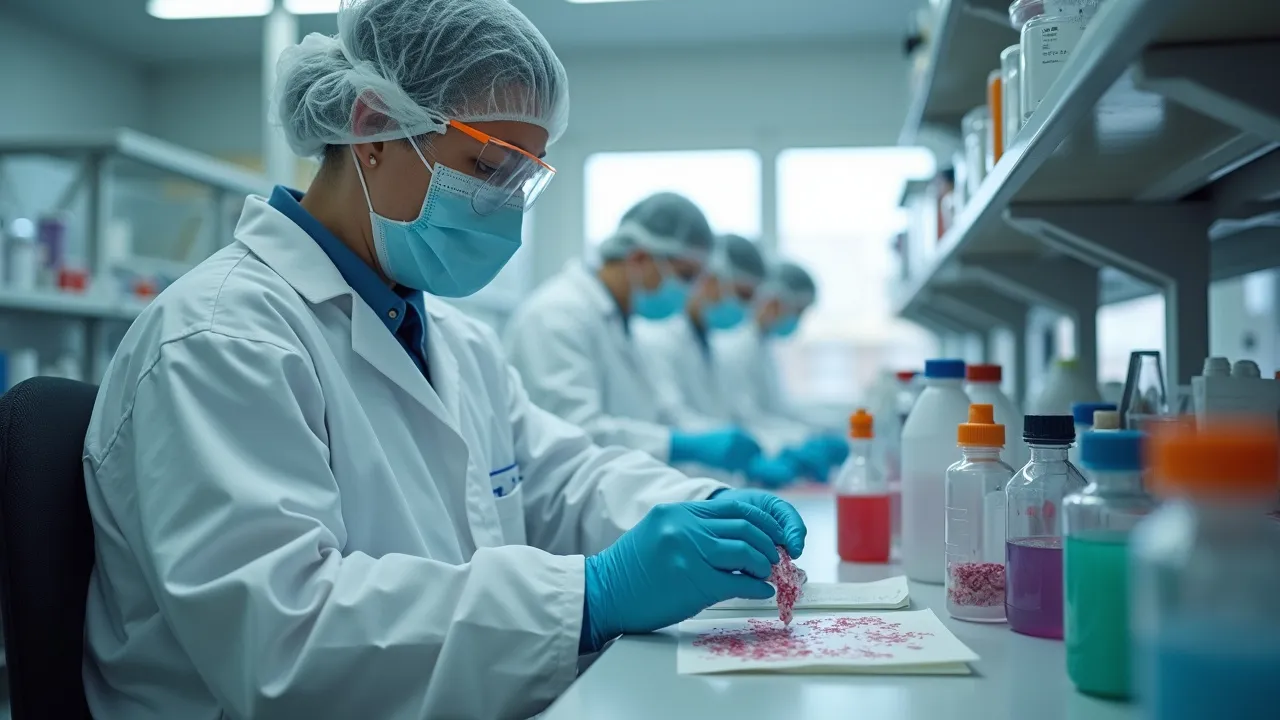
Pathologist Assistant Day on April 14 honors the vital role of pathologist assistants in healthcare, recognizing their expertise in surgical pathology and autopsy. Celebrated since 2018, it promotes awareness of this essential allied health profession.
The Historical Origins & Evolutionary Journey
The Foundational Catalyst
The pathologist assistant (PA) profession emerged in the late 1960s as a response to the increasing complexity of surgical pathology and a shortage of pathologists. The first formal training program was established at Duke University in 1969, creating a new cadre of highly skilled professionals capable of performing gross examination, dissection, and autopsy under the supervision of a pathologist. Over the following decades, the role expanded as hospitals and laboratories recognized the efficiency and expertise PAs brought to the diagnostic process.
The Official Adoption
In 2017, the ASCP Board of Certification proposed creating an official day to honor pathologist assistants. After careful consideration, April 14 was selected to commemorate the first celebration in 2018, symbolizing the profession's growing recognition. The day was chosen to align with the spring season and to avoid conflicts with other major medical observances. The first Pathologist Assistant Day was marked by educational events, social media campaigns, and professional gatherings across the United States.
Modern Global Legacy
Today, Pathologist Assistant Day is observed not only in the US but also in Canada, the UK, and other countries where PAs practice. It serves as an opportunity to highlight the critical contributions of PAs to patient care, including faster turnaround times, reduced diagnostic errors, and enhanced medical education. The day also promotes recruitment into this rewarding career, with many programs hosting open houses and webinars. As the healthcare industry evolves, the role of PAs continues to expand, and Pathologist Assistant Day ensures that these essential professionals receive the recognition they deserve.
How to Celebrate Pathologist Assistant Day
Individual Celebration Ideas
- Thank a pathologist assistant with a handwritten note, gift card, or small token of appreciation.
- Share a photo or story on social media using the hashtag #PathologistAssistantDay to spread awareness.
- Learn more about the profession by reading articles or watching videos from organizations like ASCP.
Workplace Celebrations
- Organize a departmental luncheon or breakfast to honor PAs.
- Present a continuing education session on the role of PAs in improving patient outcomes.
- Create a bulletin board or digital display showcasing PA achievements and contributions.
Educational Outreach
Schools and universities can host career days where PAs speak about their work. Pathology departments can offer shadowing opportunities for students interested in the field. Online events such as virtual Q&A sessions allow global participation. In the workplace, managers can highlight the day during team meetings and encourage peer recognition.
Global Traditions
In the US, ASCP hosts an annual webinar featuring prominent PAs. In Canada, the Canadian Society of Pathologist Assistants organizes networking events. In the UK, the Royal College of Pathologists may host lectures. Many institutions also use the day to launch fundraising campaigns for pathology research or scholarships.
The Role of Pathologist Assistants in Modern Healthcare
Key Responsibilities
Pathologist assistants are highly trained allied health professionals who perform a wide range of duties under the supervision of a pathologist. These include:
- Gross Examination: Describing and dissecting surgical specimens to prepare them for microscopic analysis.
- Autopsy: Performing complete autopsies, including dissection, documentation, and tissue sampling.
- Teaching and Research: Training medical students, residents, and laboratory staff; conducting research studies.
- Laboratory Management: Overseeing workflow, quality control, and compliance with safety standards.
Impact on Patient Care
By handling the technical aspects of specimen processing, PAs allow pathologists to focus on complex diagnostic interpretations. This collaboration reduces turnaround times, improves accuracy, and enhances productivity. Studies have shown that PA involvement leads to cost savings and higher satisfaction among surgeons and clinicians.
Specialized Settings
PAs work in hospitals, academic medical centers, private laboratories, and forensic facilities. They may specialize in areas such as dermatopathology, neuropathology, or pediatric pathology. Their versatility makes them indispensable members of the healthcare team.
Impact on Healthcare Efficiency and Quality
Improving Workflow
Pathologist assistants streamline laboratory operations by processing high volumes of specimens quickly and accurately. Their expertise reduces the cognitive load on pathologists, allowing for faster reports and earlier treatment decisions. A typical PA can gross up to 40-50 cases per day, significantly improving department throughput.
Enhancing Diagnostic Accuracy
Through rigorous training and standardized protocols, PAs ensure that tissue samples are properly oriented and sectioned, minimizing errors. Their detailed gross descriptions often capture key findings that guide further testing. This contributes to better patient outcomes and reduced healthcare costs.
Economic Benefits
Hiring PAs is cost-effective compared to relying solely on pathologists for technical tasks. PAs also help reduce overtime expenses and improve staff retention by creating a balanced workload. Many institutions report significant return on investment after adding PAs to their team.
Education and Certification Pathways
Becoming a Pathologist Assistant
To enter the profession, individuals must complete a master's degree from a program accredited by the National Accrediting Agency for Clinical Laboratory Sciences (NAACLS). Programs typically take two years and include classroom instruction, laboratory training, and clinical rotations. Prerequisites often include a bachelor's degree in biology or a related field with specific coursework.
Certification Exam
Graduates are eligible to sit for the ASCP Board of Certification exam for Pathologist Assistants, which was first offered in 2001. Passing the exam confers the credentials PA(ASCP). Continuing education is required to maintain certification.
Programs Worldwide
While most programs are in the US, similar pathways exist in Canada (e.g., University of Manitoba) and the UK (e.g., University of Westminster). International recognition is growing, with efforts to standardize training globally.
Global Expansion and Future Outlook
Growing Demand
The demand for pathologist assistants is rising due to aging populations, increased cancer screening, and the need for efficient healthcare delivery. The US Bureau of Labor Statistics projects faster-than-average growth for clinical laboratory technologists and technicians, which includes PAs.
International Adoption
Countries such as Australia, New Zealand, and Saudi Arabia are developing PA roles tailored to their healthcare systems. In Europe, some nations are exploring the PA model to address workforce shortages. Telepathology also opens opportunities for remote PA work.
Advancing the Profession
Professional organizations like the ASCP and the American Association of Pathologists' Assistants (AAPA) are advocating for expanded scope of practice, competitive salaries, and increased public awareness. Future trends include subspecialization, leadership roles, and integration with AI tools to enhance diagnostic precision.
Historical Timeline
First pathologist assistant training program established at Duke University, North Carolina.
ASCP Board of Certification launches the first certification exam for pathologist assistants, setting professional standards.
ASCP proposes an official day to recognize pathologist assistants, leading to the establishment of Pathologist Assistant Day.
First Pathologist Assistant Day observed on April 14, with events across the United States.
Virtual celebrations due to the COVID-19 pandemic; recognition grows globally as more institutions participate.
Over 2,500 certified pathologist assistants in the US; profession expands to Canada, UK, and other countries.