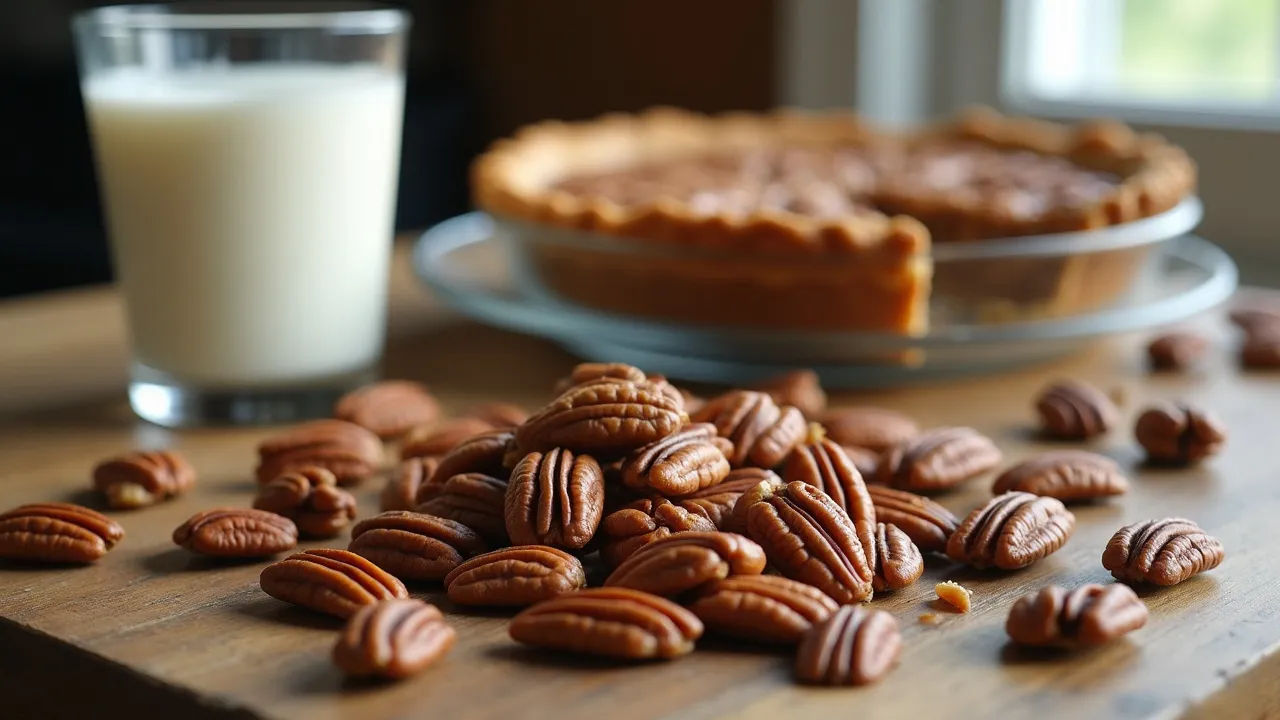
National Pecan Day on April 14th honors the only major tree nut native to North America. From pecan pie to pralines, discover the rich history and delicious ways to celebrate this quintessential American nut.
The Historical Origins & Evolutionary Journey
National Pecan Day, observed annually on April 14, celebrates the pecan—the only major tree nut native to North America. The day was established in 1996 by the National Pecan Shellers Association to honor the nut's cultural and economic significance. However, the pecan's story begins long before that, with Native American tribes who first cultivated and traded the nut.
The Foundational Catalyst
Pecans (Carya illinoinensis) have been a staple in the diets of Native Americans for centuries. The word "pecan" itself comes from the Algonquian word "pacane," meaning "nut that requires a stone to crack." Indigenous peoples used pecans as a portable, high-energy food source during hunts and migrations. They also traded pecans along early trade routes, helping the nut spread across the continent.
The Legislative/Official Adoption
The modern push for a dedicated pecan day came from the pecan industry, particularly the National Pecan Shellers Association (NPSA). In 1996, the NPSA lobbied for a day to promote pecan consumption and recognize the nut's role in American agriculture. Congress did not officially designate the day, but it gained widespread recognition through industry and media support. April 14 was chosen because it falls in the spring, a time when pecan trees are budding and the nut is at its freshest after winter storage.
Modern Global Legacy
Today, National Pecan Day is celebrated across the United States with baking contests, educational events, and social media campaigns. The pecan industry has expanded globally, with countries like Mexico, South Africa, and Australia now major producers. The observance has become a platform to highlight the nut's health benefits, versatility, and sustainability. While the U.S. remains the largest consumer, the day now resonates with pecan enthusiasts worldwide.
How to Celebrate National Pecan Day
Whether you're a home cook, a gardener, or just a fan of nuts, National Pecan Day offers countless ways to participate. Here's a definitive guide to celebrating the day with enthusiasm and purpose.
For Individuals and Families
- Bake a classic pecan pie: Use fresh pecans and a family recipe, or try a no-bake version for a quick treat.
- Host a pecan-tasting party: Sample different varieties—paper shell, Stuart, Desirable—and compare flavors raw vs. roasted.
- Make homemade pralines or pecan brittle: These Southern candies are simple and fun to prepare with kids.
For Schools and Organizations
- Educational workshops: Teach about pecan tree life cycles, the nut's history, and its nutritional profile.
- Fundraisers: Sell pecan-based goods like pies, breads, or gift boxes to support local causes.
- Plant a pecan tree: If climate permits, students can plant a sapling on school grounds and track its growth.
Global Celebration Ideas
While National Pecan Day is primarily U.S.-based, pecan enthusiasts in other countries can adopt similar traditions. In Mexico, where pecans are native, local bakeries often feature empanadas de nuez (pecan pastries). In South Africa, pecan farmers host open farm days with tractor rides and nut-cracking contests. For those in non-growing regions, ordering pecans online and supporting fair-trade producers is a meaningful way to celebrate.
The Nutritional Powerhouse: Health Benefits of Pecans
Pecans are not just delicious; they are packed with nutrients that support heart health, brain function, and weight management. This section explores the science behind the nut's reputation as a superfood.
Heart Health
Pecans are rich in monounsaturated fats, similar to those in olive oil, which help lower bad cholesterol (LDL) and raise good cholesterol (HDL). A study published in the Journal of Nutrition found that daily pecan consumption significantly reduced LDL cholesterol levels in participants. The nut also contains plant sterols that block cholesterol absorption.
Brain and Antioxidant Benefits
- Vitamin E: Pecans are an excellent source of gamma-tocopherol, a form of vitamin E that protects cell membranes from oxidative damage and may slow cognitive decline.
- Polyphenols: These antioxidants help reduce inflammation and support brain health.
Weight Management
Despite being calorie-dense, pecans promote satiety due to their protein and fiber content. Including a handful of pecans in meals can curb cravings and prevent overeating. Research indicates that nut consumers tend to have lower body mass indexes (BMIs) than those who avoid nuts.
Recommended Intake
The American Heart Association suggests 1.5 ounces (about 19 pecan halves) per day as part of a balanced diet. Roasting nuts without added oils or salt preserves their nutritional value.
Pecan Industry and Economic Impact
The pecan industry is a significant contributor to the U.S. economy, particularly in the South. This section examines production statistics, trade, and the job market surrounding pecans.
Top Producing States
- Georgia: The largest producer, accounting for about 33% of U.S. pecan production.
- Texas: Second-largest, with extensive orchards in the central and western regions.
- New Mexico: A growing producer, known for large-scale irrigation-based orchards.
Other significant producers include Oklahoma, Arizona, and Louisiana. The U.S. produces roughly 250 million pounds of pecans annually, with a farm-gate value exceeding $500 million.
Global Trade
The United States is the world's leading pecan exporter, with major markets in Canada, the European Union, and China. Mexico is the second-largest producer and also a significant exporter. In recent years, demand from Asia has surged, driven by the nut's association with luxury and health.
Employment
The pecan industry supports thousands of jobs in farming, processing (shelling and grading), and retail. Shelling facilities, often located in rural areas, provide critical employment opportunities. The industry also supports ancillary businesses like irrigation equipment suppliers and packaging manufacturers.
Global Celebrations and Regional Variations
While National Pecan Day is observed on April 14 in the United States, other countries have their own ways of honoring the nut. This section highlights regional traditions and alternative dates.
United States
In addition to National Pecan Day, several states have their own pecan festivals, such as the Texas Pecan Festival in Groves (September) and the Georgia Pecan Festival in Albany (May). These events feature parades, cooking competitions, and pecan-cracking contests.
Mexico
Mexico celebrates "Día de la Nuez" (Nut Day) on a different date—often the second Saturday of November—to coincide with the harvest season. Mexican traditions include preparing pecan flan and using pecans in mole sauces.
South Africa
South African pecan growers, part of the South African Pecan Nut Producers' Association (SAPPA), host an annual Pecan Festival in the Northern Cape province around late April. Activities include farm tours, nut-cracking challenges, and pecan wine pairings.
Australia
Australia's pecan industry is relatively young, but the Australian Pecan Association promotes the nut through events like the Pecan Short Film Contest, which is held in conjunction with National Pecan Day to engage online audiences.
Pecan Recipes and Culinary Traditions
From classic Southern desserts to innovative savory dishes, pecans are incredibly versatile. This section provides an overview of traditional and modern pecan recipes you can try on National Pecan Day.
Classic Recipes
- Pecan Pie: A staple of Southern cuisine, made with butter, sugar, corn syrup, and pecans baked in a pastry crust.
- Pralines: Confectionery made from brown sugar, butter, cream, and pecans, often associated with New Orleans.
- Pecan-Crusted Fish or Chicken: Ground pecans mixed with breadcrumbs create a nutty, crunchy coating.
Healthy Twists
- Pecan-crusted salmon: Replace breadcrumbs with finely chopped pecans for a gluten-free option.
- Pecan milk: Blend soaked pecans with water and strain for a dairy-free milk alternative.
- Pecan granola: Combine oats, coconut flakes, maple syrup, and pecan pieces, then bake until golden.
Culinary Tips
To enhance pecan flavor, toast them in a dry skillet over medium heat for 2-3 minutes until fragrant. Store shelled pecans in the freezer to preserve freshness for up to a year. For a savory kick, add smoked paprika or cayenne pepper to roasted pecans.
Fun Facts and Pecan Trivia
Impress your friends with these intriguing pecan facts on National Pecan Day.
The pecan is the state tree of Texas. Texas adopted the pecan as its state tree in 1919, and the nut is also the state health nut of Texas (since 2001).
Pecans have been cultivated for over 300 years. Native Americans were the first to domesticate the tree, and European settlers later expanded orchards.
The world's largest pecan pie weighed 16,500 pounds and was baked in 1997 in Oklahoma to celebrate National Pecan Day.
Pecans are a good source of over 19 vitamins and minerals, including magnesium, zinc, and thiamine.
There are over 500 varieties of pecans. Common types include 'Stuart', 'Desirable', 'Pawnee', and 'Elliot'.
Historical Timeline
Native Americans begin using pecans as a dietary staple and trade good across North America.
George Washington plants pecan trees at Mount Vernon, having received them from a friend.
Thomas Jefferson plants pecan trees at Monticello, calling them 'Missouri nuts'.
Commercial pecan orchards are established in the southern United States, with improved grafting techniques.
Texas designates the pecan tree as its state tree.
The National Pecan Shellers Association establishes National Pecan Day on April 14 to promote the nut.
Texas declares the pecan the official state health nut.
National Pecan Day gains international recognition through social media campaigns by pecan industry groups worldwide.