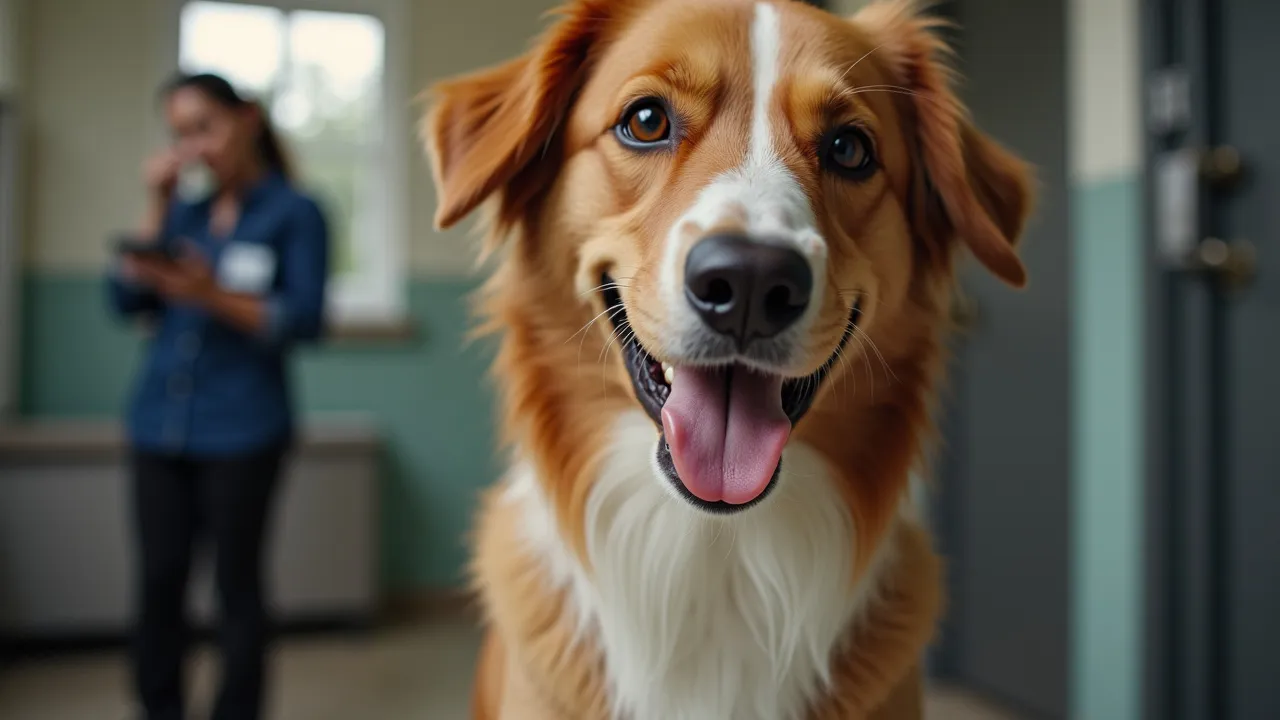
Observed on July 21st, No Pet Store Puppies Day advocates against buying puppies from pet stores to combat puppy mills. Learn how to adopt, rescue, and promote ethical pet ownership.
The Historical Origins & Evolutionary Journey
No Pet Store Puppies Day, observed annually on July 21st, emerged from growing public awareness of the cruel practices behind the commercial pet trade. The day was established by a coalition of animal welfare groups, including the ASPCA and Humane Society, to educate consumers about the connection between pet store puppies and puppy mills.
The Foundational Catalyst
The early 2000s saw undercover investigations exposing horrific conditions in puppy mills—large-scale breeding facilities prioritizing profit over animal welfare. Documentaries like Dogs Behind Bars and reports from the Humane Society revealed that most pet store puppies originate from these mills, where dogs are kept in cramped, unsanitary cages without adequate veterinary care. This sparked a consumer movement demanding transparency and ethical sourcing.
The Legislative & Official Adoption
By 2010, several U.S. states had passed laws requiring pet stores to disclose the origin of puppies, and some municipalities banned the sale of commercially bred dogs altogether. No Pet Store Puppies Day was officially embraced by rescue organizations as a platform to promote adoption. The date July 21st was chosen symbolically—mid-summer, a time when shelters are often overcrowded with abandoned animals.
Modern Global Legacy
Today, the day has expanded beyond the U.S. to countries like Canada, the UK, and Australia. Social media campaigns like #NoPetStorePuppies have gone viral, and major retailers like Petco have stopped selling dogs entirely. The observance continues to evolve, with increasing emphasis on shutting down online pet sales and educating about backyard breeders.
How to Celebrate No Pet Store Puppies Day
Celebrating No Pet Store Puppies Day means taking action to end the demand for puppy mill puppies. Below is a comprehensive guide for individuals, schools, and organizations worldwide.
For Individuals
- Adopt, Don't Shop: Visit your local shelter or rescue group. Millions of dogs await homes, including purebreds.
- Spread Awareness: Share facts on social media using #NoPetStorePuppies. Tag friends and family.
- Boycott Pet Stores: Refuse to buy any live animals or pet supplies from stores that sell puppies.
- Volunteer: Offer time at a rescue, fostering a dog, or helping with adoption events.
For Schools & Educators
- Organize a classroom lesson on ethical pet ownership and puppy mill cruelty.
- Invite a local rescuer to speak about the importance of adoption.
- Create art projects featuring shelter dogs to raise awareness.
For Organizations & Businesses
- Host an adoption drive with discounted fees from partnering shelters.
- Donate a portion of July 21st sales to animal rescue groups.
- Implement a corporate policy banning pet store puppy purchases for office pets.
Global Variations
In the UK, the day coincides with campaigns against "puppy farms" (the local term). In Australia, pet stores are increasingly rare due to strict regulations, so focus shifts to online sellers. Across Europe, many countries have already banned pet store dog sales, so the day is used to celebrate adoption success stories.
The Puppy Mill Crisis: An Ongoing Tragedy
Puppy mills are commercial breeding facilities that prioritize profit over animal welfare. They often house hundreds of dogs in stacked wire cages, with minimal veterinary care, poor nutrition, and no socialization. Female dogs are bred every cycle until they can no longer produce, then discarded. The puppies, though often cute, may suffer from genetic defects and behavioral issues due to inbreeding and stressful conditions.
Scale of the Problem
The Humane Society estimates there are over 10,000 puppy mills in the U.S. alone, producing an estimated 2 million puppies annually. Most pet stores source from these mills, making consumer choice critical. The COVID-19 pandemic exacerbated the issue, as demand for pets soared and unethical breeders multiplied.
Economic and Ethical Dimensions
Puppy mill operations are largely unregulated or poorly enforced, especially in states like Missouri, Iowa, and Oklahoma. The economic incentive is strong: a single breeding pair can generate thousands of dollars per year with minimal overhead. Ethical consumers can disrupt this cycle by refusing to purchase from stores that sell live animals.
Adoption vs. Shopping: Making the Right Choice
One of the core messages of No Pet Store Puppies Day is that adoption is a superior option to buying from a pet store. Here’s why:
Benefits of Adoption
- Life Saving: Shelters have limited space; adopting frees up resources to help another animal.
- Health and Behavior: Rescue dogs often come with known temperaments and medical histories.
- Cost Effective: Adoption fees are significantly lower than pet store prices and often include vaccinations, spaying/neutering, and microchipping.
- Breaking the Cycle: Every adoption reduces demand for puppy mills.
Myths About Shelter Dogs
Common misconceptions include that shelter dogs are "damaged" or "mixed breeds only." In reality, about 25% of shelter dogs are purebred, and many are surrendered due to owner circumstances (moving, allergies, divorce), not behavioral issues. Reputable shelters assess dogs thoroughly to ensure good matches.
Legislative Progress and Advocacy
No Pet Store Puppies Day also serves as a call for stronger laws against puppy mills. Over the past decade, significant progress has been made:
U.S. Legislation
- Animal Welfare Act: Federal law sets minimal standards, but loopholes for "exempt" breeders are common.
- State Bans: California (2019) and Maryland (2021) banned pet store sales of commercially bred dogs. Similar bills are pending in many other states.
- Local Ordinances: Over 400 cities, including Los Angeles, Chicago, and New York, have enacted restrictions.
International Efforts
England banned third-party puppy sales (Lucy's Law) in 2020. Germany requires pet stores to provide proof of ethical sourcing. Canada is considering federal regulations. Advocacy groups continue to push for a unified global standard.
Corporate Responsibility and Pet Store Reform
Major pet supply retailers have shifted policies in response to consumer pressure. PetSmart stopped selling dogs in 1987, and Petco followed in 2018. However, many independent pet stores still sell puppies. Consumer action can drive change:
How to Influence Stores
- Research: Use websites like BoycottPetStores.com to find which local stores sell live animals.
- Complain: File a formal complaint with your local Better Business Bureau or animal control if conditions are questionable.
- Petition: Start or sign petitions urging stores to adopt humane policies.
- Support Ethical Alternatives: Shop only at stores that partner with rescues for adoption events.
Many stores have transitioned to "adoption centers" within their premises, which is a positive step. Consumers can reward this behavior with loyalty.
Online Puppy Sales: The New Frontier
The internet has given puppy mills a new outlet—online classifieds and websites. These sellers often use deceptive marketing, such as fake pedigrees and photoshopped images. No Pet Store Puppies Day increasingly addresses this threat.
Risks of Buying Online
- No opportunity to see the breeding facility.
- Puppies are often shipped in cargo holds, causing stress and illness.
- Many online sellers are unlicensed and unregulated.
Safe Alternatives
If you must buy from a breeder, choose a responsible one who welcomes visits, provides health clearances, and raises puppies in a home environment. Use referral services like the American Kennel Club's breeder referral list or breed-specific rescues.
Historical Timeline
Undercover Humane Society investigation exposes a massive puppy mill in Missouri, leading to public outcry and the first consumer boycotts of pet stores.
No Pet Store Puppies Day is first observed on July 21st, launched by animal welfare groups to coincide with summer adoption campaigns.
New York City passes a law requiring pet stores to disclose the origin of puppies, a model that many other cities adopt.
Petco announces it will stop selling dog food with artificial ingredients, but more importantly, reaffirms its policy of never selling dogs or cats.
California becomes the first U.S. state to ban the retail sale of commercially bred dogs, cats, and rabbits.
The UK enacts Lucy's Law, banning third-party puppy sales in England. The law is named after a Cavalier King Charles Spaniel rescued from a puppy farm.
Maryland passes a similar ban on pet store dog sales; more than 400 local ordinances are now in effect across the U.S.
No Pet Store Puppies Day gains global traction with campaigns in Canada, Australia, and Europe, emphasizing online sales regulation.