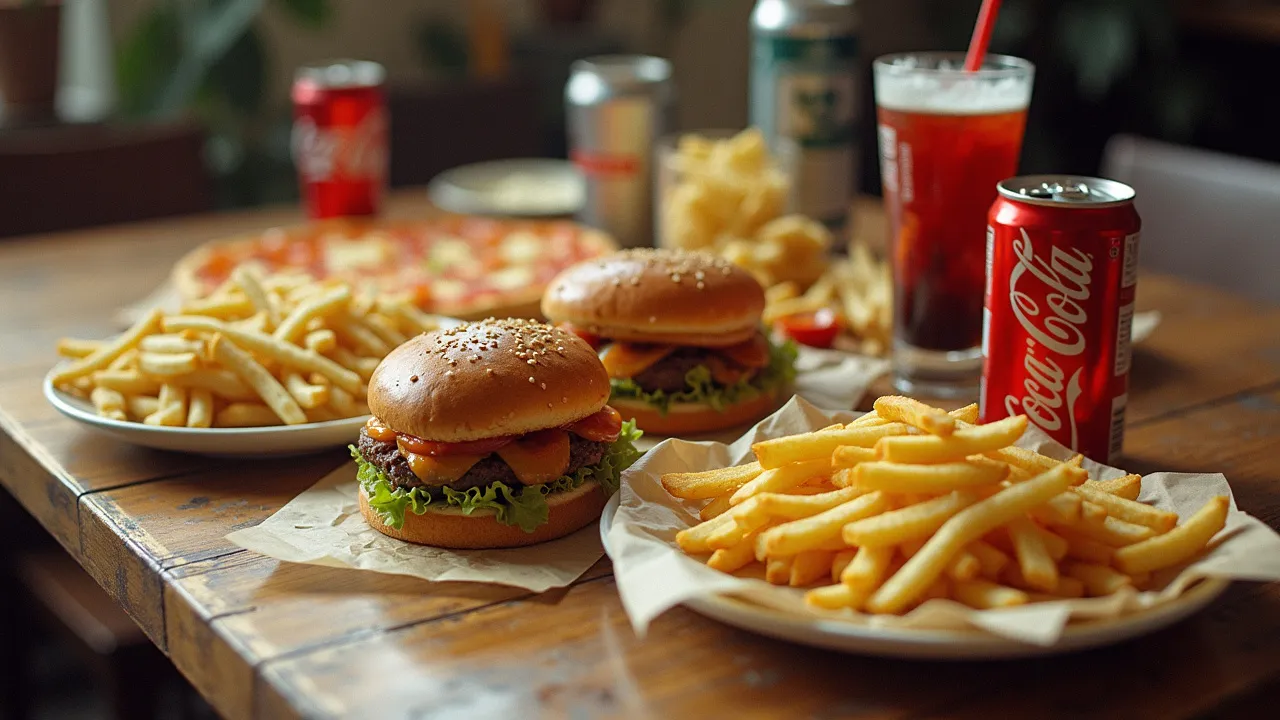
National Junk Food Day on July 21st celebrates the guilty pleasures of fast food, snacks, and sweets. It's a day to indulge in favorite treats without guilt, honoring the cultural and economic impact of junk food worldwide.
The Historical Origins & Evolutionary Journey
National Junk Food Day, observed annually on July 21st, is a relatively modern celebration that reflects the deep-rooted love for indulgent, calorie-dense foods. While its exact origins are murky, the day likely emerged from marketing campaigns in the 1990s aimed at boosting summer sales of snacks and fast food. The term 'junk food' itself was popularized in the 1970s by Michael Jacobson, a nutritionist who used it to describe foods with low nutritional value. However, the concept of such foods dates back centuries.
The Foundational Catalyst
The industrial revolution and mass production in the 19th and 20th centuries made processed foods cheap and accessible. Key innovations like the hamburger (evolved from the Hamburg steak), potato chips (invented in 1853 by George Crum), and carbonated beverages (late 1800s) laid the groundwork. The post-World War II era saw a boom in fast food chains, with McDonald's and KFC expanding globally. By the 1990s, junk food had become a cultural staple, leading to the informal creation of National Junk Food Day.
The Legislative/Official Adoption
Unlike many official holidays, National Junk Food Day has no government recognition. Instead, it was adopted by food companies, bloggers, and media as a fun, unofficial holiday. The date July 21st was chosen arbitrarily, possibly to break up the summer lull between Independence Day and Labor Day. Some sources credit the day to a marketing campaign by Baskin-Robbins, but no concrete evidence exists. Regardless, it has been celebrated in the U.S. and beyond since the early 2000s.
Modern Global Legacy
Today, National Junk Food Day is a global phenomenon, celebrated in social media posts, restaurant promotions, and home parties. It highlights the tension between indulgence and health consciousness. While some criticize it for promoting unhealthy eating, others see it as a harmless day of enjoyment. The day has also spawned counter-movements like National Healthy Eating Day, but its popularity endures.
How to Celebrate National Junk Food Day
Celebrating National Junk Food Day is all about guilt-free indulgence. Whether you prefer classic American fare, British sweets, or Asian street food, there are countless ways to join the fun. Here's a comprehensive guide for individuals, families, and organizations.
Individual and Family Celebrations
- Junk Food Feast: Gather your favorite treats—pizza, burgers, fries, ice cream, candy, and soda—for a themed dinner. Make it a potluck with friends.
- DIY Snack Bar: Set up a station with nachos, dips, popcorn, and sliders. Let everyone customize their plate.
- Movie Marathon: Pair classic films with movie theater snacks like buttered popcorn, nachos, and soda.
School and Community Events
- Host a 'Junk Food Fair' with booths featuring different snack categories (e.g., chips, cookies, candy).
- Organize a bake sale but focus on indulgent treats like brownies, doughnuts, and cookie sandwiches.
- Invite a local food truck to park on campus for lunch.
Corporate and Retail Celebrations
- Office Snack Break: Surprise employees with baskets of individually wrapped snacks. Consider healthier options too for balance.
- Social Media Campaigns: Run a #NationalJunkFoodDay contest asking followers to post their junk food spreads.
- Restaurant Specials: Offer limited-time items like a 'Junk Food Combo' or free dessert with purchase.
Globally, traditions vary. In the UK, celebrate with fish and chips and candy from a 'pick n mix'. In Japan, indulge in convenience store snacks like onigiri and Pocky. In Mexico, enjoy churros and elotes. The key is to savor local favorites.
Global Impact of Junk Food Culture
The junk food industry is a global economic powerhouse, worth over $500 billion. Its influence extends beyond consumption to advertising, agriculture, and public health. National Junk Food Day underscores this impact.
Economic Contributions
- Employment: Fast food and snack companies employ millions worldwide, from farmers to cashiers.
- Innovation: Constant product development—e.g., plant-based junk food, new flavors, and packaging—drives growth.
- Exports: Many countries export iconic junk foods like American soda, Swiss chocolate, and Belgian waffles.
Health and Societal Costs
Juxtaposed with economic benefits are health concerns. Obesity, diabetes, and heart disease have risen with junk food consumption. Governments have implemented taxes on sugary drinks and banned trans fats. National Junk Food Day sparks debate: is it a celebration or a reminder of unhealthy habits? Many use the day to advocate for moderation and reformulation of products.
Cultural Exchange
Junk food has become a cultural ambassador. American fast food chains have adapted menus to local tastes (e.g., McAloo Tikki in India, Teriyaki Burger in Japan). Similarly, global chips brands offer regional flavors like wasabi, peri-peri, and curry. This exchange fosters cross-cultural appreciation.
The Nutritional Debate: Indulgence vs. Health
National Junk Food Day reignites the long-standing tug-of-war between enjoyment and nutrition. While junk food is often high in calories, sugar, salt, and unhealthy fats, it also provides pleasure and convenience.
The Case for Guilt-Free Indulgence
Proponents argue that occasional treats are part of a balanced lifestyle. Strict denial can lead to binge eating. Designating a special day for indulgence can boost mental health and satisfy cravings. Moreover, not all junk food is equal; some products have added vitamins or are made from whole grains.
Healthier Twists
Many people use the day to experiment with healthier versions of junk food. For example, baked sweet potato fries instead of regular fries, air-popped popcorn with nutritional yeast, or dark chocolate with almonds. These options reduce guilt while preserving the snack experience.
Moderation Messages
Health organizations often use the day to promote moderation. Tips include: share a portion, avoid sugary drinks, and pair with water or fruit. The key is to enjoy without overindulging. National Junk Food Day can be a teachable moment about mindful eating.
Marketing and Media Influence on Junk Food Day
National Junk Food Day is a dream for marketers. Brands leverage the event to boost sales, increase engagement, and reinforce brand loyalty. The day is heavily promoted through targeted ads, influencer partnerships, and limited-time offers.
Key Marketing Strategies
- Limited Edition Products: Companies launch exclusive flavors or packaging. Examples: Doritos with 'Junk Food Day' special seasoning, or Coca-Cola with personalized labels.
- Social Media Campaigns: Hashtags like #JunkFoodDay and #TreatYourself trend on Twitter and Instagram. Brands encourage user-generated content featuring their products.
- Collaborations: Cross-brand partnerships (e.g., Taco Bell and Doritos) create buzz. Some chains offer free items with purchase.
Consumer Participation
Consumers become co-creators by posting photos, recipes, and reviews. This user-generated content amplifies reach. Critics argue this normalizes unhealthy eating, but supporters see it as fun and empowering.
Media coverage often highlights the day's irony—celebrating foods linked to obesity. This controversy actually drives more attention, benefiting brands. In recent years, some companies have balanced promotion with health messages, offering smaller portions or donating meals to charity.
Environmental and Ethical Considerations
Junk food production has environmental and ethical implications that are often overlooked. From packaging waste to palm oil sourcing, National Junk Food Day can prompt reflection.
Packaging and Waste
Most junk food comes in single-use plastic or non-recyclable wrappers. On this day, the spike in consumption leads to more litter. Eco-conscious alternatives like compostable packaging or bulk bins are gaining traction. Some companies have pledged to reduce plastic by 2025.
Ingredients and Supply Chains
Palm oil, a common ingredient, is linked to deforestation and habitat destruction. Similarly, cocoa production involves child labor in some regions. Ethical brands source certified sustainable ingredients. Consumers are encouraged to choose products with Fair Trade or Rainforest Alliance labels.
Animal Welfare
Many junk foods contain animal products—cheese, meat, eggs—often from factory farms. Plant-based junk food alternatives (e.g., vegan nuggets, dairy-free ice cream) are becoming popular. National Junk Food Day can be celebrated with cruelty-free options.
Historical Timeline
George Crum, a chef in Saratoga Springs, New York, accidentally invents potato chips after a customer complained about thick fried potatoes.
The first commercial hamburger is sold at a lunch wagon in New Haven, Connecticut, by Louis Lassen.
The first chocolate chip cookie is invented by Ruth Wakefield at the Toll House Inn in Massachusetts.
Colonel Harland Sanders begins franchising Kentucky Fried Chicken, popularizing fast food.
The term 'junk food' is popularized by Michael Jacobson, co-founder of the Center for Science in the Public Interest, to label foods with low nutritional value.
National Junk Food Day is reportedly first celebrated, likely originating from a marketing campaign by Baskin-Robbins or similar companies.
The World Health Organization adopts a global strategy on diet, physical activity, and health, targeting junk food and sugary drinks.
California enacts the first state law requiring restaurants to display calorie counts on menus.
The COVID-19 pandemic leads to a surge in junk food consumption as people stockpile comfort foods, with global sales exceeding $600 billion.