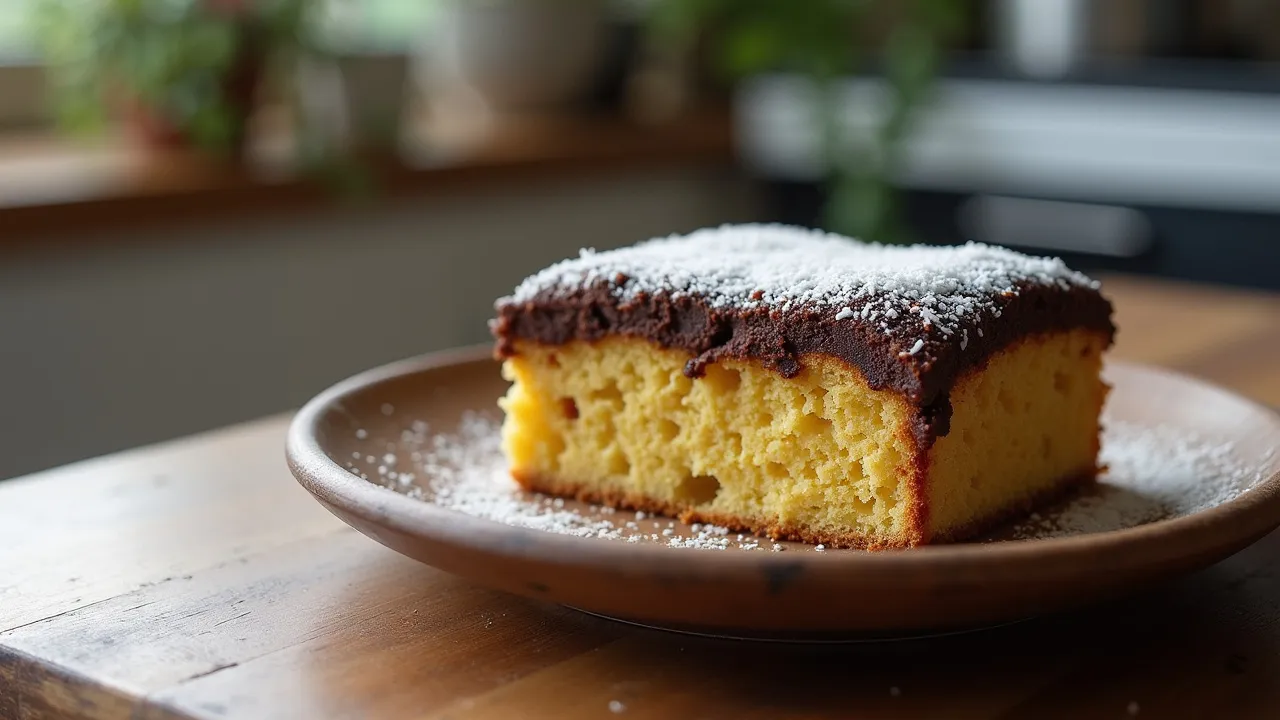
National Lamington Day on July 21st celebrates Australia's iconic chocolate-coconut sponge cake. Discover its history, how to enjoy it, and why this treat has become a beloved national symbol.
The Historical Origins & Evolutionary Journey
National Lamington Day, observed on July 21st, honors the Lamington—a quintessentially Australian dessert consisting of sponge cake squares dipped in chocolate sauce and rolled in desiccated coconut. Its origin story is steeped in colonial lore, with multiple claims vying for authenticity.
The Foundational Catalyst
The most widely accepted narrative attributes the Lamington to Lord Lamington, Governor of Queensland from 1896 to 1901. According to legend, his cook inadvertently dropped sponge cake into melted chocolate, and to avoid waste, rolled it in coconut to minimize mess. This happy accident occurred at Toowoomba's Harlaxton House around 1900. However, food historians note that the first printed recipe appeared in 1900 in The Queenslander newspaper, suggesting a pre-existing tradition.
The Legislative/Official Adoption
In 2006, the Australian government officially recognized the Lamington as a national icon through the "National Lamington Day" initiative, spurred by the Australian Lamington Association. The day was set for July 21st to coincide with the peak of winter—a perfect time for comfort food. The association promoted the day as a way to preserve culinary heritage and support local bakeries.
Modern Global Legacy
Today, Lamingtons are celebrated beyond Australia, with variations in New Zealand, South Africa, and the United Kingdom. The day has evolved into a social media phenomenon, with home bakers and professional pastry chefs sharing creative twists—from lemon curd fillings to vegan adaptations. Food festivals in Sydney and Melbourne feature Lamington-making competitions, and charities use the day to raise funds through cake sales.
How to Celebrate National Lamington Day
Participating in National Lamington Day is deliciously simple. Here is the ultimate guide to celebrating on July 21st, whether at home, school, or work.
For Individuals and Families
- Bake from scratch: Use a classic recipe with butter cake, homemade chocolate icing, and fresh coconut. Involve children in rolling the cakes.
- Host a Lamington tea party: Invite friends for afternoon tea with Lamingtons, scones, and Anzac biscuits.
- Explore variations: Try chocolate-filled Lamingtons, gluten-free versions, or tropical coconut lime varieties.
For Schools and Communities
- Organize a Lamington bake sale to raise funds for local causes.
- Hold a decorating contest with amateur and professional categories.
- Teach a cooking class on Australian colonial history through food.
For Businesses and Organizations
- Offer free Lamington samples in offices or cafes.
- Create limited-edition Lamington desserts (e.g., Lamington cheesecake, Lamington trifle).
- Partner with the Australian Lamington Association for promotional events.
International participants can adapt by using local ingredients—coconut is universal, but sponge cake may be swapped for genoise or ladyfingers.
Global Impact and Cultural Significance
While rooted in Australian culture, the Lamington has achieved global recognition as a symbol of resourcefulness and comfort. Its simplicity—basic ingredients transformed into a beloved treat—resonates across cultures. In New Zealand, Lamingtons are often filled with cream or jam, reflecting British influence. The day has also sparked discussions about colonial culinary heritage, with debates over whether the Lamington represents indigenous or settler contributions. Today, National Lamington Day is a platform for culinary diplomacy, with Australian embassies hosting events abroad.
Regional Variations and Unique Traditions
Although July 21st is the primary date for National Lamington Day, some regions observe alternative dates due to local events. For example, in Queensland, where the Lamington originated, a separate Lamington Festival is held in August. Internationally, the day aligns with Australia Day (January 26) in some diaspora communities. Key variations include:
- Australia: Traditional sponge with chocolate and coconut; often served at school fetes.
- New Zealand: Often filled with whipped cream or raspberry jam; coconut coating may be tinted pink.
- South Africa: Called "ystervarkies" (porcupines), featuring chocolate and coconut but sometimes coated in nuts.
- United Kingdom: Known as "chocolate coconut squares", often sold in charity bake sales.
These variations highlight how a simple recipe adapts to local tastes while retaining its core identity.
Nutritional Profile and Health Considerations
Lamingtons are a moderate-indulgence treat. A standard square (about 60g) contains approximately 200–250 calories, with 10g fat (mostly saturated from coconut and chocolate), 30g carbs (including 20g sugar), and 2–3g protein. The sponge base can be made healthier using wholewheat flour or reducing sugar. For those with dietary restrictions:
- Vegan: Use plant-based milk and egg replacer; ensure chocolate is dairy-free.
- Gluten-free: Substitute flour with almond or rice flour.
- Low-sugar: Use erythritol and dark chocolate with 90% cocoa.
National Lamington Day encourages mindful enjoyment—one piece as part of a balanced diet.
Industry and Economic Impact
The Lamington industry contributes significantly to Australia's bakery sector. On National Lamington Day alone, bakeries report a 300% increase in sales of Lamingtons. The day supports local producers of coconut, cocoa, and flour. Additionally, tourism boards leverage the day to promote culinary experiences, offering Lamington-making classes in coastal towns. The global reach of the observance has boosted Australian food exports, with frozen Lamingtons shipped to overseas markets.
Historical Timeline
First known print recipe for Lamingtons appears in The Queenslander newspaper, suggesting the cake predates this publication.
Legend attributes the creation to Lord Lamington’s cook at Harlaxton House, Toowoomba.
Australian government recognizes Lamington as a national icon; National Lamington Day is proposed by the Australian Lamington Association.
First official National Lamington Day celebrated on July 21st, with events across Australia.
New Zealand launches its own National Lamington Day on a different date (August 20) to celebrate local variations.
Worldwide pandemic leads to virtual celebrations; home bakers share creations on social media using #NationalLamingtonDay.