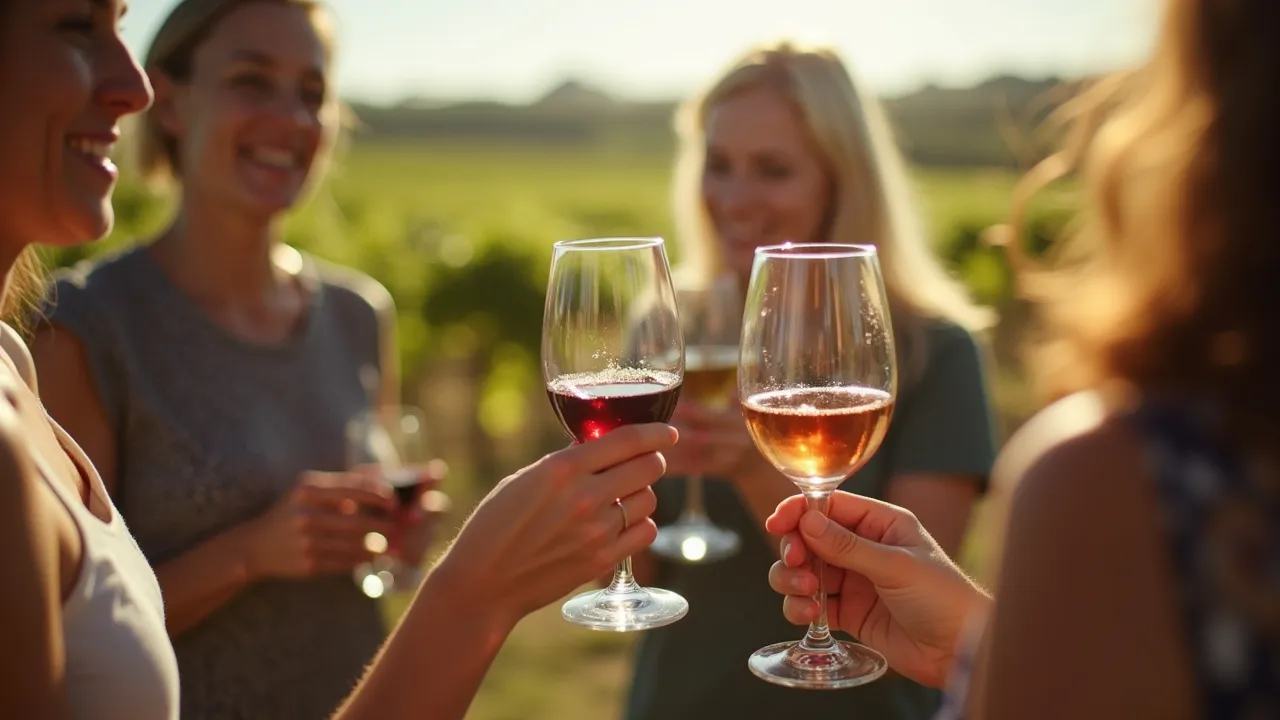
National Wine Day on May 25th celebrates the rich history, cultural significance, and global love of wine. From ancient vineyards to modern tastings, it's a day to raise a glass and explore varietals worldwide.
The Historical Origins & Evolutionary Journey
The story of National Wine Day is intrinsically linked to humanity's ancient relationship with wine itself. While the modern celebration on May 25th is a relatively recent phenomenon, the roots of wine culture span over 8,000 years. Archaeological evidence points to the earliest known winemaking in the Caucasus region (modern-day Georgia and Armenia) around 6000 BCE.
The Foundational Catalyst
Wine played a central role in ancient civilizations: from the religious rituals of the Egyptians (where wine was considered a gift from the gods) to the symposiums of Greece and the vast trade networks of the Roman Empire. The Roman expansion spread viticulture across Europe, establishing regions like Bordeaux, Burgundy, and the Rhine Valley that remain iconic today. The Middle Ages saw monasteries preserve and refine winemaking techniques, while the Age of Exploration brought vines to the Americas, South Africa, and Australia.
The Legislative/Official Adoption
National Wine Day, as an unofficial holiday, emerged in the early 21st century primarily in the United States. It was popularized through social media campaigns and wine industry marketing, with May 25th chosen to coincide with the start of the summer wine festival season. Unlike federal holidays, it lacks official government recognition but is widely observed by wineries, retailers, and enthusiasts. The day is distinct from National Drink Wine Day (February 18) and World Wine Day (various dates).
Modern Global Legacy
Today, National Wine Day has evolved into a global phenomenon, celebrated not only in the U.S. but also in countries like Italy, France, Argentina, and Australia. It serves as both a commercial driver (with tastings, discounts, and events) and a cultural touchpoint that promotes wine education, responsible consumption, and appreciation of terroir. The day also highlights sustainability movements within the wine industry, from organic farming to natural winemaking.
How to Celebrate National Wine Day
Whether you're a seasoned sommelier or a casual sipper, National Wine Day offers endless opportunities to explore and enjoy wine. Below are actionable strategies for individuals, groups, and communities around the world.
Individual Celebrations
- Host a Solo Tasting: Pick 3-4 wines from different regions (e.g., a Napa Cabernet, a Bordeaux blend, a New Zealand Sauvignon Blanc) and compare notes using a flavor wheel.
- Wine and Food Pairing Night: Experiment with classic pairings like Pinot Noir with mushroom risotto or Chardonnay with buttery lobster.
- Take a Virtual Wine Class: Many wineries and online platforms offer guided tastings via Zoom with expert educators.
Group & Social Events
- Wine Tasting Party: Ask each guest to bring a bottle in a brown bag. Everyone tastes and votes on their favorite. Reveal labels at the end.
- Wine and Paint Night: Host a creative session where participants paint while sipping themed wines (e.g., red wine for a sunset scene).
- Wine Tour Outing: Visit local vineyards or urban wine bars. Many offer free tastings on May 25th.
Global Traditions
- France: Many regions celebrate with open chateaux visits, wine fairs, and communal apéritifs.
- Italy: Festa del Vino includes tastings of local varietals like Sangiovese and Prosecco, often paired with regional cuisine.
- Argentina: Buenos Aires hosts street wine festivals with Malbec-focused events and live music.
- Japan: Wine bars in Tokyo feature special flights featuring both imported and domestic Japanese wines (e.g., Koshu).
For those preferring a digital celebration, social media hashtags like #NationalWineDay and #WineDay connect enthusiasts globally, with wineries offering live-streamed tastings and exclusive discounts.
Wine Production and Regional Varietals
Understanding the diversity of wine starts with its production methods and the concept of terroir—the unique combination of soil, climate, and human touch that makes each wine distinct.
Major Wine Regions
- Bordeaux, France: Known for blends of Cabernet Sauvignon, Merlot, and Cabernet Franc. Produces some of the world's most expensive wines.
- Napa Valley, USA: Celebrated for bold Cabernet Sauvignons and rich Chardonnays, with a focus on new-world style.
- Mendoza, Argentina: The epicenter of Malbec production, offering high-altitude wines with intense fruit flavors.
- Barossa Valley, Australia: Famous for Shiraz, with old vines dating back to the 1840s.
- Chianti, Italy: Sangiovese-based reds that range from everyday table wines to complex Riservas.
Wine Production Techniques
- Organic and Biodynamic: Grapes grown without synthetic pesticides or fertilizers, often following lunar cycles.
- Natural Wines: Minimal intervention, no added sulfites, and spontaneous fermentation.
- Traditional vs. Charmat Method: For sparkling wines, Champagne uses secondary fermentation in bottle; Prosecco uses tank method for freshness.
The global wine market is valued at over $340 billion, with consumption per capita highest in Portugal, Italy, and France. Red wine accounts for nearly 40% of global consumption, followed by white and rosé.
Wine and Health: Benefits and Risks
Moderate wine consumption has been studied for centuries, particularly in the context of the French Paradox—the observation that despite a diet rich in saturated fats, the French have low rates of heart disease, attributed partly to red wine.
Potential Health Benefits
- Antioxidants: Resveratrol and flavonoids in red wine may reduce inflammation and protect cells from damage.
- Heart Health: Moderate intake can improve HDL cholesterol and reduce blood clot risk.
- Longevity: Some studies link moderate wine drinkers to longer life spans compared to non-drinkers or heavy drinkers.
Risks and Considerations
- Alcohol Dependence: Any alcohol carries addiction risk, especially with heavy or binge drinking.
- Cancer: The World Health Organization classifies alcohol as a Group 1 carcinogen, with clear links to breast, liver, and colorectal cancers.
- Calories: A standard 5-ounce glass of wine contains 120-130 calories; overconsumption can contribute to weight gain.
The dietary guidelines recommend up to one drink per day for women and two for men. On National Wine Day, emphasis should be on mindful enjoyment rather than excess.
Wine Tourism: Experiencing the Vineyard Lifestyle
Wine tourism has become a multi-billion-dollar industry, drawing travelers to picturesque vineyards, cellars, and wine festivals. National Wine Day is an ideal opportunity to plan a wine-themed getaway or virtual tour.
Top Wine Tourism Destinations
- Loire Valley, France: Stunning châteaux and crisp Chenin Blancs. Bike tours along the Loire River are popular.
- Tuscany, Italy: Rolling hills with Brunello and Chianti, agriturismo stays, and truffle pairing experiences.
- Willamette Valley, USA: Oregon's premier Pinot Noir region, known for sustainable vineyards and farm-to-table dining.
- Marlborough, New Zealand: Sauvignon Blanc with breathtaking mountains and coastal views, plus helicopter tours.
- Douro Valley, Portugal: Port wine terraces along the river, train rides, and wine cruises.
Accessible wine experiences also exist in emerging regions like Israel's Judean Hills, China's Ningxia, and India's Nashik Valley, where local wineries blend tradition with innovation.
Sustainability and the Future of Wine
Climate change poses significant threats to traditional winegrowing regions, altering grape ripening, sugar levels, and disease pressure. In response, the industry is embracing sustainability, organic viticulture, and even rewilding.
Environmental Challenges
- Rising Temperatures: Grapes are sensitive; even a 2°C increase can shift flavor profiles and reduce acidity, forcing producers to move to higher altitudes or cooler coastal areas.
- Water Scarcity: Regions like California and Spain must adopt drip irrigation and drought-resistant rootstocks.
- Wildfires: Smoke taint from wildfires (e.g., in Oregon or Australia) can ruin entire harvests.
Sustainable Practices
- Organic certification: No synthetic chemicals, promoting soil biodiversity.
- Biodynamics: Treating the vineyard as a closed ecosystem, using cow horns and herbal preparations.
- Carbon-neutral initiatives: Planting cover crops, using solar power, lightweight bottles, and offsetting emissions.
- Regenerative viticulture: Building soil health, sequestering carbon, and improving water retention.
The future of wine lies in innovation—such as producing pet-nats (ancient method sparkling) or using sea-aged wines—while preserving traditional wisdom. National Wine Day can be a platform to support producers committed to planet-friendly practices.
Historical Timeline
Earliest known winemaking in the Caucasus region (modern Georgia and Armenia) using clay jars.
Wine becomes central to Egyptian culture, used in religious ceremonies and buried with pharaohs.
Roman Emperor Probus lifts a ban on viticulture in Gaul, spurring growth of French vineyards.
Thomas Jefferson serves as U.S. ambassador to France, bringing back vines and inspiring American winemaking.
The Bordeaux Wine Official Classification is established, ranking châteaux into Crus.
The Judgment of Paris: California wines beat French in a blind tasting, putting New World wines on the map.
National Wine Day on May 25th gains traction in the United States through winery promotions and social media.
Virtual tastings surge during the COVID-19 pandemic, making wine more accessible globally.