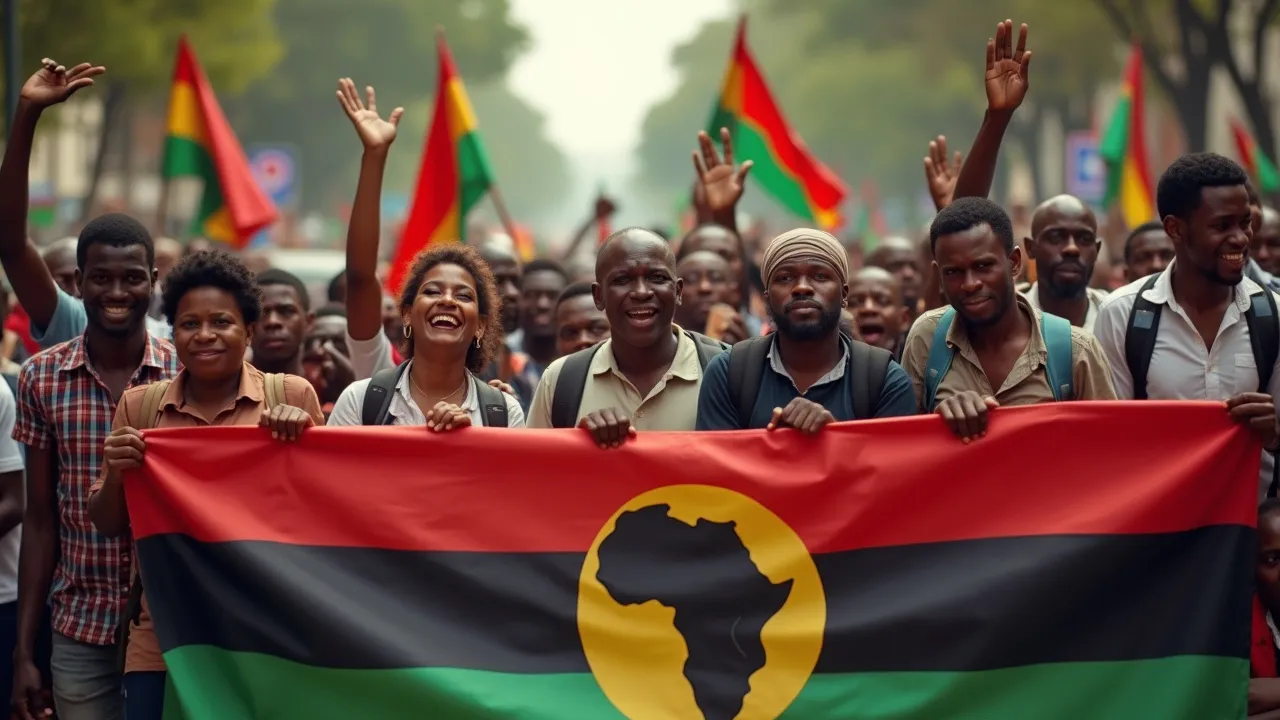
African Liberation Day, observed on May 25th, commemorates the founding of the Organization of African Unity and celebrates the ongoing struggle for freedom and unity across the African diaspora. It honors the resilience and achievements of African peoples worldwide.
The Historical Origins & Evolutionary Journey
African Liberation Day, observed annually on May 25th, is a pivotal commemoration of the founding of the Organization of African Unity (OAU) in 1963, which later evolved into the African Union (AU). This day stands as a testament to the collective struggle for independence, self-determination, and unity among African nations and the diaspora.
The Foundational Catalyst
The roots of African Liberation Day trace back to the First Conference of Independent African States held in Accra, Ghana, in April 1958. Leaders such as Kwame Nkrumah championed the idea of a unified Africa free from colonial rule. This conference laid the groundwork for the eventual establishment of the OAU. The date May 25th was chosen to mark the anniversary of the OAU's founding in 1963, when 32 newly independent African states signed the OAU Charter in Addis Ababa, Ethiopia.
The Legislative/Official Adoption
Immediately after the OAU's formation, the day was designated as Africa Day in many member states, celebrating African unity and liberation. Over time, it gained broader recognition within the diaspora, particularly in the Caribbean, North America, and Europe, as African Liberation Day. In 1972, the OAU officially declared May 25th as a day of solidarity and reflection. The name 'African Liberation Day' was popularized by the African Liberation Support Committee in the 1970s, which organized mass rallies and educational campaigns across the United States and Canada.
Modern Global Legacy
Today, African Liberation Day is celebrated not only in Africa but also in diaspora communities worldwide. Events include parades, cultural festivals, academic conferences, and political rallies. The African Union continues to use the day to highlight ongoing challenges such as neocolonialism, economic inequality, and political instability, while also celebrating Africa's potential. The day has also evolved into a platform for promoting Pan-Africanism and the African Renaissance, emphasizing the continent's cultural heritage and economic resurgence.
How to Celebrate African Liberation Day
Celebrating African Liberation Day is a powerful way to honor the history and future of African peoples. Here are actionable strategies for individuals, schools, and organizations:
- Attend or Organize a Parade – Many cities host parades featuring traditional music, dance, and Pan-African flags. Contact local African cultural centers to participate.
- Host an Educational Workshop – Schools and community groups can organize seminars on African history, the OAU/AU, and key liberation figures. Use multimedia resources to engage participants.
- Prepare Traditional Cuisine – Cook dishes from various African regions, such as jollof rice, injera, or fufu, and share them with friends and family. This fosters cultural appreciation.
- Support African-Owned Businesses – Make a conscious effort to purchase goods from African entrepreneurs, whether online or locally.
- Wear Pan-African Colors – Don red, black, and green attire to symbolize unity and solidarity.
Around the world, traditions vary:
- In Ghana: The day is marked by state-sponsored lectures and cultural performances, especially in Accra.
- In the United States: Communities in Washington D.C. and New York host rallies and panel discussions on African diasporic issues.
- In Jamaica: Events often blend Rastafarian celebrations with Pan-African themes, including reggae concerts and symposiums.
- In South Africa: The AU and government organize forums on continental integration and development.
Global Impact and Unity
African Liberation Day serves as a global platform to address issues affecting people of African descent worldwide. It highlights the interconnectedness of liberation movements across continents, from the Civil Rights Movement in the U.S. to the anti-apartheid struggle in South Africa. The day promotes solidarity against systemic racism, economic exploitation, and political oppression. International organizations use this day to launch campaigns for debt relief, fair trade, and climate justice for African nations. The African Union often releases a theme each year, such as 'Silencing the Guns' or 'Winning the Fight Against Corruption,' to focus collective efforts.
Diaspora communities in Europe and the Americas use the day to reconnect with their roots. Cultural exchanges, such as film screenings and art exhibitions, foster mutual understanding. The day also underscores the economic potential of Africa, with forums on investment and trade partnerships. By emphasizing unity, African Liberation Day reinforces the idea that African development is a shared global responsibility.
Cultural Expression and Art
Artistic expression is central to African Liberation Day celebrations. Music, dance, and visual arts are used to convey themes of resistance, hope, and identity. Traditional drumming and dance performances connect participants to ancestral practices, while contemporary hip-hop and reggae acts speak to modern struggles. Galleries and museums often host exhibitions featuring African artists, highlighting both historical and contemporary works.
Literature also plays a key role. Readings from authors like Chinua Achebe, Ngũgĩ wa Thiong'o, and Maya Angelou are common. Film screenings of classics such as 'Sankofa' or documentaries about decolonization provide educational experiences. Street art and murals depicting Pan-African leaders like Marcus Garvey and Thomas Sankara appear in urban centers. These cultural expressions not only celebrate but also preserve and transmit African heritage to younger generations.
Economic Empowerment and Development
African Liberation Day is increasingly used to promote economic self-sufficiency and entrepreneurship. Initiatives such as Africa Day Business Forums connect investors with local enterprises. The day emphasizes the need for intra-African trade, as championed by the African Continental Free Trade Area (AfCFTA). Workshops on financial literacy and technology adoption help communities leverage digital opportunities.
Diaspora remittances are highlighted as a vital resource for development. Campaigns encourage members of the diaspora to invest in African startups or real estate. The day also serves as a reminder of historical economic injustices, such as resource extraction and unfair debt structures, and advocates for equitable global economic policies. By focusing on African solutions to African problems, the day fosters a mindset of collective empowerment.
Educational Initiatives and Youth Engagement
Education is a cornerstone of African Liberation Day. Many schools incorporate lessons on African history, colonialism, and decolonization into their curriculum on or around May 25th. Universities host symposia with historians and activists. Youth organizations run essay contests, debates, and leadership workshops to engage the next generation.
The day also addresses contemporary educational challenges, such as access to quality schooling in rural Africa and the need for African-centered curricula. Online platforms provide free resources, including documentaries and reading lists, to encourage self-study. Initiatives like Afrikan Liberation Day Youth Summits empower young people to become advocates for social justice. By investing in youth, the day ensures that the principles of Pan-Africanism and liberation endure.
Historical Timeline
First Conference of Independent African States held in Accra, Ghana, laying the groundwork for a unified Africa.
Organization of African Unity (OAU) founded on May 25 in Addis Ababa, Ethiopia, with 32 member states signing the charter.
OAU officially declares May 25 as Africa Day, later adopted as African Liberation Day by diaspora movements.
OAU transforms into the African Union (AU), broadening its focus to include economic integration and development.
60th anniversary of the OAU; African Liberation Day celebrated globally with renewed calls for unity and self-determination.