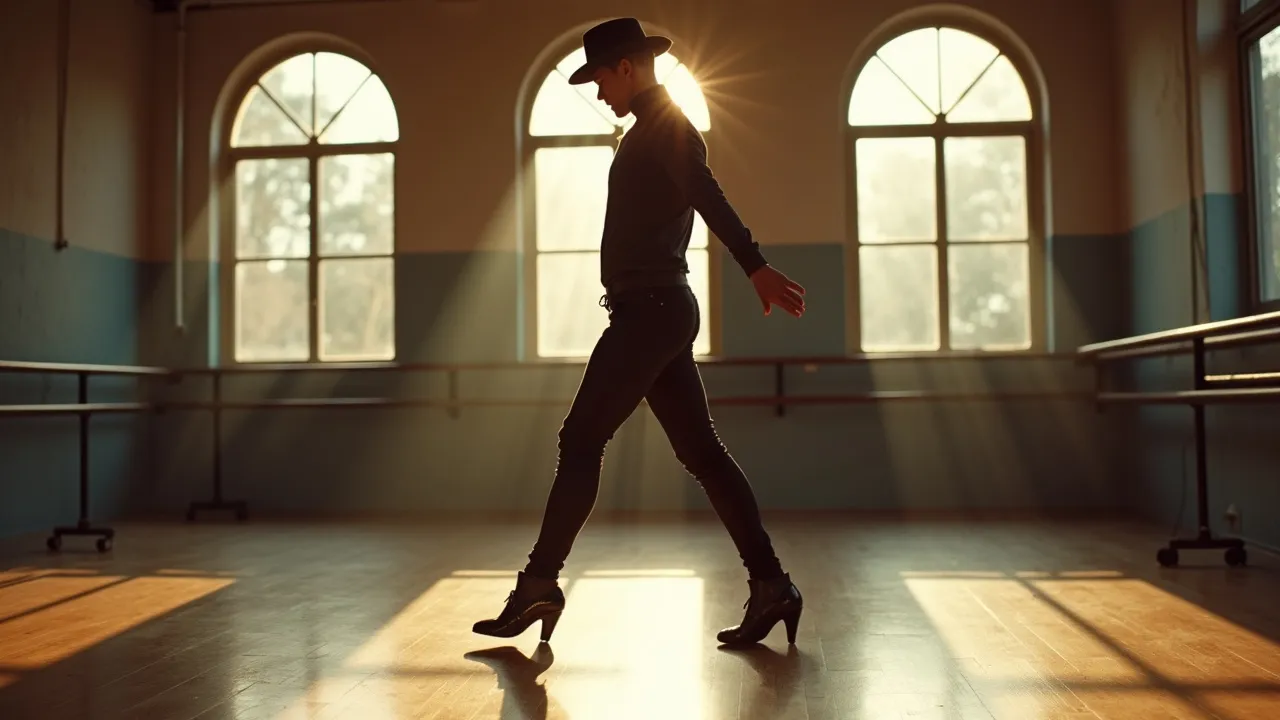
National Tap Dance Day, celebrated on May 25th, honors the birth of legendary hoofer Bill 'Bojangles' Robinson and the rhythmic art of tap dance. It's a day to appreciate the uniquely American dance form's history, cultural influence, and joyful expression through percussive footwork.
The Historical Origins & Evolutionary Journey
National Tap Dance Day was formally established by the U.S. Congress in 1989, designating May 25th—the birthday of iconic tap dancer Bill 'Bojangles' Robinson—as a day to celebrate the art form. However, the roots of tap dance stretch back centuries, intertwining African, Irish, and English dance traditions.
The Foundational Catalyst
Tap dance emerged in the mid-19th century from the fusion of African American rhythmic foot stomping and Irish step dancing. Enslaved Africans in the American South continued their drumming traditions using feet, while Irish immigrants brought jigs and reels. The combination gave rise to a new percussive dance style, first documented in the 1820s in minstrel shows. By the 1900s, tap had become a staple of vaudeville, Broadway, and Hollywood. Key figures like John Bubbles, the Nicholas Brothers, and Eleanor Powell advanced the technique, but none so profoundly as Bill Robinson, whose legendary stair dance and clean style made him a household name.
The Legislative/Official Adoption
In 1988, a grassroots campaign led by tap dancers and historians, including Judy Ann Bassing and Brenda Bufalino, petitioned Congress to honor Robinson and tap dance. The bill passed unanimously, and President Ronald Reagan signed it into law on November 8, 1988, making May 25, 1989, the first official National Tap Dance Day. The proclamation recognized tap as 'a uniquely American art form that brings joy to people of all ages.'
Modern Global Legacy
Today, tap dance thrives worldwide. Festivals like the Tap City Tap Festival in New York and London's Tap Dance Festival draw thousands. Social media has revived interest, with viral tap challenges and online classes. Tap's rhythmic complexity continues to influence contemporary music, theater, and even fitness programs.
How to Celebrate National Tap Dance Day
National Tap Dance Day offers countless opportunities to engage with the art form. Whether you are a seasoned hoofer or a curious beginner, here are actionable ways to participate.
For Individuals
- Take a class: Many dance studios offer free or discounted beginner tap classes on May 25th. Search online for local offerings.
- Watch a performance: Stream classic tap films like Stormy Weather (1943) featuring the Nicholas Brothers, or attend a live show at a nearby theater.
- Jam with others: Join a 'tap jam'—an open mic for tap dancers—often organized in parks or community centers.
- Learn a routine: Follow a YouTube tutorial to master a basic step (shuffle, flap, toe tap) and share your progress.
For Schools & Organizations
- Host a workshop: Invite a local tap dancer to lead a session for students or staff.
- Organize a flash mob: Choreograph a simple tap routine in a public space to surprise and delight passersby.
- Educational programs: Teach the history of tap dance, highlighting its African American roots and contributions to American culture.
Corporate & Social Rituals
Businesses can celebrate by hosting a lunchtime tap break, offering step challenges on fitness trackers, or sponsoring a local dance company. Many cities hold special events: in New York, the annual 'Tap Extravaganza' at Symphony Space; in Los Angeles, a sidewalk tap celebration near Hollywood Boulevard.
Global Variations
While May 25th is the primary date in the U.S., some countries observe Tap Dance Day on different dates. For instance, the United Kingdom celebrates National Tap Dance Day on the last Saturday in June, aligning with the British Tap Dance Festival. In Australia, some cities have their own designated days. Always check local listings.
Global Impact & Cultural Influence
Tap dance has transcended borders, influencing dance forms worldwide. In Japan, 'step dance' schools teach American tap with precision. In Germany, tap is integrated into contemporary ballet. The universality of rhythm makes tap a bridge between cultures.
Tap in Film and Television
From Fred Astaire's elegant routines in the 1930s to Happy Feet (2006) and La La Land (2016), tap remains a visual storytelling tool. Broadway shows like 42nd Street and Anything Goes rely on tap for spectacle.Social Media Revolution
Platforms like TikTok have seen tap dancers gain millions of followers, with hashtags like #TapDanceDay trending annually. This exposure has inspired a new generation to take up the art.Notable Figures in Tap Dance History
Tap dance owes its evolution to pioneers who pushed technical and artistic boundaries.
- Bill 'Bojangles' Robinson (1878–1949): Known for his upright style and stair dance, he broke racial barriers in Hollywood, becoming the first African American to headline a white-produced film.
- John Bubbles (1902–1986): Creator of 'rhythm tap,' he introduced complex syncopation and slower tempos.
- The Nicholas Brothers (Fayard & Harold): Acrobatic geniuses who blended tap with flips and splits, featured in films like Stormy Weather.
- Eleanor Powell (1912–1982): The first female tap superstar, known for her powerful, fast footwork in MGM musicals.
- Gregory Hines (1946–2003): Revitalized tap in the 1980s with a loose, jazzy style, starring in Tap (1989) and White Nights.
- Savion Glover (b. 1973): Brought tap into the 21st century with aggressive, percussive 'foot music,' winning a Tony for Bring in 'da Noise, Bring in 'da Funk.
Health Benefits of Tap Dancing
Beyond artistry, tap dance offers significant physical and mental health benefits.
Physical Advantages
- Cardiovascular fitness: Tap is aerobic, improving heart health and stamina.
- Coordination and balance: The precise footwork enhances proprioception and motor skills.
- Lower body strength: Repeated tapping and weight shifts build calf, shin, and thigh muscles.
Mental & Emotional Well-being
- Cognitive challenge: Learning routines stimulates memory and pattern recognition.
- Stress relief: The rhythmic repetition and musicality promote relaxation and mood elevation.
- Social connection: Group classes and performances foster community and reduce isolation.
Studies show regular dance practice can delay age-related cognitive decline and improve neural plasticity.
Educational Programs & Preservation Efforts
To ensure tap dance endures, numerous organizations work to document and teach the art.
Key Institutions
- American Tap Dance Foundation (ATDF): Founded by Brenda Bufalino, the ATDF archives tap history and runs the Tap City Festival in New York City.
- Tap Legacy Foundation: Preserves the works of Gregory Hines and other masters through performances and workshops.
- School districts: Some U.S. schools include tap in physical education and arts curricula, often funded by grants.
Online Resources
Websites like ATDF.org offer virtual classes, historical timelines, and teacher directories. YouTube channels like 'Tap With Me' provide free tutorials for all levels.
Historical Timeline
Bill 'Bojangles' Robinson is born in Richmond, Virginia, on May 25. He would become the most famous tap dancer of his era.
John Bubbles is born; he later develops 'rhythm tap,' shifting tap from time-stepping to syncopated musical expression.
The Nicholas Brothers perform in 'The Kid from Spain,' launching their film career with acrobatic tap routines.
Bill Robinson dies at age 71. His funeral draws thousands, reflecting his cultural impact.
U.S. Congress passes a joint resolution establishing National Tap Dance Day, signed by President Reagan on November 8.
First official National Tap Dance Day celebrated on May 25. Events held across the country, including a star-studded tribute at the Kennedy Center.
Savion Glover wins a Tony Award for choreography in 'Bring in 'da Noise, Bring in 'da Funk,' sparking a tap renaissance.
Tap City Festival becomes a week-long international event, drawing dancers from over 20 countries.
Virtual tap jams and classes surge during the COVID-19 pandemic, expanding global access.