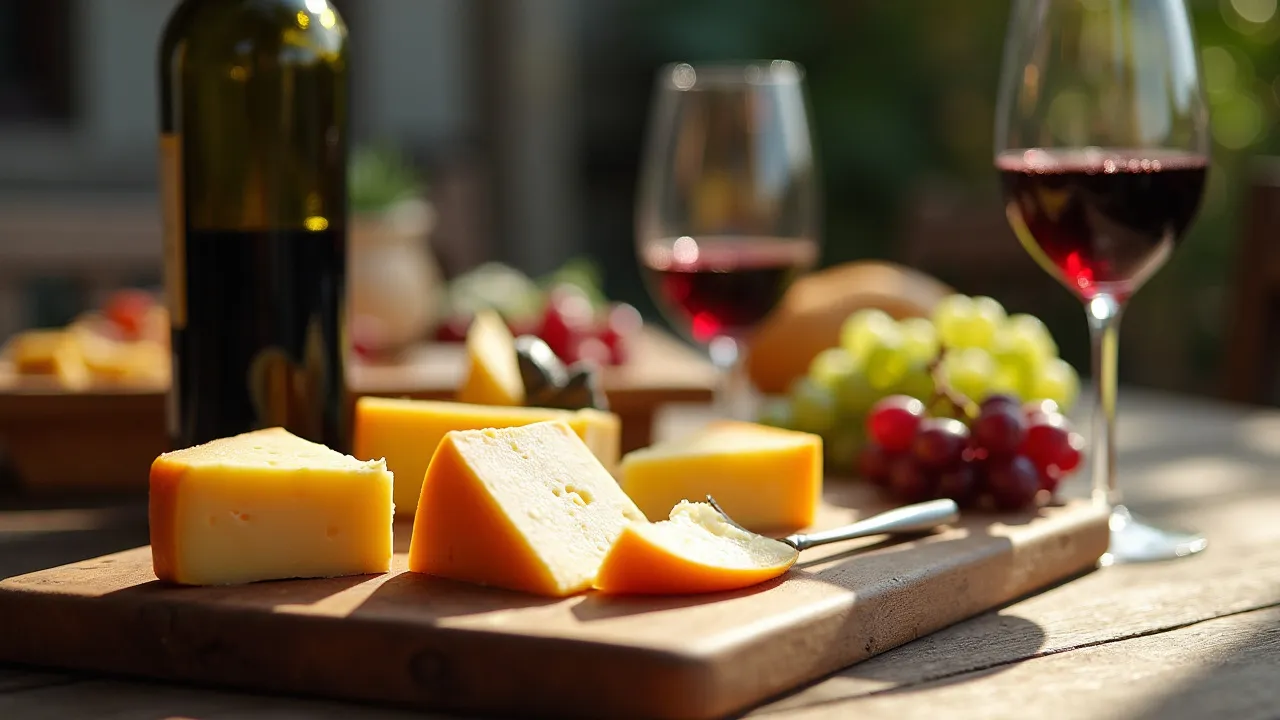
National Wine and Cheese Day, observed on July 25th, celebrates the timeless pairing of wine and cheese. Explore its history, global traditions, and perfect pairings to elevate your appreciation.
The Historical Origins & Evolutionary Journey
Wine and cheese have been paired for millennia, with roots in ancient Mesopotamia, Egypt, Greece, and Rome. The formal celebration of National Wine and Cheese Day, however, is a relatively modern phenomenon, likely emerging in the United States during the late 20th century as a social marketing tool to promote wine and dairy industries.
The Foundational Catalyst
In the 1970s and 1980s, wine and cheese parties became a staple of American social gatherings, popularized by lifestyle magazines and the rise of gourmet food culture. This trend dovetailed with the growth of the wine industry in California, which sought to broaden consumer appreciation. The specific date of July 25th may have been chosen arbitrarily, as it falls during a period when many wineries host summer tastings and fresh cheeses are in season.
The Legislative/Official Adoption
There is no record of official government or legislative proclamation for National Wine and Cheese Day. Instead, it gained traction through grassroots efforts, food bloggers, and calendar companies that list niche food holidays. By the 2000s, it became widely recognized in the United States and, via the internet, globally.
Modern Global Legacy
Today, the day is celebrated across continents with events ranging from formal wine and cheese tastings at vineyards to casual picnics. It has encouraged a deeper understanding of terroir, fermentation, and sustainable agriculture. The holiday also exists in other countries on different dates, such as France's 'Journee du Vin et du Fromage' in May.
How to Celebrate National Wine and Cheese Day
Whether you're a connoisseur or a casual enthusiast, National Wine and Cheese Day offers a perfect excuse to explore pairings. Below are comprehensive strategies for individuals, groups, and organizations.
For Individuals & Couples
- Host a Tasting at Home: Select 3-5 wines (e.g., Chardonnay, Pinot Noir, Cabernet Sauvignon) and pair them with complementary cheeses (Brie, Gouda, aged Cheddar). Use a tasting sheet to note flavors.
- Visit a Local Winery or Cheese Shop: Many offer special flight pairings or discounts on July 25th. Check local event calendars.
- Cook with Wine and Cheese: Prepare fondue, wine-braised short ribs, or a cheese soufflé for a festive meal.
For Groups & Parties
- Plan a Wine and Cheese Potluck: Assign guests to bring a specific wine or cheese variety. Include blind tasting games with prizes.
- Organize a Themed Pairing: Focus on a region (e.g., French wines with French cheeses) or a style (e.g., sparkling wines with soft cheeses).
- Educational Sessions: Hire a sommelier or cheesemonger to guide the group through tasting techniques, emphasizing acidity, fat, and texture.
For Businesses & Organizations
- Wineries and Cheese Producers: Offer limited-edition gift boxes, early-bird discounts, or virtual tasting webinars to reach distant customers.
- Restaurants and Bars: Create special menus featuring wine and cheese flights, or host a 'Happy Hour' with pairing suggestions.
- Schools and Nonprofits: Host educational workshops on food pairings, fermentation science, or the culinary arts to raise awareness for sustainable food systems.
International Variations
In France, the day aligns with the 'Fête du Fromage' in May, emphasizing farmhouse cheeses. Italy celebrates 'Giorno del Vino e Formaggio' in September, often tied to harvest festivals. Australia participates on July 25th but replaces some pairings with local varietals like Shiraz and cheddar.
The Art of Pairing: Science and Tradition
Pairing wine and cheese is both an art and a science, rooted in balancing flavors, textures, and aromas. The goal is to create a synergy where each component enhances the other.
Classic Rules of Thumb
- White Wines with Soft Cheeses: A crisp Sauvignon Blanc complements tangy goat cheese; oaked Chardonnay matches creamy Brie.
- Red Wines with Hard Cheeses: Tannic Cabernet Sauvignon pairs well with aged Gouda or Parmesan, as the tannins cut through the fat.
- Sweet Wines with Blue Cheeses: Port or Sauternes balance the saltiness and pungency of Roquefort or Stilton.
Regional Pairings
Traditional European pairings often follow the 'what grows together goes together' principle: Champagne and Chaource from France; Chianti and Pecorino from Italy; Rioja and Manchego from Spain. This approach respects terroir and cultural heritage.
Modern Innovations
Today, chefs experiment with unconventional matches, such as natural wines (low-intervention) with washed-rind cheeses, or orange wines with alpine styles. The key is to consider acidity, sweetness, and umami interactions.
Health Benefits and Nutritional Insights
In moderation, wine and cheese offer several health benefits, though they should be consumed as part of a balanced diet.
Wine Benefits
- Red Wine: Rich in antioxidants like resveratrol, which may support heart health and reduce inflammation.
- Moderate Consumption: One glass per day for women, two for men, linked to lower risks of certain chronic diseases.
Cheese Benefits
- Calcium and Protein: Essential for bone health and muscle function.
- Probiotics: Aged cheeses contain beneficial bacteria that may aid digestion.
- Vitamin K2: Found in hard cheeses, supports arterial health and calcium absorption.
Considerations
Both are calorie-dense; portion control matters. Choose organic or artisanal products to avoid added hormones and pesticides. Lactose-intolerant individuals can opt for aged cheeses with minimal lactose, such as Parmesan or Swiss.
Global Traditions and Cultural Significance
Wine and cheese play a central role in many cultures, with distinct traditions that influence how National Wine and Cheese Day is celebrated worldwide.
Europe: The Birthplace
In France, wine and cheese are inseparable from daily life. The day is often marked by a simple 'apéro' (pre-dinner drinks and snacks) featuring a local cheese platter and wine. Italy emphasizes regional pairings, with each province boasting its own signature combination. Switzerland centers on fondue, a melted cheese dish often paired with white wine.
The Americas
In the United States, the day has become a commercial event with deal deals at grocery stores and wine shops. Canada highlights its own cheese varieties, such as aged cheddar from Quebec, paired with Niagara wines. Argentina and Chile use their robust Malbecs and Carménères to complement local cheeses.
Asia and Oceania
While not native to the region, Japan has embraced wine and cheese, often combining them with local ingredients like sake-braised cheeses. Australia and New Zealand have burgeoning wine and artisan cheese industries, and celebrate with vineyard tours and farmers' market events.
Economic Impact and Industry Trends
The wine and cheese industries are significant economic drivers globally, and National Wine and Cheese Day serves as a marketing catalyst.
Wine Industry
In the U.S. alone, the wine industry contributes over $220 billion annually, with premium wines and small-batch producers gaining popularity. The day often sees a spike in sales, especially for pairing-friendly varietals like Merlot and Chardonnay.
Cheese Industry
The global cheese market is valued at over $100 billion, with artisanal and specialty cheeses growing at a CAGR of 5%. July 25th promotes cross-category sales, as consumers buy both wine and cheese together.
Sustainability and Trends
Both industries are moving toward sustainable practices: organic winemaking, regenerative agriculture for dairy, and reduced packaging. Consumer interest in plant-based cheeses and natural wines is also rising, influencing future celebrations.
Historical Timeline
Earliest evidence of winemaking in Georgia (Eurasia) and cheese-making in Poland, laying the foundation for eventual pairing.
Roman naturalist Pliny the Elder documents wine and cheese pairing in his encyclopedia 'Natural History,' noting regional preferences.
Monasteries in Europe perfect cheesemaking and winemaking, preserving knowledge through the Dark Ages. Wine and cheese become staples of monastic diets.
Pasteurization of milk and wine by Louis Pasteur revolutionizes safety and storage, enabling mass production and trade.
Wine and cheese parties become a popular social trend in the United States, spurred by the rise of informal entertaining and gourmet food magazines.
The specific date of July 25th begins appearing on unofficial food holiday calendars, including the 'National Food Days' list used by media outlets.
The internet amplifies the observance, with social media, blogs, and e-commerce promoting virtual celebrations and delivery pairings.
National Wine and Cheese Day gains international recognition, particularly in Canada, Australia, and the UK, through digital marketing campaigns by wineries and cheesemakers.
During the COVID-19 pandemic, the day sees a surge in home celebrations, virtual tastings, and curated delivery boxes, accelerating a trend toward at-home indulgence.