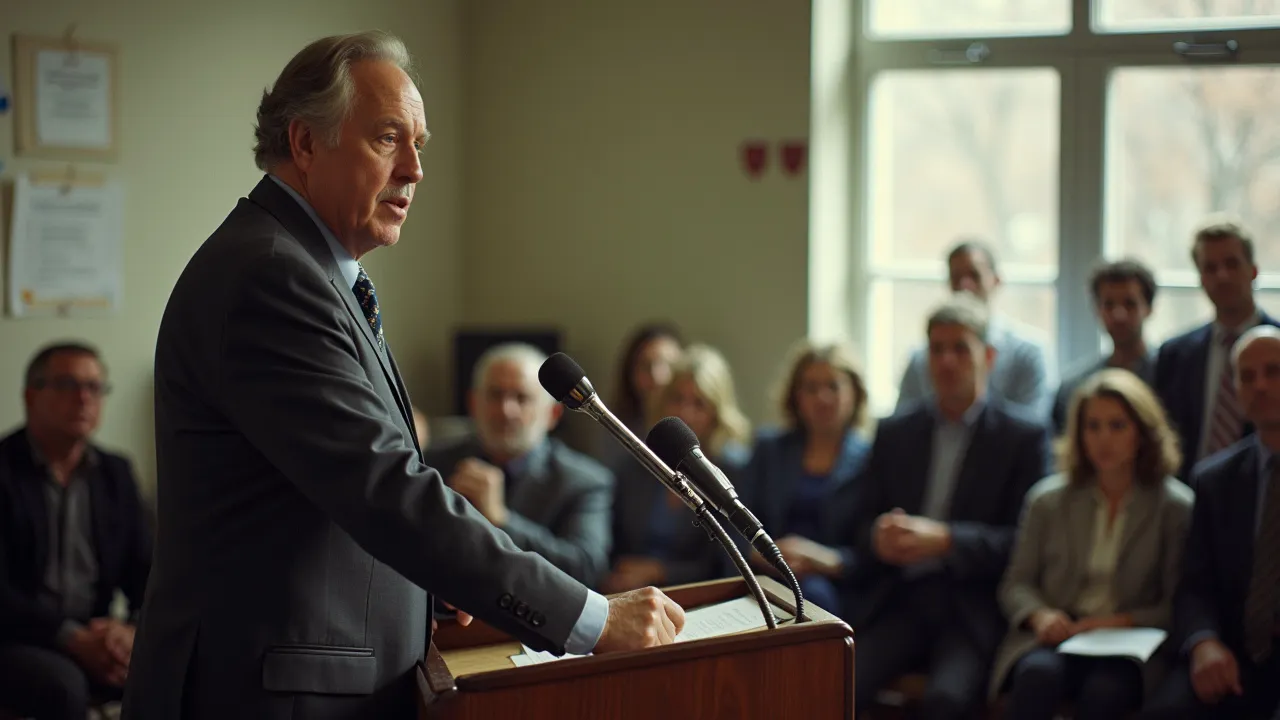
National Whistleblower Appreciation Day, observed on July 30th, honors individuals who expose wrongdoing in government and corporations. It celebrates their courage and the critical role they play in promoting accountability and transparency.
The Historical Origins & Evolutionary Journey
National Whistleblower Appreciation Day, observed annually on July 30th, traces its roots to a landmark U.S. Senate resolution passed in 2014. The day was established to recognize the vital contributions of whistleblowers who risk their careers and personal safety to expose fraud, corruption, and misconduct. The date July 30th was chosen to commemorate the first U.S. whistleblower law, passed in 1778, which protected sailors who reported misconduct by the Continental Navy.
The Foundational Catalyst
The modern whistleblower movement gained momentum in the 1970s and 1980s with the enactment of key legislation. The Civil Service Reform Act of 1978 provided the first federal protections for federal employees who disclose wrongdoing. However, it was the Whistleblower Protection Act of 1989 that strengthened these safeguards, prohibiting retaliation against federal whistleblowers. These laws were driven by high-profile cases such as the Pentagon Papers (1971) and the Watergate scandal (1972), which demonstrated the public's need for insiders to speak truth to power.
The Legislative/Official Adoption
The push for a dedicated appreciation day came from advocacy groups like the National Whistleblower Center and Government Accountability Project. In 2013, Senator Chuck Grassley introduced a resolution to designate July 30th as National Whistleblower Day. The resolution passed unanimously in the U.S. Senate in 2014, leading to the first official observance. Since then, the day has been recognized by organizations worldwide, emphasizing the universal value of whistleblowers.
Modern Global Legacy
Today, National Whistleblower Appreciation Day is not only a U.S. observance but also inspires international movements. Many countries have adopted similar laws, and advocacy groups use July 30th to host events, webinars, and recognize individuals. The day continues to evolve with the rise of digital whistleblowing platforms like WikiLeaks and SecureDrop, which have expanded the means for secure disclosure.
How to Celebrate National Whistleblower Appreciation Day
Celebrating National Whistleblower Appreciation Day involves recognizing the courage of whistleblowers and promoting a culture of transparency. Here are actionable strategies for individuals, schools, and organizations.
For Individuals
- Educate yourself on whistleblower protections by reading reports from the National Whistleblower Center or Project on Government Oversight.
- Share stories of whistleblowers on social media using hashtags like #WhistleblowerDay or #SpeakTruth.
- Donate to advocacy groups that support whistleblowers legally and financially.
For Schools and Universities
- Host a panel discussion with experts on ethics and whistleblowing.
- Assign case studies of famous whistleblowers such as Edward Snowden or Sherron Watkins.
- Integrate whistleblowing education into business and law curricula.
For Organizations and Corporations
- Review internal reporting channels to ensure they are secure and anonymous.
- Hold a company-wide training on the importance of speaking up without fear of retaliation.
- Publish a statement reaffirming commitment to whistleblower protections.
In different regions, celebrations vary. For example, in the United Kingdom, events may focus on the Public Interest Disclosure Act, while in India, advocacy groups highlight the Whistleblowers Protection Act (2011). Regardless of location, the core theme remains gratitude and empowerment.
The Impact of Whistleblowers on Society
Whistleblowers have catalyzed monumental changes across industries, uncovering systemic issues that save lives and billions of dollars. Their disclosures have led to new legislation, corporate reforms, and increased public awareness.
Financial and Corporate Impact
Whistleblower tips have resulted in billions recovered by governments. The Dodd-Frank Act (2010) incentivized whistleblowing with monetary awards, leading to the SEC's Whistleblower Program that has paid over $1 billion in awards since its inception. Cases like the Enron scandal, exposed by Sherron Watkins, led to the Sarbanes-Oxley Act, which imposed stricter corporate governance.
Public Health and Safety
Whistleblowers have exposed dangerous products and practices. For instance, Dr. Peter Buxtun revealed the unethical Tuskegee Syphilis Study, while Helen Mack uncovered human rights abuses in Guatemala. In healthcare, whistleblowers have flagged fraudulent billing and unsafe drugs, prompting regulatory actions.
Government Accountability
From the Pentagon Papers to the NSA surveillance revelations, whistleblowers have checked government overreach. The Whistleblower Protection Enhancement Act of 2012 strengthened protections for federal employees, reflecting society's growing recognition of their value.
Legal Protections for Whistleblowers Worldwide
Whistleblower laws vary significantly across countries, with some offering robust protections and others lacking enforcement. National Whistleblower Appreciation Day highlights the need for global harmonization.
United States
The U.S. has multiple laws protecting whistleblowers, including the Whistleblower Protection Act, Sarbanes-Oxley Act, and Dodd-Frank Act. These laws prohibit retaliation and provide monetary incentives. However, gaps remain, especially for national security whistleblowers.
European Union
The EU Whistleblower Directive (2019) requires member states to establish safe reporting channels. Countries like France and Germany have implemented strong laws, while others lag. The directive mandates protection against retaliation and anonymity.
Asia-Pacific
In India, the Whistleblowers Protection Act (2011) faces implementation challenges. Australia has enacted the Treasury Laws Amendment (Enhancing Whistleblower Protections) Act 2019, which extends protections to private sector workers. Japan and South Korea have also strengthened their frameworks.
Despite progress, many whistleblowers still face threats, legal battles, and stigmatization. Advocacy groups continue to push for stronger laws and public support.
Notable Whistleblowers and Their Cases
Throughout history, whistleblowers have come from all walks of life, risking everything to expose the truth. Their stories inspire ongoing appreciation.
- Daniel Ellsberg (Pentagon Papers, 1971): Leaked top-secret documents revealing U.S. government deception about the Vietnam War, leading to a Supreme Court case on press freedom.
- W. Mark Felt (Watergate, 1972): The "Deep Throat" informant who helped uncover the Nixon administration's abuse of power.
- Sherron Watkins (Enron, 2001): Warned CEO Ken Lay about accounting fraud, leading to the company's collapse and the Sarbanes-Oxley Act.
- Cynthia Cooper (WorldCom, 2002): Exposed $3.8 billion in fraud, leading to reforms in corporate governance.
- Edward Snowden (NSA surveillance, 2013): Revealed global mass surveillance programs, sparking debates on privacy and security.
- Frances Haugen (Facebook Files, 2021): Disclosed internal documents showing Facebook's harmful impact on teens and democracy.
Each of these individuals faced severe personal and professional consequences, underscoring the courage celebrated on July 30th.
The Future of Whistleblowing
As technology advances and global interconnectivity grows, whistleblowing is entering a new era. National Whistleblower Appreciation Day serves as a reminder to adapt and strengthen protections.
Technological Innovations
Encrypted platforms like SecureDrop and Signal enable anonymous submissions, reducing risks. Blockchain technology could provide immutable evidence trails. However, governments are also developing advanced surveillance, posing new threats to whistleblowers.
Global Policy Trends
There is a growing push for an international whistleblower protection framework, similar to the UN Convention against Corruption. Advocacy groups are lobbying for stronger penalties against retaliation and for public recognition programs. The International Whistleblower Day coalition aims to synchronize actions across borders.
Cultural Shift
Society is slowly moving from viewing whistleblowers as traitors to heroes. Hollywood movies like The Post and Snowden have humanized whistleblowers. Corporate ethics programs increasingly encourage internal reporting as a sign of integrity.
On July 30th, we renew our commitment to supporting those who dare to speak truth to power, ensuring that whistleblowers are appreciated not just one day a year, but every day.
Historical Timeline
The first U.S. whistleblower law is passed by the Continental Congress, protecting sailors who report misconduct by Navy officers.
Daniel Ellsberg leaks the Pentagon Papers, revealing government deception about the Vietnam War and inspiring future whistleblowers.
Civil Service Reform Act includes the first federal protections for whistleblowers in the U.S. government.
Whistleblower Protection Act (WPA) is enacted, strengthening protections for federal employees who disclose wrongdoing.
Sarbanes-Oxley Act passes in response to the Enron and WorldCom scandals, providing whistleblower protections for corporate employees.
Dodd-Frank Act creates the SEC Whistleblower Program, offering monetary awards and anti-retaliation protections.
U.S. Senate passes a resolution designating July 30th as National Whistleblower Appreciation Day, first observed that year.
EU Whistleblower Directive is adopted, mandating minimum standards for whistleblower protection across member states.
Frances Haugen becomes a global whistleblower by disclosing Facebook's internal research on social harm.