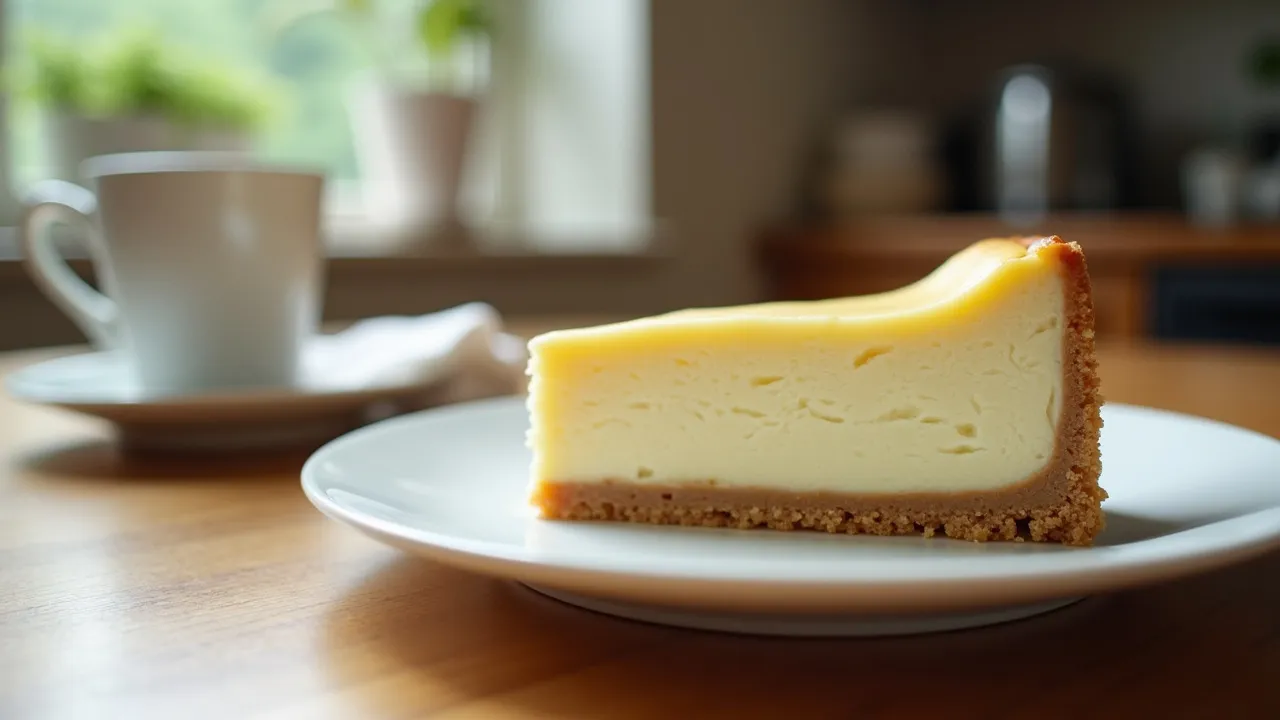
Celebrate National Cheesecake Day on July 30th! Discover the origins of this creamy dessert, learn how to honor the day with delicious recipes, and explore its global impact. Perfect for cheesecake enthusiasts of all ages.
The Historical Origins & Evolutionary Journey
National Cheesecake Day, observed annually on July 30th, is a celebration of one of the world's most beloved desserts. While the exact origins of this specific observance are unclear—like many food-themed holidays in the United States—it is believed to have been popularized by cheesecake manufacturers, food bloggers, and social media campaigns in the early 2000s. However, the history of cheesecake itself stretches back thousands of years.
The Ancient Roots of Cheesecake
The earliest known cheesecake recipes date back to ancient Greece around 2000 BCE. The Greeks served a simple mixture of cheese, flour, and honey baked into a pie-like form. After the Roman conquest of Greece, the recipe spread across Europe, evolving with regional ingredients. The first recorded cheesecake recipe in English appears in a 14th-century cookbook titled "Forme of Cury."
The Modern American Cheesecake
The iconic cream cheese-based cheesecake, familiar to most Americans today, was pioneered in New York in the late 1800s. Jewish immigrants brought a style of cheesecake from Eastern Europe, using cream cheese (a softer, less acidic alternative to traditional curd cheese). The landmark Lindy's and Junior's delis in New York City helped popularize this dense, rich version in the early 20th century.
The Birth of a Food Holiday
National Cheesecake Day appears to have emerged from the trend of "National Day" calorie celebrations. While no single founder is documented, the day gained traction on food calendars and social media platforms around 2010. Many speculate that the date July 30th was chosen because it falls in the middle of summer, when fresh fruits—often used as toppings—are abundant, and icebox-style no-bake cheesecakes are a favorite.
Global Variations in Celebration Dates
It's worth noting that some countries celebrate cheesecake on different days. For example, the United Kingdom has an unofficial "British Cheesecake Day" on July 1st, which often highlights baked cheesecakes with local berries. Australia celebrates on August 5th to coincide with National Cream Cheese Day. However, the most widely recognized date worldwide is July 30th, established by American food culture and amplified through international social media.
How to Celebrate National Cheesecake Day
National Cheesecake Day is the perfect excuse to indulge in this delectable dessert. Whether you prefer classic New York style, fruity, or savory versions, here are the ultimate ways to celebrate on July 30th.
Bake or Buy a Cheesecake
- Try a classic recipe: Make a traditional New York-style cheesecake using cream cheese, sour cream, eggs, and a graham cracker crust.
- Experiment with flavors: Create a no-bake cheesecake with a fruit swirl, or try a chocolate or matcha version.
- Visit a local bakery: Support a neighborhood pastry shop by purchasing a slice or whole cheesecake.
Host a Cheesecake Party
- Tasting event: Ask guests to bring different styles (e.g., Italian ricotta, Japanese cotton, American cream cheese).
- Topping bar: Set up a variety of toppings: fresh berries, chocolate sauce, caramel, whipped cream, and nuts.
- Virtual celebration: Share photos of your cheesecake on social media using #NationalCheesecakeDay.
Global Traditions
In Japan, a light and fluffy "rare cheesecake" (cotton cheesecake) is often enjoyed with green tea. In Italy, ricotta-based cheesecakes are flavored with lemon zest and orange blossom water. In Greece, the classic tyropita (cheese pie) is a savory cousin. For a true global experience, try a different country's cheesecake each hour!
Corporate and Community Celebrations
- Schools and offices: Organize a cheesecake bake sale to raise funds for a charity.
- Restaurants: Many eateries offer special discounts on cheesecake slices or whole cakes on this day.
Cheesecake Styles Around the World
Cheesecake is a versatile dessert that adapts to local palates. Here are some of the most distinctive global varieties.
American Cheesecakes
- New York Style: Dense, creamy, and tall, made with cream cheese, eggs, and heavy cream. Baked in a water bath.
- Philadelphia Style: Similar but lighter, using a higher proportion of cream cheese.
- No-Bake: Set in the refrigerator with gelatin or whipped cream, often with a lighter texture.
European Cheesecakes
- Italian (Ricotta): Uses ricotta cheese, often with candied fruit or chocolate chips. Typical of Roman and Neapolitan traditions.
- German (Quark): Made with quark cheese, which is lower in fat, resulting in a tangy, crumbly texture.
- French (Fromage Blanc): Very light, almost mousse-like, with a thin crust.
- Greek (Mizithra): A soft, fresh cheese used in a pie with honey and phyllo.
Asian Cheesecakes
- Japanese Cotton Cheesecake: Extremely light and fluffy, similar to a soufflé. Low in sweetness.
- Philippine Ube Cheesecake: Purple yam flavor, vibrant color, and a creamy texture.
- Chinese Egg Tart: A mini cheesecake-like tart, often with a slightly firmer filling.
The Science of Cheesecake: Tips for Perfection
Making a perfect cheesecake requires understanding the chemistry of its ingredients. Here are expert techniques to avoid cracks and ensure a silky texture.
Key Ingredients
- Cream Cheese: Must be at room temperature to avoid lumps.
- Eggs: Add structure. Overbeating incorporates air and causes cracks.
- Sugar: Helps stabilize the protein network.
Baking Methods
- Water Bath: Place the springform pan in a larger pan filled with hot water. This ensures even, gentle heat.
- Low Temperature: Bake at 325°F (163°C) or lower, then turn off the oven and let the cheesecake cool inside for 1 hour.
- Avoid Overmixing: Mix on low speed just until combined. Too much air leads to cracks.
Common Mistakes & Fixes
- Cracked top: Caused by overbaking or sudden temperature changes. Cover with a fruit topping.
- Soggy crust: Pre-bake the crust for 10 minutes before adding the filling.
Health and Nutrition: Can Cheesecake Be Part of a Balanced Diet?
Cheesecake is often seen as a decadent indulgence, but with mindful choices, it can be enjoyed in moderation.
Nutritional Profile
A typical slice (1/8 of a 9-inch cheesecake) contains approximately 350-500 calories, 25-35 grams of fat, 20-30 grams of sugar, and 5-8 grams of protein. The high fat and sugar content make it a high-density energy food.
Healthier Alternatives
- Reduced-fat cream cheese or Greek yogurt can lower fat and increase protein.
- Natural sweeteners like honey, maple syrup, or stevia can reduce refined sugar.
- Nut-based crusts (e.g., almond flour) add fiber and healthy fats.
- Fruit toppings provide vitamins and antioxidants without extra sugar.
Portion Control Tips
Use smaller ramekins to create individual cheesecakes. Freeze slices for later to avoid overconsumption. Pair with unsweetened tea or coffee to balance sweetness.
Cheesecake in Popular Culture and Media
Cheesecake has a prominent place in film, television, and literature, often symbolizing comfort, indulgence, or a slice of Americana.
Iconic Cheesecake Moments
- "The Cheesecake Factory" chain restaurant has become a cultural phenomenon, offering dozens of cheesecake varieties.
- Friends TV show: The characters often enjoyed cheesecake, notably in the episode "The One With the Cheesecake."
- Classic films: Cheesecake appears in "The Godfather" (Sicilian cannoli-like version) and "When Harry Met Sally" (as a metaphor for friendship).
Cheesecake in Art and Music
The term "cheesecake" was used in early 20th-century slang to refer to attractive photographs of women (similar to "pin-up"). This usage, while dated, shows the dessert's association with pleasure and desire. Today, cheesecake is a popular subject for food bloggers and Instagram influencers, who create stunning visuals to drive engagement.
Economic Impact of National Cheesecake Day
Though an unofficial holiday, National Cheesecake Day drives significant economic activity in the food and hospitality sectors.
Restaurant and Bakery Promotions
Many U.S. chains, such as The Cheesecake Factory, offer discounts on slices or whole cakes on July 30th. Independent bakeries see a spike in orders for premium cheesecakes. According to industry data, dessert sales at restaurants increase by 10-15% on this day compared to an average summer weekday.
Grocery Sales
Supermarkets promote cream cheese, crust ingredients, and frozen cheesecakes. Coupon usage for cheesecake-related items peaks. The National Day Calendar estimates that approximately 50 million pounds of cream cheese are sold in the week leading up to National Cheesecake Day.
E-commerce and Delivery
Online platforms like Goldbelly and local delivery services see a surge in orders for artisan cheesecakes. Social media advertising for cheesecake recipes and baking equipment also increases, benefiting food bloggers and kitchenware companies.
Historical Timeline
Ancient Greeks create the earliest known cheesecake, a simple mixture of cheese, flour, and honey.
A recipe for 'cheese pie' appears in the English cookbook 'Forme of Cury'.
William Lawrence of New York accidentally invents cream cheese while trying to replicate a French cheese. This leads to the modern cheesecake.
The first Cheesecake Factory restaurant opens in Detroit, Michigan, though it later becomes a chain.
New York delis like Lindy's and Junior's popularize the dense, cream cheese-based cheesecake.
National Cheesecake Day begins to appear on novelty food holiday calendars, promoted by food bloggers and social media.
The hashtag #NationalCheesecakeDay trends on Twitter, solidifying July 30th as the primary celebration date in the US.
During the COVID-19 pandemic, home baking surges, and cheesecake becomes a symbol of comfort food, leading to record sales of cream cheese.