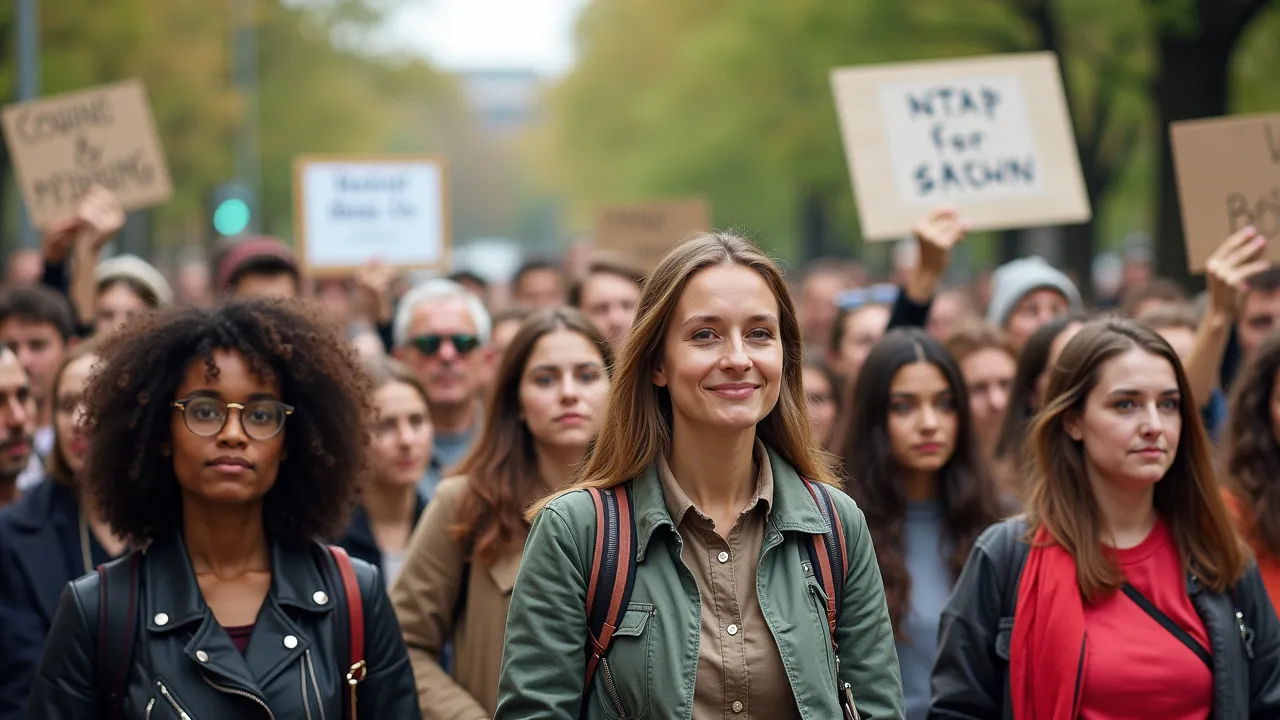
Observed on July 30, the World Day Against Trafficking in Persons raises awareness of the plight of trafficking victims and promotes the protection of their rights. This UN-backed day calls for global action to end modern slavery.
The Historical Origins & Evolutionary Journey
The Foundational Catalyst
The crime of human trafficking, often called modern slavery, has existed for centuries. However, the global movement to combat it gained momentum in the late 20th century. The United Nations Protocol to Prevent, Suppress and Punish Trafficking in Persons, Especially Women and Children (the Palermo Protocol) was adopted in 2000 and entered into force in 2003. This landmark treaty defined trafficking and required states to criminalize it. Yet, awareness remained low.
The Legislative/Official Adoption
In 2010, the UN General Assembly adopted the United Nations Global Plan of Action to Combat Trafficking in Persons, which called for a dedicated day. On July 30, 2013, the UN officially designated July 30 as the World Day Against Trafficking in Persons. The first observance took place in 2014. The date was chosen to mark the anniversary of the adoption of the Global Plan of Action.
Modern Global Legacy
Since its inception, the day has mobilized governments, civil society, and individuals worldwide. Each year features a specific theme—such as "Leave No Child Behind in the Fight Against Human Trafficking" (2023) and "Reach Every Victim of Trafficking, Leave No One Behind" (2022). The day serves as a rallying point for raising awareness, reporting incidents, and calling for stronger laws and victim support.
How to Celebrate World Day Against Trafficking in Persons
Individual Actions
Educate Yourself: Learn the signs of trafficking. Common indicators include someone appearing fearful, unable to leave their job, or possessing forged identification. Share Information: Post on social media using #EndHumanTrafficking and #WorldDayAgainstTrafficking. Donate: Support reputable anti-trafficking organizations like Polaris or the UN Voluntary Trust Fund for Victims.
School & Community Activities
- Organize a film screening of a documentary such as The Day My God Died or Trafficked.
- Host a panel discussion with local law enforcement and survivor advocates.
- Launch a fundraising walk or run to support victim services.
Corporate & Government Involvement
- Companies can review their supply chains to ensure no forced labor is used and publish transparency reports.
- Governments can announce new policies or fund anti-trafficking task forces.
- Light landmarks in blue (the official UN color for anti-trafficking) to show solidarity.
Global Variations
In many countries, the day is marked by national campaigns. In the United States, the State Department releases the annual Trafficking in Persons Report around this time. In India, NGOs organize awareness rallies and distribute helpline information. In Nigeria, the National Agency for the Prohibition of Trafficking in Persons (NAPTIP) holds public lectures and media events.
Global Impact & Statistics
Scale of the Problem
According to the International Labour Organization (ILO), over 40 million people were victims of modern slavery in 2021, including 24.9 million in forced labor and 15.4 million in forced marriage. Women and girls account for 71% of trafficking victims. Child trafficking remains a severe issue, with 1 in 4 victims being under 18.
Economic Impact
Human trafficking generates an estimated $150 billion in illegal profits annually. It affects nearly every country—as origin, transit, or destination. The COVID-19 pandemic exacerbated vulnerabilities, pushing more people into exploitation due to job loss and poverty.
Progress Made
The UNODC's Global Report on Trafficking in Persons (2022) noted an increase in convictions in some regions, but impunity remains high. The Sustainable Development Goals (Target 8.7) call for immediate measures to eradicate forced labor, modern slavery, and human trafficking.
Core Societal Themes
Human Rights & Dignity
At its core, anti-trafficking work upholds the fundamental right to freedom and safety. Victims suffer severe physical and psychological abuse, including violence, starvation, and coercion. The day emphasizes victim-centered approaches that prioritize protection and rehabilitation over punitive measures.
Gender & Inequality
Women and girls are disproportionately affected, especially for sexual exploitation. Trafficking thrives on inequality—poverty, lack of education, and discrimination. Empowering women economically and educationally is a key prevention strategy.
Technology & Exploitation
Traffickers increasingly use online platforms to recruit and advertise victims. Social media, encrypted messaging, and the dark web facilitate exploitation. Conversely, technology also aids detection through data analytics and reporting apps.
Industry Transformations
Travel & Tourism
The tourism industry has implemented codes of conduct and training to spot trafficking signs. Airlines and hotels participate in initiatives like the Code of Conduct for the Protection of Children from Sexual Exploitation in Travel and Tourism.
Agriculture & Manufacturing
Forced labor is rampant in supply chains for products like chocolate, coffee, cotton, and electronics. Companies are increasingly required to conduct due diligence and trace their supply lines. Certifications like Fair Trade aim to reduce exploitation.
Healthcare & Social Services
Healthcare providers are often the first point of contact for victims. Many hospitals now train staff to identify indicators of trafficking and provide trauma-informed care. Social services collaborate with law enforcement to offer housing, legal aid, and job training.
A Call to Action: How You Can Make a Difference
Report Suspicious Activity: In many countries, you can call a national human trafficking hotline. In the US, the National Human Trafficking Hotline is 1-888-373-7888. Be an Ethical Consumer: Choose products from companies that monitor their supply chains. Use apps like Buycott to check a brand's ethical record. Advocate for Change: Write to your representatives asking for stronger anti-trafficking laws and funding for victim services. Support Survivors: Donate to shelters, job training programs, or legal aid organizations that help survivors rebuild their lives. Every action, big or small, contributes to ending this heinous crime.
Historical Timeline
The United Nations adopts the Protocol to Prevent, Suppress and Punish Trafficking in Persons, Especially Women and Children (Palermo Protocol), defining trafficking and establishing legal frameworks.
The Palermo Protocol enters into force, becoming the first international legally binding instrument against human trafficking.
The UN General Assembly adopts the Global Plan of Action to Combat Trafficking in Persons, calling for a dedicated awareness day.
On July 30, the UN officially designates July 30 as World Day Against Trafficking in Persons.
First observance of World Day Against Trafficking in Persons; the theme is 'Act to Protect and Assist Trafficked Persons'.
The UN launches the 'Blue Heart Campaign' to raise awareness and encourage public action against human trafficking.
The ILO reports that over 40 million people are victims of modern slavery; the UNODC releases its Global Report on Trafficking in Persons.
The World Day theme is 'Leave No Child Behind in the Fight Against Human Trafficking', focusing on child victims.
Continued global efforts; new technologies are deployed to combat online recruitment; more countries adopt the victim-centered approach.