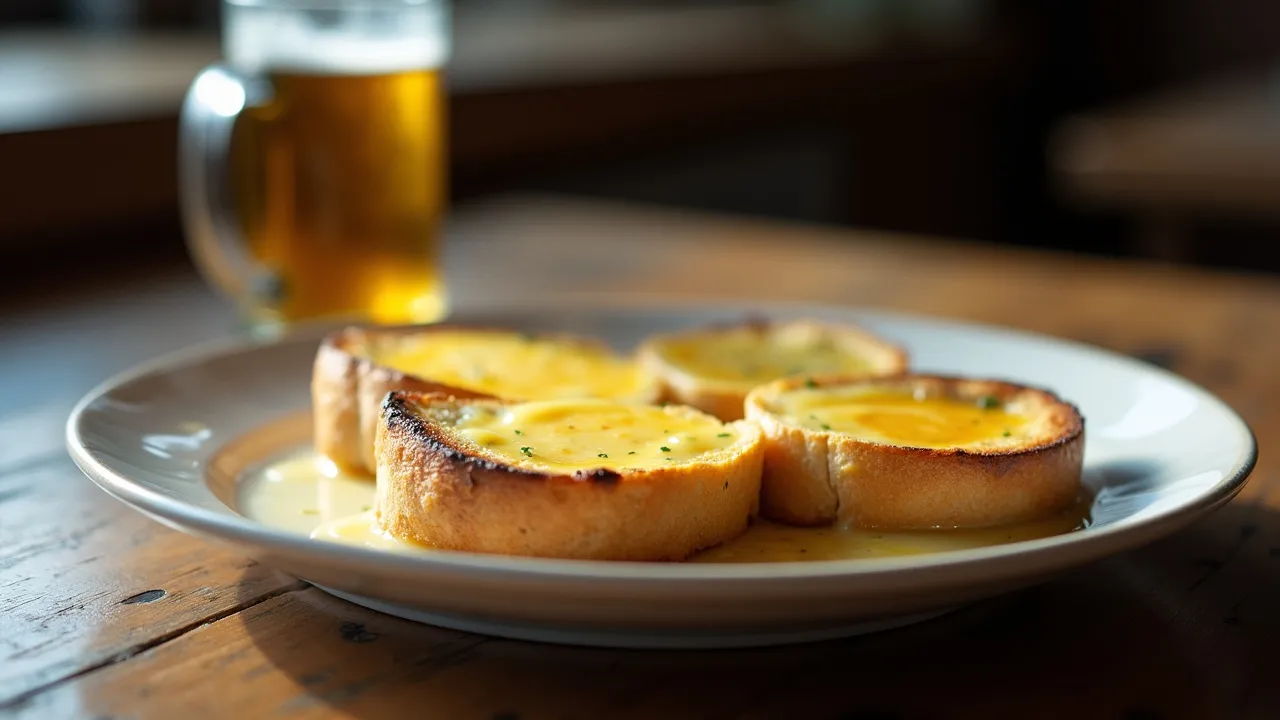
Celebrate National Welsh Rarebit Day on September 3rd by indulging in this classic Welsh dish of melted cheese sauce over toast. Explore its rich history from medieval origins to modern variations, and learn how to make and enjoy this comforting comfort food.
The Historical Origins & Evolutionary Journey
National Welsh Rarebit Day, observed on September 3rd, honors a dish that has evolved from humble beginnings to a celebrated comfort food. The exact origins of Welsh rarebit are obscure, but the name itself is a playful corruption of "Welsh rabbit," a term dating back to the 18th century when cheese on toast was jokingly called rabbit as a substitute for meat during lean times.
The Foundational Catalyst
The first recorded recipe for Welsh rarebit appears in the 1725 cookbook "The Art of Cookery Made Plain and Easy" by Hannah Glasse, though similar dishes existed earlier. The dish likely originated in the kitchens of rural Wales, where local cheese (often Caerphilly) was melted over bread to create a filling meal. Over centuries, the recipe evolved to include ale, mustard, and Worcestershire sauce, becoming a staple of British pub culture.
The Legislative/Official Adoption
While there is no official legislative adoption, National Welsh Rarebit Day gained recognition through food observances organized by the National Day Calendar in the early 2000s. It was popularized as a fun way to celebrate Welsh heritage and the dish's versatility. The day has since been embraced by cheese lovers and culinary enthusiasts worldwide.
Modern Global Legacy
Today, Welsh rarebit is enjoyed in various forms, from classic recipes to gourmet versions with truffle oil or smoked cheese. It appears on high-end restaurant menus and in home kitchens alike. The day serves as a reminder of the dish's cultural significance and its role in sustainable eating—using simple ingredients to create something delicious.
How to Celebrate National Welsh Rarebit Day
Celebrating National Welsh Rarebit Day is all about savoring this iconic dish and sharing its tradition with others. Whether you're a seasoned chef or a curious beginner, there are many ways to participate.
Individuals & Families
- Cook from Scratch: Use a traditional recipe with cheddar, ale, mustard, and a pinch of cayenne. Serve on thick slices of sourdough or brioche.
- Host a Tasting Party: Prepare several variations—classic, smoked cheese, or gluten-free—and invite friends to vote on their favorite.
- Visit a Local Pub: Many British-style pubs offer Welsh rarebit; order it with a side of pickles or a pint of bitter.
Schools & Community Groups
- Cooking Classes: Organize a workshop teaching children or adults how to make rarebit, emphasizing historical context.
- Heritage Events: Pair the dish with Welsh music or poetry readings to celebrate culture.
Business & Social Media
- Restaurant Specials: Chefs can create a unique rarebit using local cheeses and craft beers.
- Hashtag Campaign: Share photos using #NationalWelshRarebitDay on social media to inspire others.
Regional Variations Across the Globe
While September 3rd is the primary date for National Welsh Rarebit Day, variations of the dish exist worldwide, with some regions celebrating differently.
United Kingdom
In the UK, Welsh rarebit is a pub classic, often served with a side of salad or baked beans. Some Scottish versions use local cheddars, while English pubs may add a layer of sliced tomato.
United States
American adaptations often use processed cheese or add bacon. The day is promoted by cheese companies and food bloggers, with recipes featuring spicy peppers or barbecue sauce.
Australia & New Zealand
Here, rarebit is sometimes called "cheese toast" and served for breakfast. On September 3rd, cafes may offer special deals.
Unique Local Twists
- Wales: Authentic versions use Caerphilly cheese and a dash of Welsh ale.
- Canada: Some recipes add maple syrup for a sweet-savory note.
- Japan: Rarebit appears on toast with miso or soy sauce, reflecting local tastes.
Nutritional Profile and Dietary Considerations
Welsh rarebit is a high-calorie dish due to cheese and bread, but it can be adapted for various diets.
Classic Nutritional Values
- Calories: ~500-600 per serving (depending on portion size).
- Protein: 15-20g from cheese and eggs.
- Fat: 30-40g, mostly saturated.
- Carbohydrates: 40-50g from bread.
Dietary Modifications
- Vegetarian: Ensure no rennet in cheese; traditional recipe is vegetarian-friendly.
- Gluten-Free: Use gluten-free bread and thicken sauce with cornstarch.
- Low-Fat: Use reduced-fat cheese and skim milk, but expect texture changes.
As with any indulgent food, moderation is key. Pair with a side salad or vegetables to balance the meal.
Cultural Impact and Culinary Significance
Welsh rarebit holds a special place in culinary history as a symbol of resourcefulness and national identity.
Literary and Popular Culture References
The dish appears in works by Jane Austen and Charles Dickens, often as a simple yet cherished meal. In modern media, it features in British cooking shows like "The Great British Bake Off" and "MasterChef."
Economic Impact
On September 3rd, cheese sales spike, and pubs report increased foot traffic. The day also promotes Welsh dairy products, supporting local farmers.
Environmental Sustainability
Using bread and cheese that might otherwise go to waste aligns with sustainable eating practices. Rarebit is a perfect example of nose-to-tail cooking—using leftovers creatively.
Expert Tips for the Perfect Welsh Rarebit
To make the best Welsh rarebit, follow these expert insights:
Cheese Selection
- Use a strong cheddar: Aged 6-12 months provides optimal flavor.
- Add a secondary cheese: Gruyère or Stilton adds complexity.
Bread Choice
- Thick-cut sourdough or whole wheat: Holds up under the sauce.
- Toast lightly before adding cheese: Prevents sogginess.
The Sauce
- Beer or ale: A brown ale or porter adds depth.
- Mustard powder: English mustard provides a kick.
- Egg yolk: Binds the sauce and gives a velvety texture.
Top with a sprinkle of paprika or fresh chives before serving under the broiler until bubbly and golden.
Historical Timeline
First recorded recipe for Welsh rarebit (as "Welsh rabbit") appears in Hannah Glasse's cookbook "The Art of Cookery Made Plain and Easy."
The term "Welsh rabbit" is documented in a letter by Thomas Carte, confirming its colloquial use.
Mrs. Beeton's Book of Household Management includes a recipe for Welsh rarebit, solidifying its place in Victorian cuisine.
Welsh rarebit becomes a staple in American diners and British pubs, often served with a side of pickles.
National Welsh Rarebit Day is added to the National Day Calendar, with September 3rd chosen to kick off fall comfort food season.
Gourmet versions emerge in upscale restaurants, featuring truffle oil, caramelized onions, and artisanal cheeses.
Vegan and gluten-free variations gain popularity, with cashew-based cheese sauces and gluten-free breads.