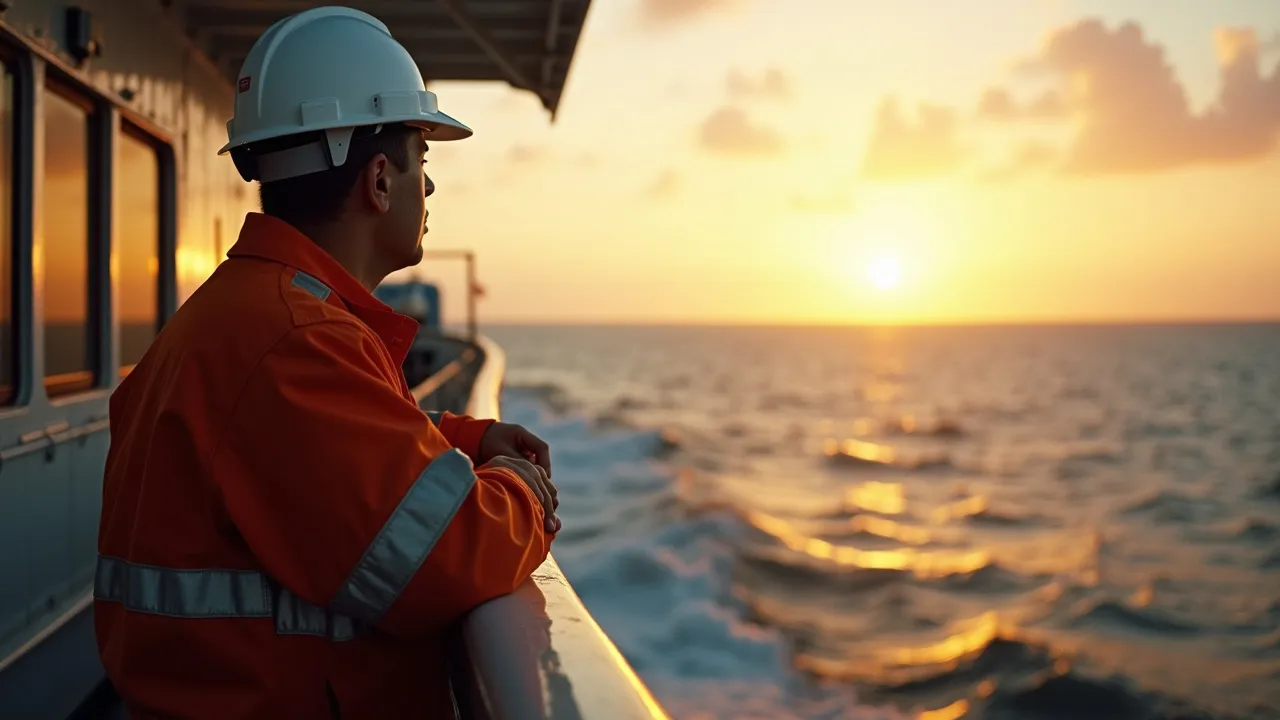
Merchant Navy Day on September 3rd honors the brave merchant seafarers who keep global trade moving. Learn about its history linked to the Battle of the Atlantic and ways to celebrate.
The Historical Origins & Evolutionary Journey
Merchant Navy Day, observed annually on September 3rd, is a day of remembrance and tribute to the men and women of the merchant navy who have served their countries in peace and war. The date was chosen to commemorate the sinking of the SS Athenia in 1939, the first British ship torpedoed by a German U-boat during World War II, marking the start of the Battle of the Atlantic.
The Foundational Catalyst
The Battle of the Atlantic (1939–1945) was the longest continuous military campaign of World War II. Merchant seafarers were essential to the Allied war effort, transporting troops, fuel, food, and munitions across the Atlantic despite constant threat from U-boats, mines, and surface raiders. More than 30,000 merchant sailors lost their lives, and thousands of ships were sunk. Their sacrifice was often overlooked compared to the armed forces.
The Legislative/Official Adoption
In the United Kingdom, the campaign for a dedicated day gained momentum in the late 1990s, led by the Merchant Navy Association and other veteran groups. On September 3, 2000, the UK government officially recognized Merchant Navy Day, with the inaugural ceremony at the Tower of London. Since then, the day has been marked by the flying of the Red Ensign on public buildings, church services, and parades. In Canada, Merchant Navy Day has been observed since 2003, with similar ceremonies.
Modern Global Legacy
Today, Merchant Navy Day is celebrated not only in the UK and Canada but also in Australia, New Zealand, and other Commonwealth nations. It serves as a reminder of the ongoing importance of the merchant fleet to global trade and the bravery of seafarers who face dangers such as piracy, storms, and long separations from family. The day also highlights the need for better working conditions and recognition for these essential workers.
How to Celebrate Merchant Navy Day
Merchant Navy Day offers numerous ways for individuals, schools, and organizations to show appreciation for merchant seafarers. Below are actionable strategies for different groups.
For Individuals
- Fly the Red Ensign: Show solidarity by flying the merchant navy flag at home or work.
- Attend a Service: Many towns hold church services or memorial ceremonies. Find one near you.
- Donate to Charities: Support organizations like the Merchant Navy Welfare Board or Seafarers UK.
- Share on Social Media: Use hashtags like #MerchantNavyDay or #RedEnsign to spread awareness.
For Schools
- Classroom Lessons: Teach students about the role of merchant shipping during WWII and today.
- Flag-Raising Ceremonies: Organize a simple ceremony with the Red Ensign and a moment of silence.
- Essay or Art Competitions: Encourage creative projects about life at sea.
For Organizations and Businesses
- Display the Red Ensign: Encourage all public buildings to fly the flag.
- Host a Lunch or Reception: Invite retired merchant seafarers for a thank-you event.
- Support Seafarer Charities: Make corporate donations or sponsor a welfare center at a port.
Regional Traditions
In the UK, the day often features parades and ceremonies at maritime museums. In Canada, the Merchant Navy Flag is flown alongside the Maple Leaf. In Australia, commemorative services are held at war memorials and ports.
Global Impact of the Merchant Navy
The merchant navy is the backbone of global trade. Approximately 90% of world trade is carried by sea, and the men and women who operate these ships ensure that goods from food to electronics reach every corner of the globe. Beyond commerce, merchant ships are vital during humanitarian crises, delivering aid after natural disasters.
Economic Significance
The shipping industry contributes billions to the global economy and employs over 1.5 million seafarers worldwide. Countries like Greece, Japan, China, and Germany have large merchant fleets. The industry faces challenges such as decarbonization, digitalization, and labor shortages.
Humanitarian Role
During the COVID-19 pandemic, merchant seafarers continued to work tirelessly, often stranded at sea for months, to keep supply chains running. Their essential role was widely recognized, leading to calls for better treatment and mental health support.
The Merchant Navy at War
The contribution of merchant seafarers in times of war is a central theme of Merchant Navy Day. During both World Wars, merchant ships were armed and served as auxiliary vessels for the Royal Navy and other navies. Many merchant sailors were awarded medals for bravery.
World War I
In WWI, German U-boats targeted merchant vessels indiscriminately. The sinking of the Lusitania in 1915, which killed hundreds of civilians, highlighted the dangers. Over 14,000 British merchant seamen died.
World War II
The Battle of the Atlantic saw the highest losses. The introduction of convoy systems and advances in sonar and radar helped reduce sinkings. Service in the merchant navy was often as dangerous as in the armed forces, with a higher casualty rate percentage-wise.
Life of a Modern Merchant Seafarer
Today's merchant seafarers face unique challenges. They spend months away from home, often with limited internet access, working long hours in demanding conditions. Modern ships are highly automated but still require skilled crews to operate safely.
Career Paths
- Deck Officers: Responsible for navigation, cargo operations, and safety.
- Engine Officers: Manage propulsion systems and onboard machinery.
- Ratings: Perform general maintenance, watchkeeping, and catering.
Challenges
Piracy remains a threat off the coast of Somalia and West Africa. Crews also face mental health issues due to isolation. Organizations like the International Transport Workers' Federation (ITF) advocate for better working conditions.
How Governments and Organizations Support the Day
Many governments officially recognize Merchant Navy Day. In the UK, the Department for Transport encourages all public buildings to fly the Red Ensign. The Merchant Navy Association coordinates events nationwide.
Notable Campaigns
The 'Fly the Red Ensign' campaign urges the public to display the flag. Charities like Seafarers UK run fundraising drives. The day also sees the launch of reports on the state of the merchant fleet.
International Observance
While not a global holiday, the day is marked by the United Nations through its International Maritime Organization, which promotes the welfare of seafarers. The Day of the Seafarer on June 25 is a related UN observance.
Historical Timeline
September 3: The SS Athenia is sunk by a German U-boat, becoming the first British ship lost in World War II. This event later inspired the date for Merchant Navy Day.
Battle of the Atlantic: Over 30,000 merchant seafarers die as Allied convoys brave U-boat attacks to keep supply lines open.
World War II ends. The bravery of merchant seamen is recognized, but no official day of remembrance exists yet.
The United Kingdom officially recognizes Merchant Navy Day on September 3, with the first ceremony at the Tower of London.
Canada officially designates September 3 as Merchant Navy Day, following a campaign by merchant navy veterans and organizations.
The UK government issues guidance encouraging all public buildings to fly the Red Ensign on Merchant Navy Day.
Due to the COVID-19 pandemic, many Merchant Navy Day events are held virtually, highlighting the critical role of seafarers in global trade.