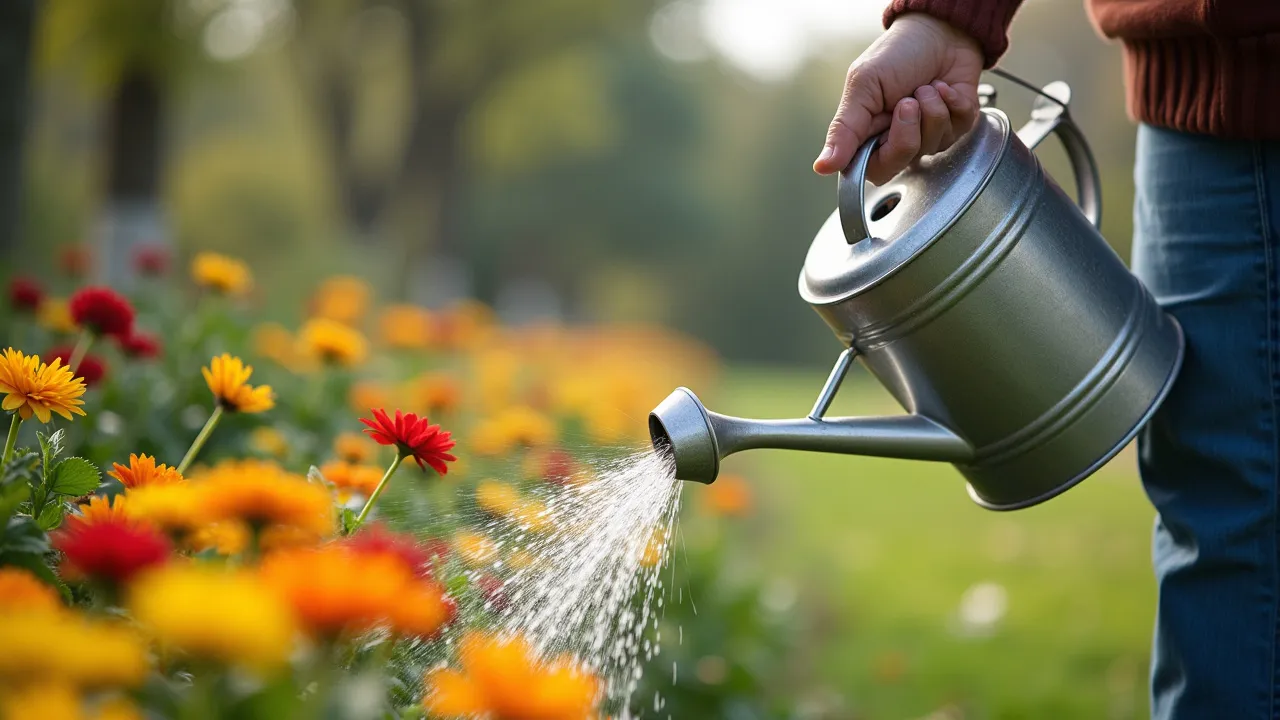
Observed on May 30th, National Water a Flower Day encourages everyone to hydrate their plants and appreciate the beauty of flowers. Learn the history, traditions, and best practices to celebrate this blooming holiday.
The Historical Origins & Evolutionary Journey
National Water a Flower Day, observed annually on May 30th, traces its roots to a time when gardening was not just a hobby but a critical means of survival. The day was first conceptualized in the early 20th century by a coalition of horticultural societies aiming to promote plant care and environmental stewardship.
The Foundational Catalyst
In the aftermath of World War I, many communities turned to gardening as a way to heal and rebuild. The simple act of watering flowers became a symbol of hope and renewal. In 1920, the National Horticultural Society of America officially declared May 30th as a day to honor this act, encouraging citizens to tend to their gardens and public green spaces.
The Legislative/Official Adoption
While never codified by federal law, the day gained widespread recognition through grassroots campaigns and media support. By the 1950s, local governments began incorporating tree-planting and flower-watering events into their spring calendars. The day's popularity surged with the rise of environmental movements in the 1970s, linking it to broader themes of conservation and sustainability.
Modern Global Legacy
Today, National Water a Flower Day is celebrated not only in the United States but also in countries like Canada, Australia, and the United Kingdom, though dates may vary. It serves as a gentle reminder to reconnect with nature, practice mindfulness, and contribute to the beauty of our surroundings. The day has evolved to include digital campaigns, community workshops, and even corporate social responsibility initiatives focused on urban greening.
How to Celebrate National Water a Flower Day
Celebrating National Water a Flower Day can be as simple or as elaborate as you wish. Here is a comprehensive guide to making the most of May 30th:
For Individuals and Families
- Morning Garden Ritual: Start your day by watering your indoor and outdoor plants. Use a watering can with a gentle rose attachment to avoid damaging delicate blooms.
- Adopt a Plant: Visit a local nursery and adopt a new flower or shrub. Make a commitment to care for it throughout the season.
- Create a Watering Schedule: Use the day to set up a watering calendar. Different plants have different needs—succulents need less, while ferns and tropicals need more.
- Share the Love: Surprise a neighbor, friend, or community garden with a freshly watered pot of flowers or a watering can as a gift.
For Schools and Educational Groups
- Classroom Gardening Project: Have students plant seeds in cups and water them daily. Use National Water a Flower Day to reinforce lessons about photosynthesis, plant biology, and responsibility.
- Nature Walk and Observation: Take a walk around the school grounds, noting which plants look thirsty. Encourage students to water them and record their observations.
- Art and Writing Prompts: Ask students to draw their favorite flower and write a short poem or story about watering it.
For Organizations and Communities
- Community Watering Event: Organize a group watering session at a local park, botanical garden, or public square. Provide watering cans and buckets, and involve volunteers of all ages.
- Corporate Volunteer Day: Encourage employees to participate in a team-building activity that includes planting and watering flowers at a nearby green space.
- Social Media Campaign: Launch a hashtag like #WaterAFlowerDay to share photos and tips. Offer prizes for the most creative watering setups.
Regional Variations
While May 30th is the primary date for National Water a Flower Day in the United States, some regions celebrate on different days:
- United Kingdom: Often observed on the first Sunday of June, aligning with National Gardening Week.
- Australia: Celebrated in early spring (September) due to the southern hemisphere's growing season.
- Japan: Known as 'Hana ni Mizu o Ageru Hi' and observed on May 5th, coinciding with Children's Day and the tradition of displaying iris flowers.
The Science of Watering: Best Practices for Healthy Flowers
Watering seems straightforward, but improper techniques can harm plants. This section delves into the science behind effective hydration.
When to Water
Early morning is ideal—water before 10 AM to reduce evaporation and allow foliage to dry before nightfall, preventing fungal diseases. Evening watering is acceptable in hot climates but avoid wetting leaves. Use a soil moisture meter or simply stick your finger an inch into the soil: if dry, water.
How Much Water
Deep, infrequent watering encourages deep root growth. For most flowers, 1 inch of water per week (including rainfall) is sufficient. Adjust for sandy soils (more frequent) and clay soils (less frequent). Container plants may need daily watering in summer.
Watering Methods
- Soaker Hoses: Efficient for flower beds; deliver water directly to roots.
- Drip Irrigation: Ideal for vegetable gardens and precise applications.
- Hand Watering: Best for potted plants and small areas—use a watering can with a long spout to reach base of plants.
Signs of Overwatering and Underwatering
Yellowing leaves, wilting, mold on soil surface, and root rot indicate overwatering. Underwatered plants show drooping leaves, dry soil, and brown leaf edges. Learn to read your plants' signals.
Cultural Significance of Flower Watering Across the Globe
Watering flowers is a universal act, but its meaning varies across cultures.
Symbolism in Different Traditions
- Japanese Culture: The practice of 'mizukake' (sprinkling water) is part of Buddhist rituals to honor ancestors. Watering flowers in family graves is a common custom during Obon festival.
- Indian Culture: Watering the holy basil (Tulsi) plant daily is considered a sacred duty in many Hindu households. It is believed to bring prosperity and spiritual purity.
- Western Traditions: In Victorian England, watering flowers was associated with nurturing and femininity. It appears in literature as an act of care and devotion.
Festivals and Events
Several cultures have festivals centered on water and flowers:
- Thailand's Songkran: Water festival where people gently pour water on flowers and elders as a blessing.
- Italy's Infiorata: Flower festivals where participants create elaborate carpets of flower petals and then water them to keep them fresh.
Environmental Impact and Sustainability
Watering flowers, while beneficial, has environmental implications. This section explores sustainable practices.
Water Conservation
Use rainwater harvesting barrels to collect runoff for garden use. Install greywater systems for non-edible plants. Mulch around flowers to retain soil moisture and reduce watering frequency.
Native Plants and Xeriscaping
Choosing native plants adapted to local rainfall reduces the need for supplemental watering. Xeriscaping with drought-tolerant flowers like lavender and yarrow creates low-water, high-beauty gardens.
Pollinator Health
Watering flowers supports bees, butterflies, and other pollinators. Provide shallow water dishes with pebbles for insects to drink safely. Avoid using pesticides that contaminate water sources.
Climate Change Considerations
Rising temperatures and droughts make water for gardening a precious resource. Adopt smart irrigation controllers that adjust watering based on weather forecasts. Repair leaks promptly.
Psychological and Emotional Benefits of Watering Flowers
Beyond the physical act, watering flowers nurtures the human spirit. Research shows that interacting with plants reduces stress, improves mood, and increases mindfulness.
Therapeutic Gardening
Horticultural therapy uses plant care as a therapeutic tool for mental health patients, elderly individuals, and those with disabilities. The repetitive motion of watering has a calming effect, similar to meditation.
Connection to Nature
In our digital age, the simple act of watering flowers reconnects us to the natural world. It provides a break from screens and a chance to be present. Many people report feeling a sense of accomplishment and calm after tending to their plants.
Social Benefits
Community gardens and watering groups foster social bonds. Sharing tips and produce builds neighborhood cohesion. National Water a Flower Day can be an opportunity to start or join such a group.
The Flower Industry: Economic Impact and Trends
The global flower market is worth billions, and watering plays a key role in production and retail.
Fresh Cut Flowers
Major producers like the Netherlands, Colombia, and Kenya rely on precise irrigation to grow high-quality blooms. Water management is critical to reduce disease and extend vase life. On National Water a Flower Day, florists often promote special offers and educate customers on flower care.
Houseplant Boom
The recent surge in houseplant popularity has increased demand for watering tools and moisture meters. Brands launch campaigns around May 30th to capitalize on the trend, offering discounts on watering cans, self-watering pots, and plant care apps.
Eco-Friendly Innovations
The industry is moving toward sustainable practices: biodegradable pots, recycled watering cans, and organic fertilizers. Water a Flower Day highlights these eco-friendly products and encourages consumers to support them.
Historical Timeline
The National Horticultural Society of America first declares May 30th as National Water a Flower Day to promote gardening after World War I.
The day gains popularity through radio broadcasts and community garden programs, with local governments sponsoring public watering events.
Environmental activists link Water a Flower Day to the broader conservation movement, emphasizing water conservation and native plant gardening.
The day becomes a fixture in educational curricula, with schools across the U.S. incorporating planting and watering activities into spring lesson plans.
The internet age sees the rise of online campaigns and social media communities sharing watering tips and celebrating the day virtually.
The United Nations Environment Programme endorses the day as part of its 'Green Planet' initiative, encouraging global participation.
During the COVID-19 pandemic, National Water a Flower Day experiences a resurgence as home gardening and plant care become popular hobbies worldwide.