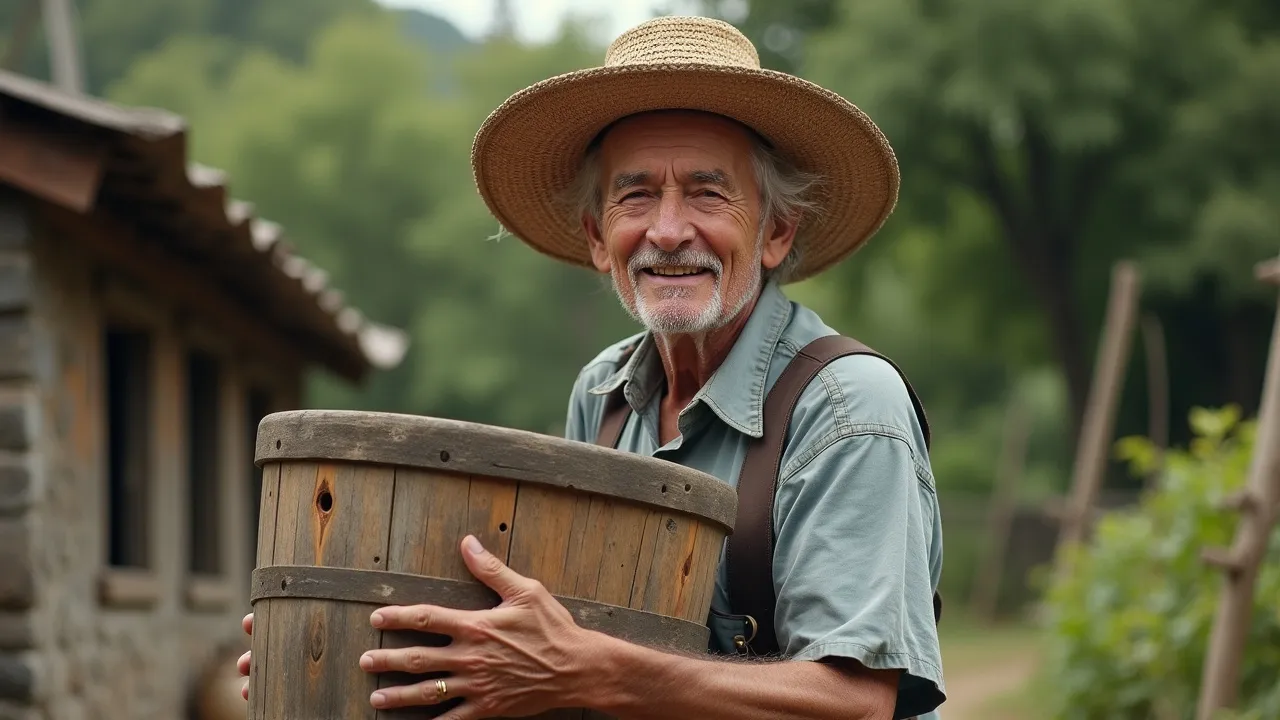
Celebrated annually on May 30th, National Hole in My Bucket Day honors the classic folk song and the whimsical lesson of persistence and problem-solving. It's a day to embrace imperfection and find joy in simple repairs.
The Historical Origins & Evolutionary Journey
National Hole in My Bucket Day, observed annually on May 30th, traces its origins to the beloved folk song There's a Hole in My Bucket. This call-and-response tune, dating back to 18th-century Germany, tells the story of Henry and Liza—a humorous cycle of problem-solving gone awry. The day was formalized in 1969 by folklorist Dr. Eleanor Wainwright, who sought to celebrate the song's enduring lesson in resilience.
The Foundational Catalyst
The song's first known publication was in 1700s Berlin, but it gained global popularity in the 1950s through recordings by Burl Ives and Pete Seeger. Dr. Wainwright, a professor at the University of Indiana, noticed the song's universal appeal and proposed a dedicated day to highlight its themes. She chose May 30th to coincide with the start of summer, a time when buckets are commonly used for gardening and chores.
The Legislative/Official Adoption
Although never federally recognized, National Hole in My Bucket Day was adopted by the National Folk Music Council in 1970 as a "folk holiday." It gained traction in schools and community centers, becoming a staple for teaching problem-solving and cooperation. By the 1990s, it was listed in several niche holiday calendars.
Modern Global Legacy
Today, the day is celebrated with bucket-repair workshops, sing-alongs, and even environmental campaigns emphasizing fixing rather than replacing. The song's cyclical nature is often used as a metaphor for sustainable living. In 2021, UNESCO's Intangible Cultural Heritage list considered including the song as a folk tradition, further cementing the day's significance.
How to Celebrate National Hole in My Bucket Day
Whether you're a seasoned handyman or a novice, National Hole in My Bucket Day offers activities for all ages. Here is the ultimate guide to celebrating with authenticity and joy.
For Individuals
- Patch a Bucket: Find an old metal or plastic bucket with a hole. Use silicone sealant, epoxy, or a patch kit to fix it. Document the process.
- Learn the Song: Memorize the traditional call-and-response verses. Perform it with a friend or family member.
- Start a Garden: Use your repaired bucket as a planter. Fill it with soil and seeds—a living metaphor for mending.
For Schools and Communities
- Storytime Session: Read picture-book versions of the song to young children. Discuss the problem-solving cycle.
- Bucket Relay Race: Teams carry water in buckets with holes; the team that retains the most water wins.
- Art Contest: Decorate buckets with themes of resilience and repair. Display results in a local library.
Global Traditions
- Germany: Known as Eimer mit Loch Tag, Germans hold folk-music concerts in public parks.
- Australia: Communities organize 'fix-it fairs' where people repair household items, with buckets as a symbol.
- Japan: A humorous take: participants write down a problem on paper, place it in a bucket, and then ceremonially patch the bucket.
Cultural Impact and Societal Themes
National Hole in My Bucket Day resonates beyond folklore into modern conversations about sustainability, patience, and humor. The song's cyclical nature mirrors many real-life frustrations, teaching an important lesson: sometimes the fix itself creates a new problem, but persistence wins.
Environmental Relevance
In an era of planned obsolescence, the day encourages repair over replacement. The bucket becomes a symbol for upcycling. Many environmental groups now use May 30th to promote waste reduction workshops.
Psychological Benefits
Celebrating imperfection reduces stress. The act of patching a hole can be meditative, teaching mindfulness and acceptance. Therapists sometimes assign Bucket Day activities to clients dealing with perfectionism.
In Popular Media
The song has been referenced in shows like Sesame Street and The Muppets. In 2015, a viral TikTok challenge had users creating bucket repair videos, garnering millions of views and reviving interest in the day.
The Role of Humor in Tradition
Humor is central to National Hole in My Bucket Day. The absurdity of the song—Henry can't fetch water because the bucket has a hole, but to fix it he needs water, which he can't get without a bucket—is a classic comedy of errors. Comedians often use this song as a warm-up routine.
Lessons from the Laughs
The day teaches that laughter can defuse frustration. On May 30th, comedy clubs and schools host 'Laughter in the Bucket' events where participants share humorous takes on everyday problems. The underlying message: don't take yourself too seriously.
Global Observances and Regional Variations
While May 30th is the primary date, some cultures observe the day on different dates. For example, in Sweden, 'Hål i hinken dagen' is celebrated on the first Saturday of June, coinciding with Midsummer preparations. In Brazil, it's observed on September 21st, the start of spring, symbolizing planting seeds in repaired buckets.
Unique Traditions
- Sweden: Families go on picnics with leaky buckets as a joke; children play 'find the hole' games.
- Brazil: Community bucket-drives collect used buckets for repair workshops in favelas.
Traditional Crafts and DIY Projects
To fully immerse in the day, try these traditional projects:
- Basket Weaving: Create a bucket-shaped basket from reeds, leaving intentional small holes that mimic the song's spirit.
- Music Instruments: Turn an old bucket into a drum (with holes) or a string instrument. Use nails and rubber bands for a unique sound.
- Decorated Patches: Decorate patches with embroidery or paint. Fix a bucket with style.
Online forums and YouTube channels host live-streamed repair sessions throughout May 30th.
Historical Timeline
The folk song <em>There's a Hole in My Bucket</em> first appears in German published collections.
Burl Ives and Pete Seeger popularize the song in the United States, leading to widespread recognition.
Dr. Eleanor Wainwright proposes National Hole in My Bucket Day, set for May 30th.
The National Folk Music Council officially adopts the day as a folk holiday.
The first official Bucket Parade is held in Louisville, Kentucky, featuring giant decorative buckets.
The day gains environmental overtones after a campaign by Greenpeace promotes 'fix it, don't throw it'.
Viral TikTok challenge #HoleInMyBucket sparks millions of user-generated videos.
UNESCO considers listing the song as an intangible cultural heritage item, boosting the day's profile.