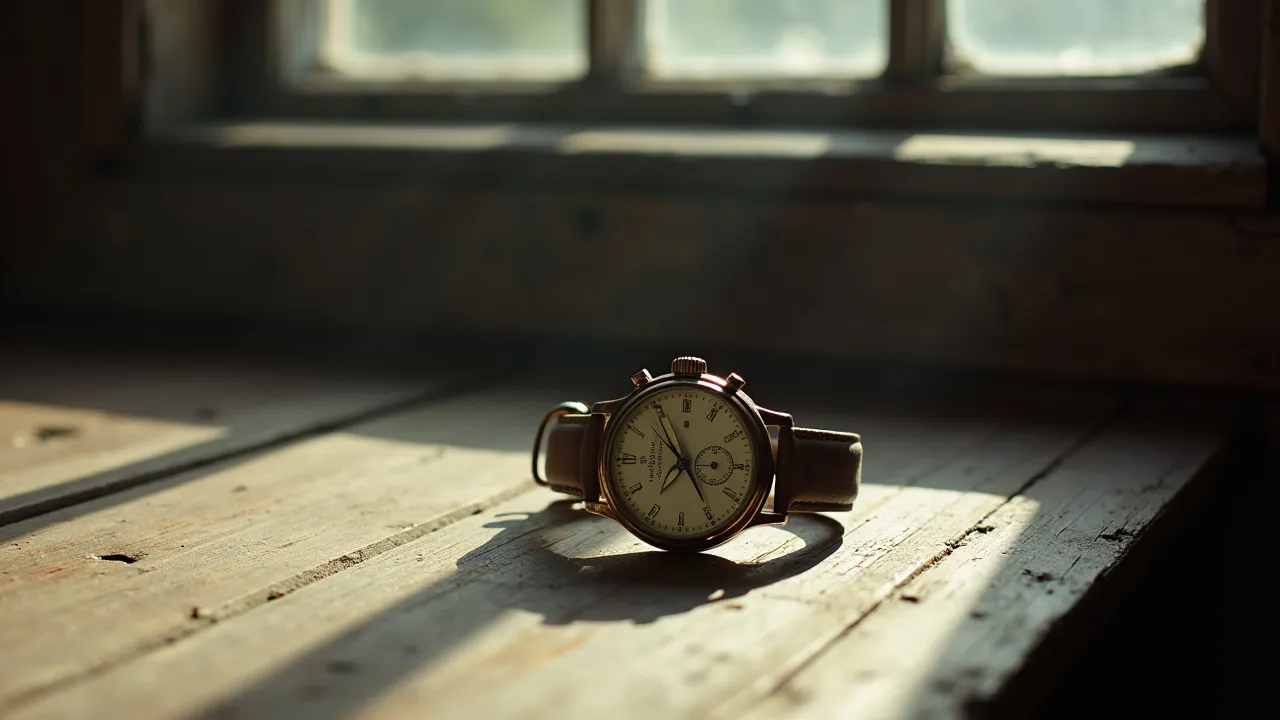
Celebrate the art of horology on June 19th with National Watch Day, honoring the craftsmanship and history of timepieces. Learn about the evolution of watches and how to appreciate this timeless accessory.
The Historical Origins & Evolutionary Journey
National Watch Day, observed annually on June 19th, celebrates the intricate world of horology—the art and science of timekeeping. Established in 2016 by the American Watchmakers-Clockmakers Institute (AWCI), this day honors the craftsmanship, innovation, and cultural significance of watches. From pocket watches to modern smartwatches, timepieces have evolved dramatically over centuries, reflecting human ingenuity and our eternal quest to measure time.
The Foundational Catalyst
The spark for National Watch Day came from the AWCI's desire to promote horology education and appreciation among the general public. Recognizing that watches are more than mere tools—they are works of art, engineering marvels, and heirlooms—the institute launched this observance to encourage people to explore the history and mechanics of timepieces. The date June 19th was chosen to coincide with the anniversary of the first wristwatch patent? Actually, it's tied to no specific historical event; rather, it was selected by the AWCI as a fixed date to avoid conflicting with other horological celebrations.
The Legislative/Official Adoption
While National Watch Day is not a federal holiday, it has been officially recognized through proclamations in various states and cities. The AWCI works with local governments and watch enthusiast groups to spread awareness. Key milestones include the first official celebrations in 2016, with events at museums, watchmaker schools, and retail stores. The day gained traction through social media campaigns using hashtags like #NationalWatchDay and #WatchAppreciationDay.
Modern Global Legacy
Today, National Watch Day is celebrated by watch collectors, brands, and enthusiasts worldwide. Major watch manufacturers often release limited-edition models or host open houses. Online forums and communities organize virtual meetups, while brick-and-mortar stores offer promotions and educational workshops. The day also serves as a platform to discuss the future of watchmaking, including sustainable practices and the resurgence of mechanical watches in a digital age.
How to Celebrate National Watch Day
National Watch Day offers countless ways to engage with the world of horology. Whether you're a seasoned collector or a curious newcomer, here are actionable ideas to make the most of June 19th.
For Individuals
- Wear Your Favorite Watch: Choose a timepiece that holds sentimental value or represents a milestone. Share a photo on social media with the story behind it.
- Learn About Horology: Watch documentaries or read articles about watchmaking history. Many museums offer virtual tours of their watch collections.
- Attend a Virtual Workshop: The AWCI and other organizations host online sessions on watch repair, maintenance, and history.
- Start a Collection: Visit a local watch shop or browse online marketplaces to find an affordable entry-level mechanical watch.
For Schools and Educators
- Horology Lesson Plan: Introduce students to the history of timekeeping, from sundials to atomic clocks.
- Hands-On Activity: Disassemble a simple quartz watch to understand gears and circuits (with safety precautions).
- Field Trip: Arrange a visit to a watch repair shop or a horological museum.
For Organizations and Brands
- Host an Open House: Invite the public to see watchmaking demonstrations and restoration projects.
- Charity Auction: Donate a portion of sales from limited-edition watches to horology education funds.
- Social Media Campaign: Encourage customers to share their watch stories with a dedicated hashtag.
Across different cultures, celebrations vary. In Switzerland, watch brands often offer factory tours. In Japan, collectors gather for "watch meets" to trade and discuss. In the USA, many watch enthusiasts host local meetups at cafes or parks. The unifying theme is appreciation for precision, artistry, and heritage.
The Art and Science of Watchmaking
Watchmaking, or horology, blends engineering, art, and tradition. This section explores the key components and innovations that define timepieces.
Mechanical Movements
At the heart of a mechanical watch lies the movement—a complex assembly of gears, springs, and jewels. The mainspring stores energy, which is transmitted through a gear train to the escapement, regulating the release of energy. The balance wheel oscillates at a precise frequency, ensuring accurate timekeeping. High-end watches often feature complications like chronographs, moon phases, and tourbillons.
Quartz Revolution
The 1970s quartz crisis revolutionized the industry. Quartz watches use a battery-powered electronic oscillator regulated by a quartz crystal, offering superior accuracy at lower cost. This innovation democratized timekeeping but threatened traditional mechanical watchmaking. Today, both technologies coexist, with quartz favored for everyday use and mechanical watches cherished for their craftsmanship.
Smartwatches and the Digital Future
Modern smartwatches combine traditional watch design with digital capabilities—fitness tracking, notifications, and apps. They represent a new frontier, yet they also spark debates about the definition of a "watch." National Watch Day acknowledges all forms, from vintage pocket watches to cutting-edge wearables.
Iconic Watch Brands and Their Legacies
Certain brands have shaped horological history. Here are a few that exemplify excellence.
- Rolex: Founded in 1905, Rolex pioneered the waterproof Oyster case and the self-winding Perpetual movement. Its models, like the Submariner and Daytona, are cultural icons.
- Patek Philippe: Known for ultra-complicated watches, Patek Philippe has been a family-owned powerhouse since 1839. Their timepieces often break auction records.
- Omega: The Speedmaster was the first watch worn on the moon during the Apollo 11 mission. Omega's precision and durability have made it a favorite for space exploration.
- Seiko: A Japanese giant, Seiko introduced the first quartz watch (Astron) in 1969 and continues to innovate with Spring Drive technology.
- Swatch: Revived the Swiss watch industry in the 1980s with affordable, colorful quartz watches, making horology accessible to all.
Caring for Your Timepiece
Proper maintenance extends the life of a watch. Here are essential tips.
Regular Servicing
Mechanical watches should be serviced every 3-5 years by a professional. This includes cleaning, oiling, and adjusting the movement. Quartz watches need battery changes every 1-2 years.
Storage
Store watches in a cool, dry place away from magnets. Automatic watches benefit from a watch winder if not worn daily. Avoid extreme temperatures and humidity.
Cleaning
Wipe the case and bracelet with a soft cloth. For water-resistant watches, rinse with fresh water after exposure to saltwater or sweat. Never use harsh chemicals.
The Global Impact of National Watch Day
Since its inception, National Watch Day has grown into a worldwide celebration. In 2023, over 50 countries participated through events and online engagement. The day fosters community among collectors, supports local watchmakers, and educates the public about the value of preserving horological heritage. It also highlights the economic significance of the watch industry, which contributes billions annually to global markets. The AWCI's initiative has inspired similar observances, such as "International Watch Day" on March 18, but June 19th remains the primary date for American horology enthusiasts.
Historical Timeline
First portable watches (pocket watches) appear in Europe, thanks to advances in spring technology.
Louis Cartier creates the first modern wristwatch for pilot Alberto Santos-Dumont.
Rolex launches the Oyster, the first waterproof and dustproof wristwatch.
Seiko introduces the Astron, the world's first quartz watch, sparking the quartz crisis.
The Hamilton Pulsar, the first digital electronic watch, goes on sale.
Apple releases the Apple Watch, popularizing smartwatches globally.
The American Watchmakers-Clockmakers Institute (AWCI) establishes National Watch Day on June 19th.
Virtual celebrations expand due to the COVID-19 pandemic, with online watch fairs and discussions.
National Watch Day reaches record participation, with events in over 50 countries and millions of social media impressions.