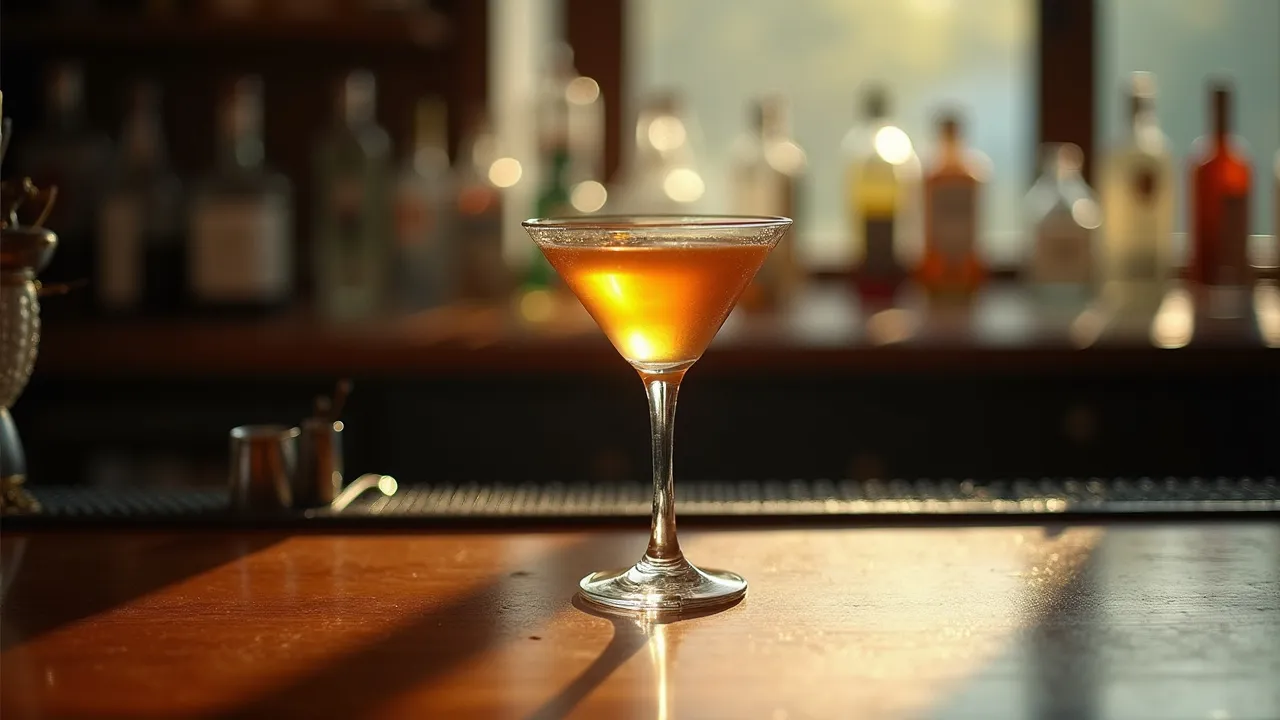
Celebrate National Martini Day on June 19th! Explore the history, perfect recipe, and cultural significance of the classic cocktail. Cheers to elegance and simplicity.
The Historical Origins & Evolutionary Journey
The Foundational Catalyst
The exact origins of the martini are shrouded in mixology lore, with competing claims from San Francisco and New York in the late 19th century. The first known recipe resembling the modern martini appeared in 1884, calling for sweet gin, vermouth, and orange bitters. The dry martini emerged in the early 20th century, shifting to dry gin and dry vermouth. Prohibition in the 1920s spurred creativity, and after repeal, the martini became a symbol of sophistication.
The Legislative/Official Adoption
National Martini Day was established in the early 2010s by cocktail enthusiasts and holiday advocacy groups, notably gaining recognition on nationaldaycalendar.com. The date June 19th was chosen to mark the start of summer cocktail season. Unlike federally recognized holidays, it is a cultural observance celebrated privately and commercially.
Modern Global Legacy
Today, the martini transcends borders, with countless variations from the Espresso Martini to the Dirty Martini. Its association with James Bond—"shaken, not stirred"—cemented its pop culture status. Bars worldwide host tastings and competitions on June 19th, reinforcing the martini's enduring appeal as a timeless classic.
How to Celebrate National Martini Day
Individual Celebrations
- Master the Classic Recipe: Use 2.5 oz gin (or vodka), 0.5 oz dry vermouth, stir with ice, strain into a chilled glass, garnish with olive or lemon twist.
- Host a Martini Tasting: Invite friends to sample different styles—dry, wet, dirty, Gibson—and vote on favorites.
- Learn the Etiquette: Stir for 30 seconds, never shake unless you're Bond, and serve immediately.
Corporate & Social Rituals
- Office Happy Hour: Organize a virtual cocktail class featuring martini-making tips from a professional mixologist.
- Restaurant Promotions: Many bars offer half-price martinis on June 19th—check local spots or craft your own at home.
- Social Media Challenge: Post a photo of your martini with the hashtag #NationalMartiniDay to join global celebrations.
Global Variations
In the USA, the day is marked by cocktail competitions. In the UK, it's a nod to Bond culture. In Japan, high-end hotels offer limited-edition martini flights. Australia embraces the Espresso Martini. Each region adapts local flavors—wasabi olives in Tokyo, fig-infused vermouth in France.
Types of Martinis: A Comprehensive Guide
Classic Variations
The Dry Martini is the purest form: a high ratio of gin to vermouth. The Wet Martini includes more vermouth for a softer taste. The Dirty Martini adds olive brine for a salty kick. The Gibson uses a pickled onion garnish instead of an olive.
Modern Innovations
- Espresso Martini: Vodka, coffee liqueur, fresh espresso—a post-dinner favorite.
- French Martini: Vodka, pineapple juice, raspberry liqueur.
- Appletini: Vodka, apple schnapps, lemon—sweet and tart.
- Vesper Martini: Bond's signature: gin, vodka, Kina Lillet, lemon twist.
Choosing Your Spirit
Traditionalists swear by London Dry Gin (e.g., Beefeater, Tanqueray). Vodka martinis—popularized in the 1950s—offer a neutral canvas. Expert tip: chill the glass beforehand for optimal crispness.
The Martini Glass: Design and Culture
The iconic V-shaped glass emerged in the early 20th century, designed to showcase the cocktail's clarity and keep ingredients cold. The long stem prevents hand-warming, while the wide rim facilitates aroma release. The glass has become a cultural symbol of elegance, frequently appearing in films and advertising. Modern reinterpretations include stemless versions and colored glass, but the classic shape remains standard for National Martini Day presentations.
National Martini Day Around the World
North America
In the US, June 19th sees promotions at major chains like The Capital Grille and Ruth's Chris. Canada embraces maple-infused martinis. Mexico uses tequila-based variations like the Mamacita.
Europe
In the UK, posh hotels host James Bond-themed events. Italy—home of vermouth—celebrates with traditional sweet martinis and food pairings. Scandinavia favors minimalist, high-proof editions.
Asia-Pacific
Japan's high-end bars offer omakase-style martini experiences. Australia runs competitions for the best Espresso Martini. Singapore adds tropical twists with pandan and coconut.
No matter where you are, the martini unites cultures through a shared appreciation for craftsmanship and conviviality.
The Martini in Pop Culture: James Bond and Beyond
James Bond famously ordered his martini "shaken, not stirred" in Ian Fleming's 1953 novel Casino Royale. This preference has sparked debate among purists (stirring preserves texture) but cemented the martini as a symbol of suave sophistication. Beyond Bond, the martini appears in Mad Men's mid-century offices, Sex and the City's Cosmopolitan (a variant), and countless other films. Its iconic silhouette remains shorthand for class, leisure, and a well-lived life. National Martini Day pays homage to this cultural legacy.
Historical Timeline
First known recipe for a 'Martini' published in a cocktail book by Jerry Thomas, calling for sweet gin, vermouth, orange bitters, and a cherry.
Dry martini emerges as a national trend, with bartenders increasing the gin-to-vermouth ratio.
Prohibition in the US boosts bathtub gin, but the martini remains a symbol of rebellion in speakeasies.
Ian Fleming publishes 'Casino Royale', introducing James Bond's 'shaken, not stirred' martini.
The Cosmopolitan and the Appletini revive interest in flavored martinis, expanding the category.
National Martini Day first recognized by food holiday calendars, observed on June 19th.
Virtual martini-making classes go viral during the pandemic, boosting home mixology.