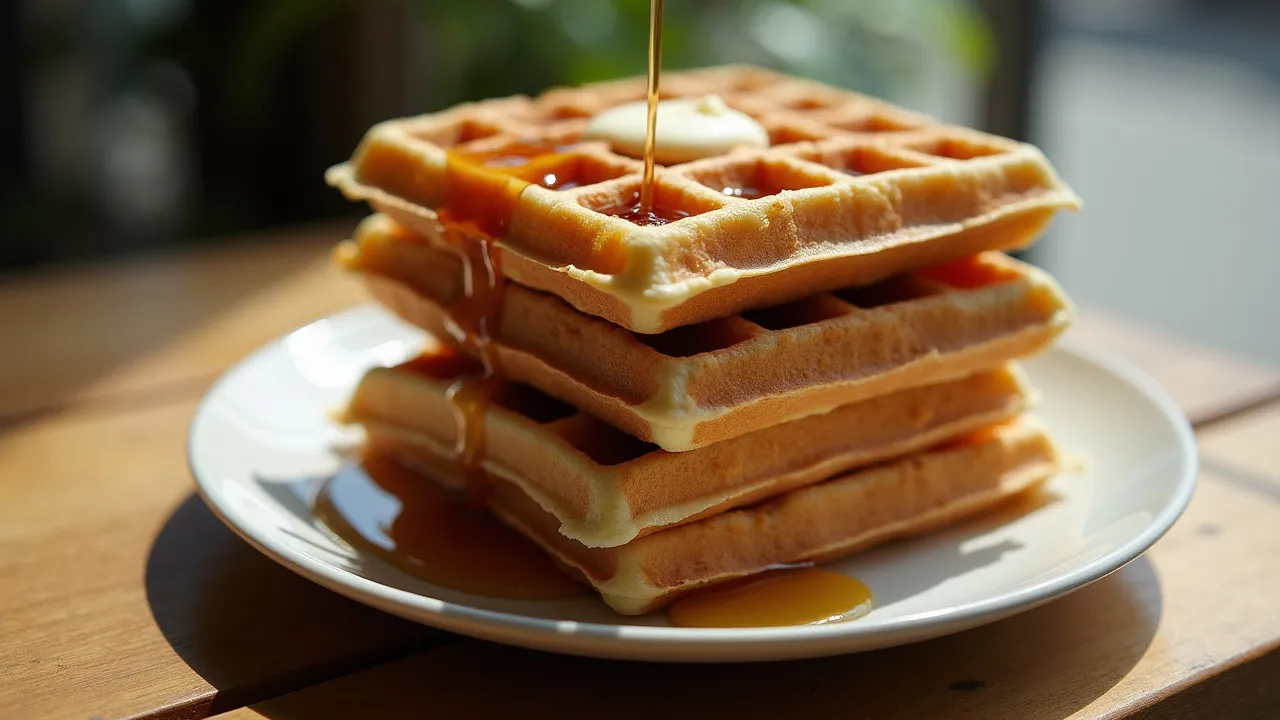
National Waffle Day, observed on August 24th, celebrates the crispy, golden waffle. Dive into its history from the 1869 waffle iron patent to modern traditions and discover how to enjoy this beloved breakfast treat.
The Historical Origins & Evolutionary Journey
National Waffle Day, observed annually on August 24th, traces its roots to a pivotal moment in culinary history: the patenting of the first waffle iron. This day honors the invention that made waffles a household staple, evolving from a simple batter cake to a global phenomenon.
The Foundational Catalyst
On August 24, 1869, Cornelius Swarthout of Troy, New York, received U.S. patent number 94,143 for a device that could cook both sides of a waffle simultaneously. His invention featured a hinged iron grid that could be placed over a flame, revolutionizing home cooking. Prior to this, waffles were made by pouring batter between two metal plates held over a fire, a tedious and uneven process. Swarthout's design ensured even browning and a characteristic grid pattern.
The Rise of Waffles in American Culture
Waffles quickly gained popularity in the late 19th and early 20th centuries. They were featured at the 1893 Chicago World's Fair, where they were served with a variety of toppings. The introduction of electric waffle irons in the 1910s made them even more accessible. By the 1950s, frozen waffles hit the market, with Eggo launching in 1953, making waffles a convenient breakfast option. The Waffle House restaurant chain, founded in 1955 in Georgia, further cemented waffles in American diner culture.
Modern Global Legacy
Today, National Waffle Day is celebrated not only in the United States but also around the world, though other countries have their own waffle days (e.g., International Waffle Day on March 25 in Sweden). The observance highlights the versatility of waffles—from sweet to savory, from Brussels to Liège. Social media has amplified the celebration, with millions sharing photos of their waffle creations using #NationalWaffleDay.
How to Celebrate National Waffle Day
National Waffle Day is the perfect excuse to indulge in this crispy, golden treat. Whether you prefer classic buttermilk or adventurous savory versions, here are definitive ways to celebrate:
Classic Waffle Recipes
Start with a basic batter: 2 cups flour, 1 tablespoon sugar, 2 teaspoons baking powder, 1 teaspoon salt, 2 eggs, 1.5 cups milk, and 1/3 cup melted butter. Whisk dry and wet ingredients separately, combine, and cook in a preheated waffle iron until golden. For variations:
- Belgian Waffles: Use yeast or extra egg whites for a lighter, crispier texture.
- Chocolate Waffles: Add 1/4 cup cocoa powder and increase sugar to 1/4 cup.
- Savory Waffles: Substitute buttermilk, add shredded cheddar and chives, and serve with fried chicken.
Creative Toppings
Move beyond syrup and butter. Try these combinations:
- Berry Bliss: Mixed berries, whipped cream, and a drizzle of honey.
- Banana Split: Sliced bananas, chocolate sauce, nuts, and a cherry.
- Savory Stack: Smoked salmon, cream cheese, capers, and dill.
- Decadent Delight: Nutella, strawberries, and powdered sugar.
Host a Waffle Party
Invite friends and family for a waffle bar. Set up multiple irons and a spread of batters, toppings, and syrups. Let guests customize their own creations. For a themed twist, try a waffle taco bar or waffle nachos with cheese and salsa.
The Global Waffle Culture & Regional Varieties
Waffles have transcended borders, adapting to local tastes and traditions. Here’s a look at how different cultures enjoy waffles:
Belgian Waffles
Belgium is the birthplace of two iconic waffles: the Brussels waffle (rectangular, light, and crispy) and the Liège waffle (oval, dense, and caramelized with pearl sugar). Both are often served as street food with toppings like whipped cream, fruit, or chocolate.
American Waffles
American waffles are typically thinner, with smaller grids, and are made from a leavened batter. They are a breakfast staple, often served with butter and maple syrup, or as part of the famous dish chicken and waffles. The Southern version features fried chicken atop a waffle, drizzled with hot honey or gravy.
Asian Waffles
In Hong Kong, egg waffles (gai daan jai) are spherical, bubble-like waffles made with custard batter, often served on a stick. In Japan, Taiyaki is a fish-shaped waffle filled with sweet red bean paste or custard. Korea offers gyeran ppang, a small waffle with a whole egg baked inside.
Scandinavian Waffles
In Sweden, waffles are heart-shaped and often served with jam and whipped cream. Norway has a similar tradition, with waffles (vaffler) being a common treat for coffee breaks, often with brunost (brown cheese) or sour cream.
The Science of Perfect Waffles
Creating the perfect waffle involves more than just following a recipe. Understanding the science behind the ingredients and cooking process can elevate your waffle game.
Batter Chemistry
Key components:
- Flour: Provides structure. All-purpose flour is standard, but cake flour yields softer waffles.
- Leaveners: Baking powder or yeast create bubbles that make waffles light. Yeast adds depth of flavor.
- Eggs: Whites stiffened with sugar can be folded in for extra crispness. Yolks add richness.
- Fat: Butter or oil keeps waffles tender and browns the exterior. Oil yields a crispier crust.
- Liquid: Milk or buttermilk adds moisture and tang. Buttermilk activates baking soda for extra lift.
Iron Temperature and Technique
Preheat the waffle iron thoroughly. A temperature of 375°F (190°C) is ideal for even browning. Cook until the steam stops and the waffle pulls away easily. Overfilling the iron results in messy overflow; use just enough to cover the grid.
Texture Troubleshooting
Common issues and fixes:
- Soggy waffles: Reduce liquid or increase oven time. Serve immediately or reheat in a toaster.
- Burnt exterior, raw interior: Batter is too thick. Thin with milk.
- Uneven browning: Rotate the iron halfway or ensure even batter distribution.
Waffle-Related Industry Impact
The waffle industry has grown into a multi-billion dollar sector, encompassing home appliances, frozen foods, and fast-casual dining.
The Waffle House Phenomenon
Founded in 1955 in Avondale Estates, Georgia, Waffle House has become an iconic American diner chain with over 1,900 locations. Known for its 24/7 service, simple menu, and Southern hospitality, Waffle House serves millions of waffles annually. It has also become a cultural touchstone, featured in music, movies, and even used as an indicator of storm severity (the "Waffle House Index").
Frozen Waffles Market
Frozen waffles revolutionized breakfast convenience. Eggo, introduced in 1953 by the Fremont Company, popularized the toaster waffle. Today, brands like Kellogg's Eggo, Kashi, and Nature's Path dominate the market, offering variations like whole grain, gluten-free, and protein-packed waffles. The global frozen waffle market is valued at over $1.5 billion and continues to grow.
Waffle Iron Innovation
Waffle irons have evolved from simple stove-top devices to sophisticated electric models. Features include non-stick plates, temperature control, and interchangeable grids for different shapes (hearts, characters). The rise of artisan waffle makers has spurred demand for high-end irons that can produce thick, Belgian-style waffles.
Symbolism and Traditions of National Waffle Day
Beyond the culinary delight, National Waffle Day carries symbolic meanings and traditions that bring people together.
A Symbol of Hospitality
In American culture, waffles are often associated with weekend brunches, family gatherings, and cozy mornings. The act of making waffles from scratch is seen as a gesture of care and hospitality. Waffle irons are passed down through generations, each batch carrying memories of shared meals.
Social Media and Community
National Waffle Day has become a trending topic on social media platforms. Users share their waffle creations, post photos with the hashtag #NationalWaffleDay, and participate in challenges like "Waffle Hack" videos. Brands also engage by offering discounts, new waffle flavors, or limited-edition merchandise.
Charitable Traditions
Some restaurants and organizations use National Waffle Day to give back. For example, Waffle House has been known to donate a portion of sales to local charities. Schools and churches hold waffle breakfast fundraisers, turning a beloved treat into a force for good.
Waffle Day Around the World
While the US celebrates on August 24, other nations have their own traditions. Sweden celebrates Våffeldagen (Waffle Day) on March 25, which coincides with the Feast of the Annunciation. In Norway, waffle day is often celebrated on March 25 as well, with heart-shaped waffles served with jam and sour cream.
Historical Timeline
Cornelius Swarthout patents the first waffle iron in the United States, patent number 94,143. This invention allowed for even cooking of both sides of the waffle, revolutionizing home waffle preparation.
Waffles are featured at the Chicago World's Fair, gaining national attention. Vendors serve them with a variety of toppings, introducing many Americans to the treat.
Electric waffle irons are introduced, making waffles more convenient to prepare at home. Brands like Sunbeam and General Electric begin manufacturing household models.
The Fremont Company introduces Eggo frozen waffles, the first frozen waffle brand. Initially called 'Froffles' (frozen waffles), the name was changed to Eggo in 1955.
The first Waffle House restaurant opens in Avondale Estates, Georgia. Founded by Joe Rogers Sr. and Tom Forkner, the chain grows into a cultural icon with over 1,900 locations.
National Waffle Day gains popularity through the internet and social media. The National Day Calendar recognizes August 24 as National Waffle Day, celebrating the patent of the waffle iron.
The National Day Calendar officially declares August 24 as National Waffle Day, solidifying the observance and encouraging widespread celebration.