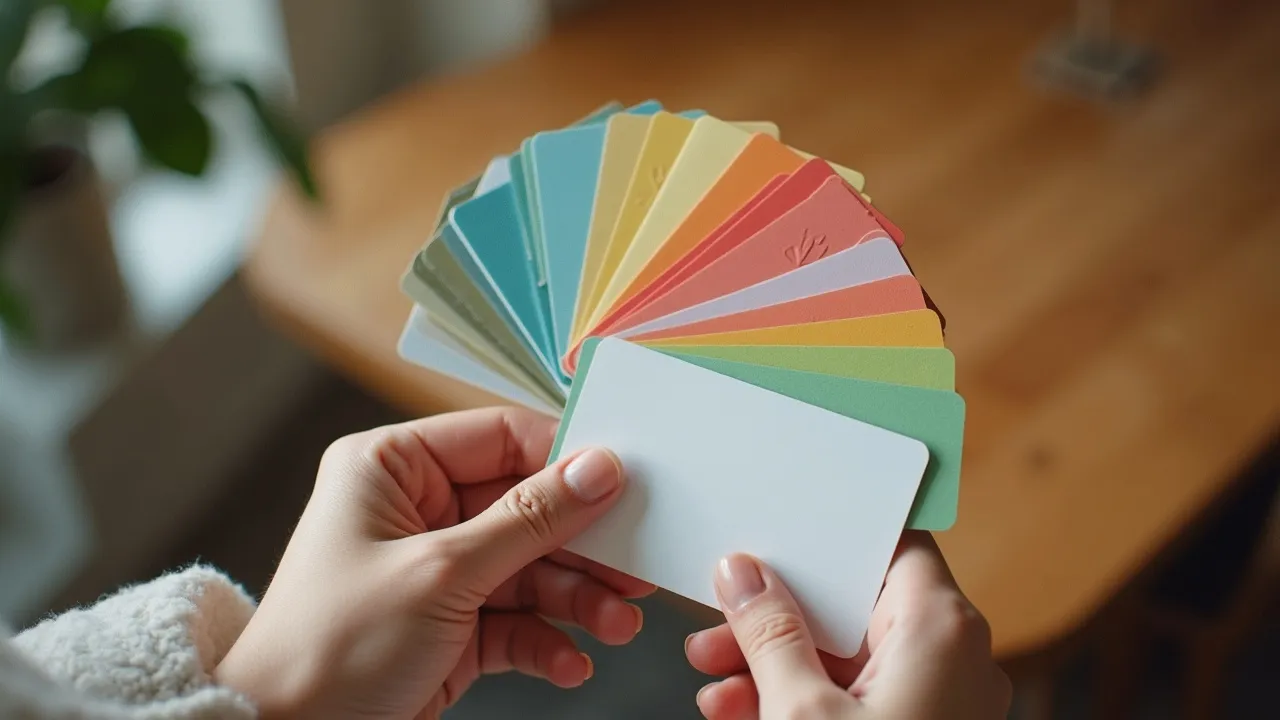
Observed on the third Saturday in January, National Use Your Gift Card Day encourages consumers to redeem unused gift cards, boosting retail traffic and personal budgets. Learn its history, impact, and celebration ideas.
The Historical Origins & Evolutionary Journey
National Use Your Gift Card Day was first observed in 2014 as a grassroots movement to address the staggering amount of unredeemed gift card value. According to industry estimates, consumers collectively leave billions of dollars unspent on gift cards annually. The day emerged from conversations among consumer advocates and retailers who recognized that unused gift cards represent a lost economic opportunity for both parties.
The Foundational Catalyst
The catalyst was a 2013 report from the Mercator Advisory Group revealing that over $40 billion in gift card value had gone unspent in the previous decade. Consumers often misplace cards, forget balances, or consider them too small to redeem. Retailers, meanwhile, benefit from breakage—the unspent portion that becomes pure profit. The movement aimed to flip this dynamic by creating a dedicated day that would remind people to dig out their gift cards and use them.
The Legislative/Official Adoption
Unlike federally recognized holidays, National Use Your Gift Card Day has no official government proclamation. It is an informal observance promoted by retail associations, banks, and financial literacy organizations. In 2016, the National Retail Federation officially endorsed the day in their marketing calendar. Several state governments have issued supportive proclamations, but no federal law establishes it.
Modern Global Legacy
Today, the day is recognized in the United States, Canada, Australia, and parts of Europe. Social media campaigns using #UseYourGiftCardDay generate millions of impressions. Retailers offer special promotions on this day, such as bonus gift cards with purchase or discounts for card users. The observance has also spurred the growth of gift card exchange platforms like Cardcash and Raise, which allow people to sell or trade unwanted cards.
How to Celebrate National Use Your Gift Card Day
Celebrating this day is simple: locate your unused gift cards and spend them. Below are structured activities for individuals, families, schools, and organizations.
For Individuals
- Inventory Check: Gather all gift cards from wallets, drawers, and apps. List balances using store websites or balance-checking tools.
- Consolidation Strategy: If you have multiple low-balance cards, consider combining them onto one e-gift card via Google Pay or Apple Wallet (where supported).
- Redemption Plan: Prioritize cards expiring soon. Many state laws prohibit expiration, but some promotional cards still have deadlines.
- Digital Cards: Check email accounts for forgotten e-gift cards. Search for terms like "gift card" or "e-certificate".
For Families
- Family Card Hunt: Turn it into a game—who can find the most hidden gift cards? Winner gets dinner out.
- Split and Share: If a card has a large balance, split among family members for small treats.
- Charity Option: Donate unused cards to a local nonprofit. Some charities accept gift cards as tax-deductible donations.
For Schools
Teachers can use the day to illustrate personal finance concepts. Classroom Activity: Students track hypothetical gift cards and calculate breakage, creating a real-world math lesson.
For Organizations
Employers can encourage employees to use company-issued gift cards or offer a "gift card bonus" for those who redeem. Retailers should run promotions: Example: "Bring in any gift card (even from competitors) and get 10% off your purchase."
Global Practices
In Canada, banks often waive gift card inactivity fees on this day. In Australia, shopping malls host "Gift Card Trader" events where people can swap cards. The United Kingdom sees a surge in online gift card marketplace activity.
Economic Impact of Gift Card Breakage
Gift card breakage—the percentage of value never redeemed—is a multi-billion-dollar phenomenon. In 2023, the CEB TowerGroup reported that roughly 2.5% of gift card value goes unused, equating to nearly $2.5 billion annually in the U.S. alone. National Use Your Gift Card Day directly combats this by incentivizing redemption. Key economic effects include:
- Retail Boost: Redemption drives foot traffic and incremental sales. Consumers often spend 20-40% more than the card value (the "uplift").
- Consumer Savings: Unused cards are essentially interest-free loans to retailers. Using them puts money back into consumers' pockets.
- Secondary Market Growth: The day boosts gift card exchange platforms, which make money on transaction fees.
State Law Differences
Some states require companies to turn over unclaimed gift card balances to the state as escheat property. This creates a compliance burden. The day helps reduce these liabilities for businesses.
Psychological Factors Behind Gift Card Hoarding
Why do people neglect gift cards? Behavioral economists point to several biases:
- Mental Accounting: People treat gift card money as "funny money" and forget it exists.
- Transaction Costs: The effort to redeem a small balance (e.g., $5) seems higher than the reward.
- Endowment Effect: Owners overvalue their cards and resist using them at less-than-ideal stores.
National Use Your Gift Card Day leverages social norms and deadlines to overcome these biases. Public reminders and retail promotions lower the psychological barrier.
Technological Evolution of Gift Cards
Gift cards have evolved from paper certificates to digital wallets. Today, e-gift cards dominate convenience. Blockchain-based gift cards are emerging, offering instant transfer and lower fraud risk. The day highlights this tech shift: many banks now integrate gift card management into their apps.
Digital Safety Tips
Use official retailer apps to check balances. Avoid third-party balance checking sites that may phish. Register cards on retailer portals for fraud protection.Environmental and Social Dimensions
Unused plastic gift cards contribute to waste. Many are made from PVC, which is non-biodegradable. Celebrating the day by using cards reduces their environmental footprint. Socially, the day prompts conversations about financial literacy and generosity. Some community groups collect unused cards to distribute to families in need, turning the observance into a day of giving.
Historical Timeline
Gift cards emerge as a replacement for paper gift certificates. Early adopters include major retailers like Blockbuster and The Gap.
The first major lawsuit over gift card expiration dates leads to widespread adoption of no-expiration policies in several U.S. states.
The Credit Card Accountability Responsibility and Disclosure (CARD) Act imposes federal restrictions on gift card fees and expiration dates, boosting consumer confidence.
Mercator Advisory Group reports over $40 billion in unredeemed gift card value. This sparks discussions about creating a national usage day.
National Use Your Gift Card Day is first informally observed on the third Saturday in January, promoted by consumer blogs and small retailers.
The National Retail Federation officially endorses the day, adding it to their promotional calendar. Many large retailers begin offering special discounts on this day.
During the COVID-19 pandemic, the day gains extra significance as people search for ways to stimulate local economies. Online gift card sales surge.
A record $2.5 billion in gift card value remains unused annually. The day is now recognized in over 10 countries, with major social media campaigns.