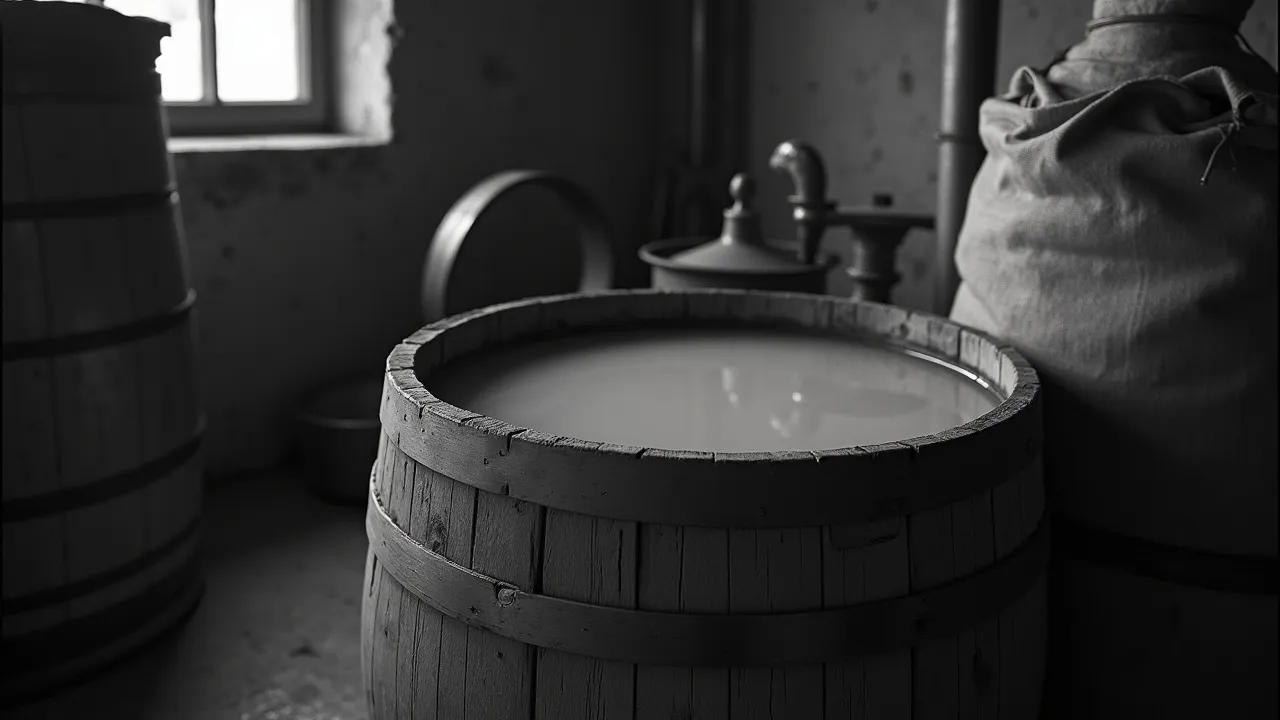
National Bootlegger's Day on January 17th honors the illicit liquor trade of the Prohibition era, coinciding with Al Capone's birthday. It celebrates the craft and history of bootlegging and moonshine.
The Historical Origins & Evolutionary Journey
National Bootlegger's Day, observed on January 17th, commemorates the birth of Al Capone, the most infamous bootlegger in American history. This day serves as a lens into the Prohibition era (1920-1933), when the production, transport, and sale of alcohol were banned across the United States. The bootlegging industry emerged as a massive underground economy.
The Foundational Catalyst
The Volstead Act of 1919 enabled the 18th Amendment, creating a nationwide dry law. This sparked a black market for alcohol. Bootleggers smuggled liquor from Canada, the Caribbean, and home stills. Organized crime flourished, with figures like Al Capone building empires.
The Legislative/Official Adoption
While not officially legislated, National Bootlegger's Day was popularized by National Day Calendar in 2015 as a humorous nod to the Prohibition era. January 17th was chosen to honor Capone's birthday (born January 17, 1899).
Modern Global Legacy
Today, the day recognizes the craft of moonshining and the cultural impact of bootlegging. It is celebrated by enthusiasts, distillers, and history buffs. Many use it to reflect on the unintended consequences of prohibition and the resilience of the human spirit.
How to Celebrate National Bootlegger's Day
Celebrating National Bootlegger's Day can be done in numerous ways, from educational activities to spirited gatherings. Below are actionable strategies for individuals, schools, and organizations.
For Individuals
- Host a Prohibition-themed party with speakeasy decorations, jazz music, and classic cocktails (using legal spirits).
- Visit a local distillery to learn about craft spirits and the history of moonshine.
- Watch documentaries about the Prohibition era, such as Ken Burns' 'Prohibition'.
- Read books about bootleggers like 'The Bootlegger' by John L. Smith.
For Schools
- Organize a history lesson on the 18th and 21st Amendments, focusing on the social impact.
- Discuss the economics of black markets and prohibition.
- Encourage creative projects like writing a diary entry from a bootlegger's perspective.
For Organizations
- Hold a fundraiser for substance abuse education, tying the day to responsible consumption.
- Conduct a tasting event of legal moonshine or craft cocktails.
- Share social media posts using #NationalBootleggersDay to spread awareness.
Remember: All celebrations should adhere to local laws regarding alcohol.
The Prohibition Era: A Deeper Dive
The Prohibition era (1920-1933) was a nationwide ban on alcohol in the United States. It began with the 18th Amendment and was enforced by the Volstead Act. The ban led to a rise in illegal production and distribution of alcohol.
Key Features
- Speakeasies: Illegal bars that operated secretly.
- Bootlegging: Smuggling of alcohol from outside sources.
- Moonshining: Home distillation of spirits.
- Organized Crime: Gangs fought for control of the black market.
The era ended with the 21st Amendment in 1933, which repealed prohibition. The failure of prohibition is often cited as a lesson in public policy.
Famous Bootleggers and Their Legacies
Beyond Al Capone, many bootleggers left a mark on history.
Al Capone
Scarface built a Chicago empire earning $100 million annually.George Remus
A lawyer who turned bootlegger, known for outsmarting the law.Bill McCoy
A rum-runner known for quality liquor, coining 'the real McCoy'.Joseph Kennedy Sr.
Made his fortune partly through bootlegging before becoming a political patriarch. Their stories highlight the entrepreneurship and violence of the era.Modern Moonshine Culture and Legal Distilling
Today, moonshine has become a legal and popular spirit.
Distilleries
across the U.S. produce craft moonshine, often using traditional recipes.Cultural Events
include moonshine festivals and tastings.Home distilling
remains illegal in many places without a license. The modern industry emphasizes quality and safety, contrasting with the dangerous bathtub gin of the past.Legal vs Illegal Distilling: A Global Perspective
Different countries have varied laws on distilling.
United States
Legal with a federal permit; illegal for personal use without license.New Zealand
Legal to distill for personal use.United Kingdom
Illegal without a license.Russia
Home distilling is common but technically banned. The line between craft and bootlegging often depends on compliance with tax and safety regulations.Historical Timeline
Al Capone is born on January 17th in Brooklyn, New York.
The Volstead Act is passed, enabling enforcement of Prohibition.
The 18th Amendment takes effect, banning alcohol nationwide.
Al Capone takes control of the Chicago Outfit, expanding bootlegging operations.
Al Capone is convicted of tax evasion, ending his bootlegging career.
The 21st Amendment repeals Prohibition on December 5th.
National Bootlegger's Day is first observed on January 17th by National Day Calendar.