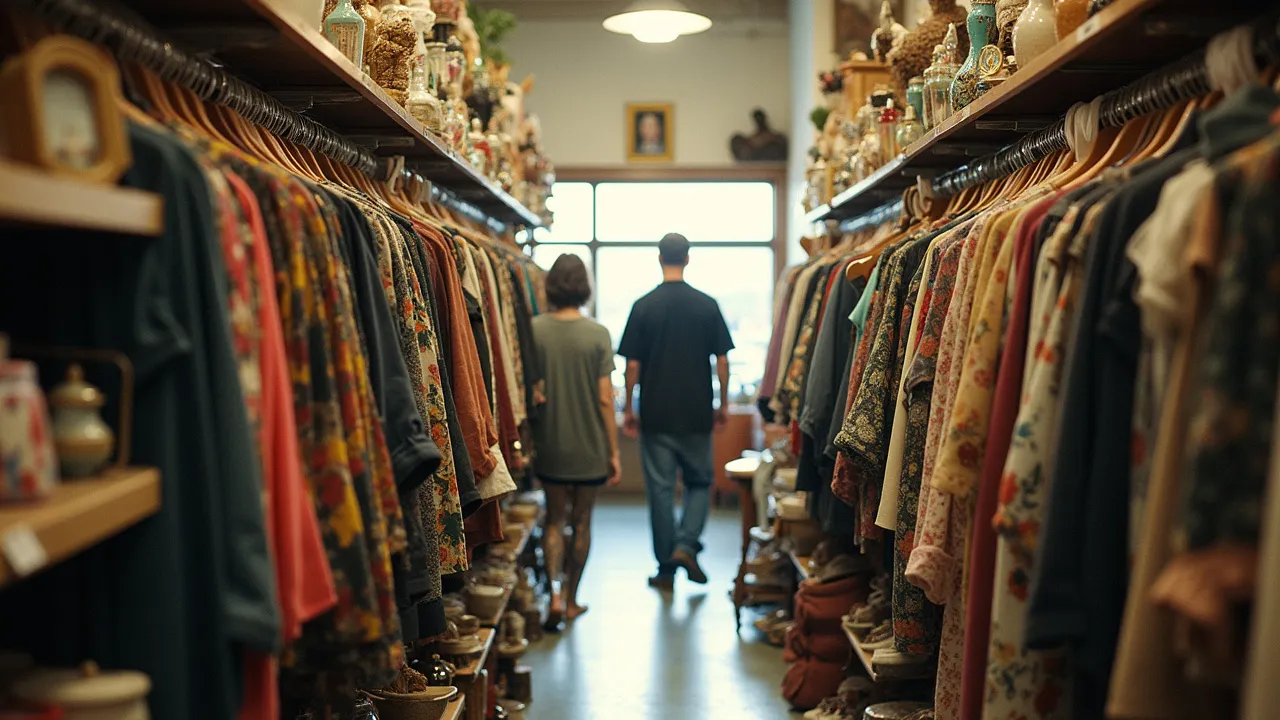
National Thrift Shop Day on August 17th celebrates secondhand shopping, promoting sustainability, community support, and unique finds. It honors the thrift store culture that reduces waste and funds charitable causes.
The Historical Origins & Evolutionary Journey
National Thrift Shop Day, observed on August 17th, has its roots in the early thrift store movement of the late 19th century. The concept of reselling used goods for charitable purposes emerged with organizations like the Salvation Army (founded in 1865) and Goodwill Industries (founded in 1902). These early thrift stores aimed to provide affordable goods and job training for the poor.
The Foundational Catalyst
The modern thrift store explosion began during the Great Depression, when economic hardship made secondhand shopping a necessity. After World War II, thrift stores became a staple of American retail, often run by charities. The 1970s and 1980s saw the rise of vintage clothing trends, attracting fashion-forward shoppers. By the 2000s, thrift shopping became a mainstream cultural phenomenon, boosted by environmental awareness and the 'reduce, reuse, recycle' ethos.
Legislative/Official Adoption of National Thrift Shop Day
The specific day of August 17th was established in 2015 through a collaborative effort by Goodwill Industries International and other thrift store chains. The goal was to create an annual celebration that encourages shopping secondhand, supports local communities, and highlights the environmental benefits of reusing goods.
Modern Global Legacy
Today, National Thrift Shop Day is celebrated across the United States and increasingly worldwide. Major thrift retailers—such as Goodwill, Salvation Army, Savers, and local consignment shops—offer special discounts, donation drives, and social media campaigns. The day also aligns with sustainable fashion movements like #SecondHandSeptember.
How to Celebrate National Thrift Shop Day
Celebrating National Thrift Shop Day is about embracing secondhand shopping and its benefits. Here is the ultimate guide to participating:
For Individuals & Families
- Shop at a thrift store: Visit your local Goodwill, Salvation Army, or independent thrift shop. Make a list of needed items to stay focused.
- Donate gently used items: Clean out closets and drop off clothing, electronics, books, and household goods to support charitable missions.
- Host a clothing swap: Invite friends to exchange clothes, accessories, and home decor. Extend the life of items and have fun.
- Share on social media: Post photos of thrift finds using #NationalThriftShopDay to inspire others.
For Schools & Organizations
- Organize a donation drive: Collect items from the community and donate to a local thrift store supporting a cause.
- Educational workshops: Teach about sustainable fashion, textile waste, and the circular economy.
- Volunteer: Spend a few hours sorting donations or assisting customers at a thrift store.
Corporate & Social Rituals
Many thrift chains run special promotions on August 17th, such as 50% off certain items or free donation pickups. Some brands collaborate with influencers to showcase vintage style. In the UK, charities like Oxfam hold events highlighting secondhand fashion. In Japan, 'recycle shops' offer trendy secondhand goods, and National Thrift Shop Day aligns with 'Mottai-nai' (waste not) culture.
Environmental & Economic Impact of Thrift Shopping
Thrift shopping significantly reduces environmental strain. The fashion industry produces 10% of global carbon emissions, and thrifting extends the life of garments, cutting down on pollution and landfill waste. Key benefits include:
- Saved resources: Each recycled garment saves about 2,700 liters of water.
- Reduced carbon footprint: Buying secondhand avoids the emissions from new manufacturing.
- Less textile waste: Over 11 million tons of textile waste end up in US landfills yearly; thrifting diverts some of that.
Economically, thrift stores provide affordable goods to low-income families, create jobs, and fund charitable programs. Goodwill alone employs over 100,000 people, many with disabilities or barriers to employment. The annual revenue of US thrift stores exceeds $17 billion, channeling profits into community services.
Thrift Shopping Across Cultures & Countries
While August 17th is the primary US date, other regions have distinct thrift traditions. United Kingdom: Charity shops operated by Oxfam, British Red Cross, and local hospices are central; National Thrift Shop Day here coincides with 'Charity Shop Week' in September. Australia: Op shops (opportunity shops) run by Salvation Army and Vinnies celebrate with sales and events. Japan: Secondhand shops like Book Off and Hard Off focus on electronics and books, often on different dates. Germany: Sozialkaufhäuser (social department stores) sell donated goods to support social projects. Global trend: Online resale platforms like Depop, ThredUp, and Vinted have expanded thrift culture year-round, but August 17th remains a focal point for physical store celebrations.
The Rise of Online Resale & Thrift Culture
The digital revolution has transformed thrift shopping. Online platforms allow users to buy and sell used items from anywhere, making thrift accessible 24/7. Key players include:
- ThredUp: Largest online consignment store, offering affordable secondhand clothes.
- Depop: Social marketplace popular with Gen Z for vintage and unique fashion.
- Poshmark and Vinted: Peer-to-peer platforms for clothing and accessories.
On National Thrift Shop Day, these apps often feature special discounts or donation matching. The online thrift market is projected to reach $77 billion by 2025, reflecting a permanent shift in consumer behavior toward sustainability and affordability.
How Thrift Stores Support Charitable Causes
Most thrift stores are mission-driven. Goodwill uses proceeds to provide job training and employment services. Salvation Army funds rehabilitation centers, homeless shelters, and disaster relief. Local thrift shops often support animal rescues, schools, or religious organizations. Examples of impact:
- In 2023, Goodwill helped over 1.5 million people find jobs.
- The Salvation Army's thrift stores support 10,000+ social service centers worldwide.
- Hospital thrift shops raise millions for medical research and patient care.
By shopping or donating on August 17th, consumers directly contribute to these causes, amplifying the day's significance beyond personal benefit.
Tips for Thrify Shopping Success
Maximize your thrift store experience with these expert tips:
- Go often and be patient: Inventory changes constantly; frequent visits yield best finds.
- Check quality: Inspect for stains, tears, or missing buttons. Most scores are easy fixes.
- Try everything on: Sizes vary by brand and era. Use fitting rooms.
- Shop off-season: Winter coats are cheap in summer; swimsuits in fall.
- Look beyond clothing: Books, electronics, furniture, and housewares offer unique deals.
- Know discount days: Many stores have color-tag sales where certain tags are 50% off.
- Bring cash: Smaller shops sometimes charge a fee for card payments.
- Use your senses: Trust your nose for musty smells and your eyes for hidden gems.
These strategies ensure a rewarding and sustainable shopping experience on National Thrift Shop Day and beyond.
Historical Timeline
The Salvation Army opens its first thrift store in London to help the poor.
Goodwill Industries is founded by Rev. Edgar J. Helms in Boston, starting a used goods collection program.
Thrift stores become essential during the Great Depression, offering affordable goods.
Salvation Army officially launches Thrift Stores in the US as a major fundraising arm.
Vintage clothing boom begins, especially among youth rebelling against fast fashion.
First National Thrift Shop Day celebrated on August 17th, established by Goodwill and other organizations.
COVID-19 pandemic spurs online thrifting growth; platforms like Depop and ThredUp see record sales.
National Thrift Shop Day reaches global awareness, with events in over 20 countries.