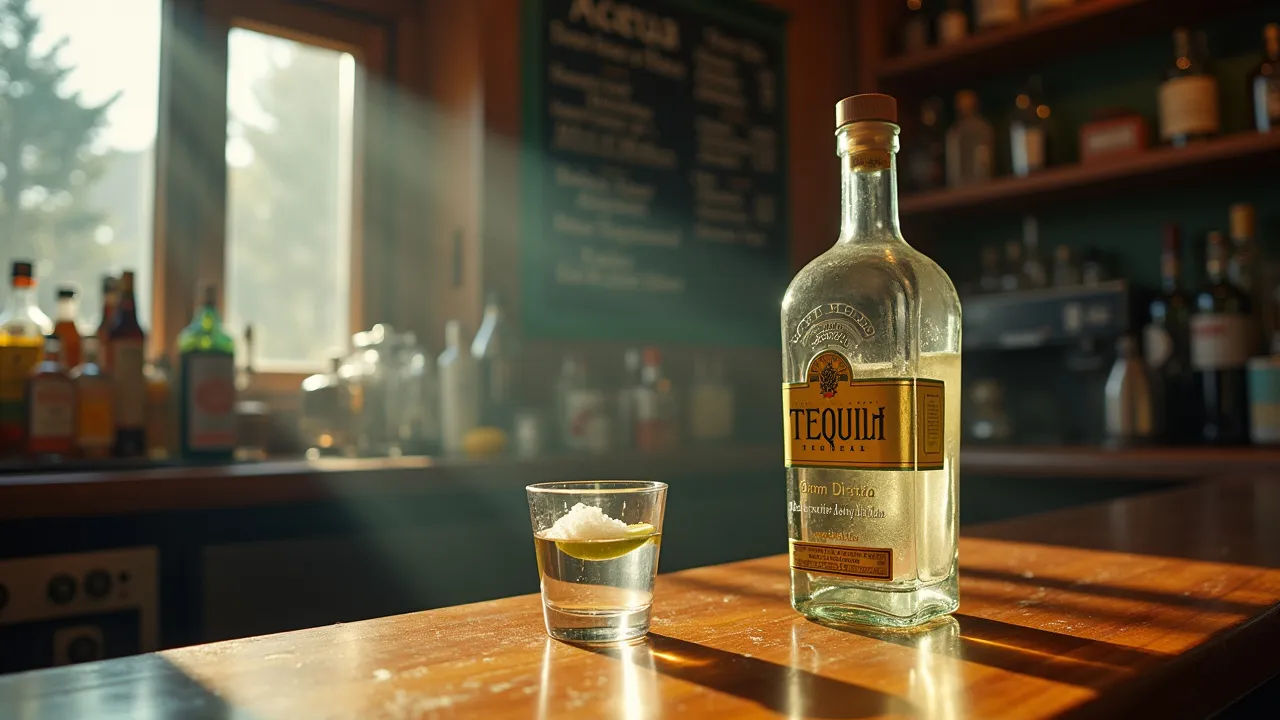
Celebrated annually on July 24th, National Tequila Day honors Mexico's iconic agave spirit. From its ancient roots to modern craft distilleries, this day invites sippers worldwide to enjoy tequila responsibly through tastings, cocktails, and cultural appreciation.
The Historical Origins & Evolutionary Journey
National Tequila Day, observed annually on July 24th, is a spirited celebration of Mexico's most famous distilled beverage. While the exact origin of the holiday remains murky, its growth mirrors tequila's transformation from a regional Mexican drink to a global cultural icon. This section dives deep into the authentic history, from pre-Hispanic agave fermentation to the modern-day craft distillery movement.
The Foundational Catalyst
Tequila's story begins long before the Spanish conquest. Indigenous peoples in what is now western Mexico fermented the sap of the agave plant to produce pulque, a milky alcoholic beverage used in rituals. However, the true ancestor of tequila emerged after Spanish colonizers introduced distillation techniques in the 16th century. By the early 1600s, the first large-scale distillery in Tequila, Jalisco, was producing a spirit known as mezcal wine.
The key catalyst for modern tequila was the establishment of the Denomination of Origin (DO) for Tequila in 1974. This step legally protected the name "tequila" exclusively for spirits made from Agave tequilana Weber blue variety grown in designated Mexican states. This legislative move not only standardized production but also spurred a global marketing push. The Norma Oficial Mexicana (NOM) followed in 1992, setting strict regulations on production methods, aging categories, and labeling.
The Legislative/Official Adoption
While National Tequila Day is not a federally recognized holiday, it gained traction through corporate marketing, social media campaigns, and grassroots celebration among bartenders and tequila aficionados. The Tequila Regulatory Council (CRT) and major brands like Jose Cuervo and Patrón have unofficially endorsed July 24th as the day to raise a glass. Some sources suggest the date was chosen simply because it falls in the middle of summer, a peak time for cocktail consumption.
Interestingly, the Mexican government does not officially designate a "National Tequila Day"—instead, a separate National Mezcal Day exists on October 20. The July 24th observance is primarily an American invention, yet it has been embraced globally as a tribute to Mexican craftsmanship.
Modern Global Legacy
Today, National Tequila Day is celebrated on every continent, with events ranging from agave farm tours in Jalisco to cocktail competitions in Tokyo. The spirit's popularity has exploded, with premium and extra-aged expressions (añejo, extra añejo) leading luxury spirits growth. The holiday also serves as an educational moment, highlighting sustainable agave farming and fair-trade practices that protect both the environment and rural communities.
In summary, the journey of National Tequila Day mirrors the spirit itself: rooted in tradition, refined by regulation, and now enjoyed worldwide as a symbol of Mexican heritage.
How to Celebrate National Tequila Day
Whether you are a seasoned connoisseur or a curious novice, National Tequila Day offers endless opportunities to appreciate this complex spirit. Below is a comprehensive guide to celebrating authentically and responsibly.
At Home or with Friends
- Host a Tequila Tasting: Gather 3-5 different types (blanco, reposado, añejo, extra añejo). Use clear glasses, sip slowly, and note differences in aroma and taste.
- Master Classic Cocktails: Learn to make a perfect Margarita (2 oz tequila, 1 oz lime juice, 1 oz agave syrup, shaken with ice) or a Paloma (tequila, grapefruit soda, lime).
- Food Pairing: Prepare tacos, ceviche, or grilled citrus chicken. Tequila's herbaceous notes complement spicy and acidic dishes.
At Bars and Restaurants
- Visit a reputable tequila bar that offers flights or a curated list of additive-free brands.
- Ask the bartender for a recommended sipping tequila—often a reposado or añejo from a highland distillery.
- Attend a tasting event hosted by a local agave spirits club or a Mexican restaurant.
Educational Activities
- Watch Documentaries: "Tequila: The Spirit of Mexico" or "Hecho en Mexico" explore the cultural and environmental impact.
- Learn the Regions: Tequila is produced in five Mexican states: Jalisco (majority), Guanajuato, Michoacán, Nayarit, and Tamaulipas. Each region's terroir (red clay vs. volcanic soils) influences flavor.
- Support Sustainability: Look for brands that recycle agave fibers, use organic farming, or donate to local communities.
Celebration Across Cultures
In Mexico, the day is often marked with mariachi music, traditional food like pozole, and of course, tequila shots with sangrita (a spicy fruit chaser). In the United States, many bars offer $5 margarita specials, while Europe has seen a rise in tequila cocktail pop-ups. Always remember to drink responsibly—use a designated driver and pace yourself with water between servings.
The Cultural Significance of Tequila in Mexico
Tequila is far more than a drink in Mexico—it is a pillar of national identity, deeply interwoven with history, art, and community. The UNESCO designation of the Agave Landscape and Ancient Industrial Facilities of Tequila as a World Heritage site in 2006 underscores its global cultural importance.
Agave: The Heart of Mexican Heritage
The blue agave plant (Agave tequilana) has been cultivated for centuries. Jimadores (agave farmers) use traditional techniques to harvest the piñas, which are then roasted in brick ovens or autoclaves. This connection to the land is celebrated in festivals such as the Feria Nacional del Tequila in Tequila, Jalisco, every autumn. The town's cobblestone streets and haciendas draw tourists year-round.
Rituals and Traditions
In many Mexican households, tequila is reserved for special occasions—weddings, quinceañeras, and holidays like Día de los Muertos. A common toast is "¡Salud!" followed by a sip of blanco tequila with a piece of orange and cinnamon. The custom of licking salt and sucking lime before a shot was popularized in the US but is rare in Mexico, where tequila is typically sipped or mixed in cocktails like the Paloma.
Economic and Social Impact
The tequila industry employs over 70,000 people in Mexico and supports countless families in rural Jalisco. The growth of craft tequila has empowered small producers and revived ancient techniques, such as using tahona stones to crush agave. However, challenges like agave price volatility and water scarcity threaten sustainability. Responsible celebration includes supporting brands that invest in environmental stewardship.
Tequila vs. Mezcal: Understanding the Differences
A common question on National Tequila Day is: "What's the difference between tequila and mezcal?" While both are agave spirits, they differ fundamentally in production, flavor, and regulation.
Agave Species and Region
- Tequila: Must be made from Agave tequilana Weber blue variety, grown in designated regions (primarily Jalisco).
- Mezcal: Can be made from over 30 agave species, with espadín being the most common. It is produced in nine Mexican states, with Oaxaca being the most famous.
Production Methods
The key distinction is how the agave hearts (piñas) are cooked. For tequila, piñas are steamed in industrial ovens or autoclaves, resulting in a cleaner, more neutral flavor. Mezcal piñas are roasted in earthen pits lined with volcanic rock and wood, giving it a distinct smoky character. Mezcal is also often distilled in clay or copper pots, whereas tequila uses stainless steel.
Aging Categories
Both spirits follow similar aging classifications:
- Blanco or Joven: Unaged or rested less than two months (tequila blanco; mezcal joven).
- Reposado: Aged 2 months to 1 year in oak.
- Añejo: Aged 1 to 3 years.
- Extra Añejo: Aged over 3 years (tequila only).
Ultimately, the choice between tequila and mezcal comes down to personal preference. Celebrate National Tequila Day by exploring both—try a blanco Margarita for crispness, then a smoky mezcal cocktail for complexity.
Health Considerations and Responsible Drinking
While National Tequila Day is a time for enjoyment, it is crucial to prioritize health and safety. This section covers both the potential benefits and risks of tequila consumption.
Potential Health Notes
In moderation, tequila made from 100% agave (without added sugars) contains agavins, a type of dietary fiber that may help regulate blood sugar. Some studies suggest moderate consumption could support digestion and bone health, but these claims are not definitive. Always consult a healthcare professional.
Risks and Precautions
- Alcohol Poisoning: Overconsumption can be fatal. Know your limits.
- Additives and Hangovers: Many cheaper tequilas contain added sugars, caramel color, or glycerin to mask harshness. These can worsen hangovers. Choose 100% agave with no additives (check the label).
- Interactions: Tequila can interact with medications, especially blood thinners and antidepressants. Avoid drinking if you are pregnant or have certain medical conditions.
Responsible Celebration Tips
- Hydrate: Drink a glass of water between each alcoholic beverage.
- Eat beforehand: A meal with protein and healthy fats slows alcohol absorption.
- Plan transportation: Use ride-sharing services or designate a sober driver.
- Pace yourself: Sip slowly, savoring the flavor rather than taking shots.
By celebrating responsibly, you ensure that National Tequila Day remains a positive experience for everyone.
The Economic Impact of the Tequila Industry
National Tequila Day also shines a light on the massive economic engine behind the spirit. From agave farmers to global distributors, the industry supports hundreds of thousands of livelihoods and contributes billions to Mexico's economy.
Global Market Size
In 2023, the tequila market was valued at over $13 billion USD, with projections to reach $20 billion by 2030. The United States accounts for roughly 80% of tequila exports, but demand is rising in China, Europe, and Australia.
Supply Chain and Employment
- Over 300 million agave plants are harvested annually in Mexico.
- More than 140 distilleries operate under the Tequila Regulatory Council.
- The industry supports ~70,000 direct jobs (harvesting, production, bottling) and double that indirectly (transportation, marketing, hospitality).
Challenges
Agave farming is labor-intensive and vulnerable to pests (like the agave weevil) and climate change. Price volatility—a single piña can cost from 5 to 50 pesos depending on supply—makes planning difficult for small producers. Additionally, the rise of celebrity-endorsed brands has crowded the market, sometimes prioritizing packaging over quality. Supporting artisanal, additive-free labels helps preserve traditional craftsmanship.
Pairing Tequila with Food
A sophisticated way to celebrate National Tequila Day is by pairing tequila with food. The spirit's diverse flavor profile—ranging from peppery and citrusy in blancos to oaky and caramelized in añejos—can complement a wide array of dishes beyond Mexican cuisine.
Pairing by Category
- Blanco Tequila: Bright, fresh flavors pair with ceviche, oysters, fresh salads, and spicy Asian dishes. Try with a squeeze of lime.
- Reposado Tequila: Subtle oak and vanilla notes work with grilled chicken, roasted vegetables, and creamy pasta. Excellent with mole sauce.
- Añejo Tequila: Rich, woody character matches grilled steak, smoked meats, dark chocolate, and aged cheese like Manchego.
Classic Combinations
- Margarita + Tacos al Pastor: The acidity of the cocktail cuts through the pork's richness.
- Paloma + Grilled Shrimp: Grapefruit and tequila elevate citrusy seafood.
- Sipping Añejo + Dark Chocolate: A decadent finale that highlights cacao and caramel notes.
When hosting a pairing party, provide tasting notes cards and encourage guests to experiment. Remember that water and fresh fruit are ideal palate cleansers.
Historical Timeline
Spanish colonists in Jalisco begin distilling fermented agave juice, creating an early form of tequila known as 'mezcal wine'.
The Mexican government obtains an international Denomination of Origin (DO) for Tequila, protecting the name and requiring production from blue agave in specific states.
Norma Oficial Mexicana (NOM) is implemented, classifying tequila by aging: Blanco, Reposado, Añejo, and later Extra Añejo, and regulating production standards.
National Tequila Day on July 24th gains popularity through social media and bar promotions, becoming a global unofficial celebration.
UNESCO designates the Agave Landscape and Ancient Industrial Facilities of Tequila as a World Heritage site, recognizing the cultural value of tequila production.
Premium and craft tequila brands surge, with additive-free labels and single-estate expressions leading a quality revolution.
Global tequila market exceeds $13 billion USD, with significant growth in Asia-Pacific and Europe, while sustainability initiatives become industry priorities.