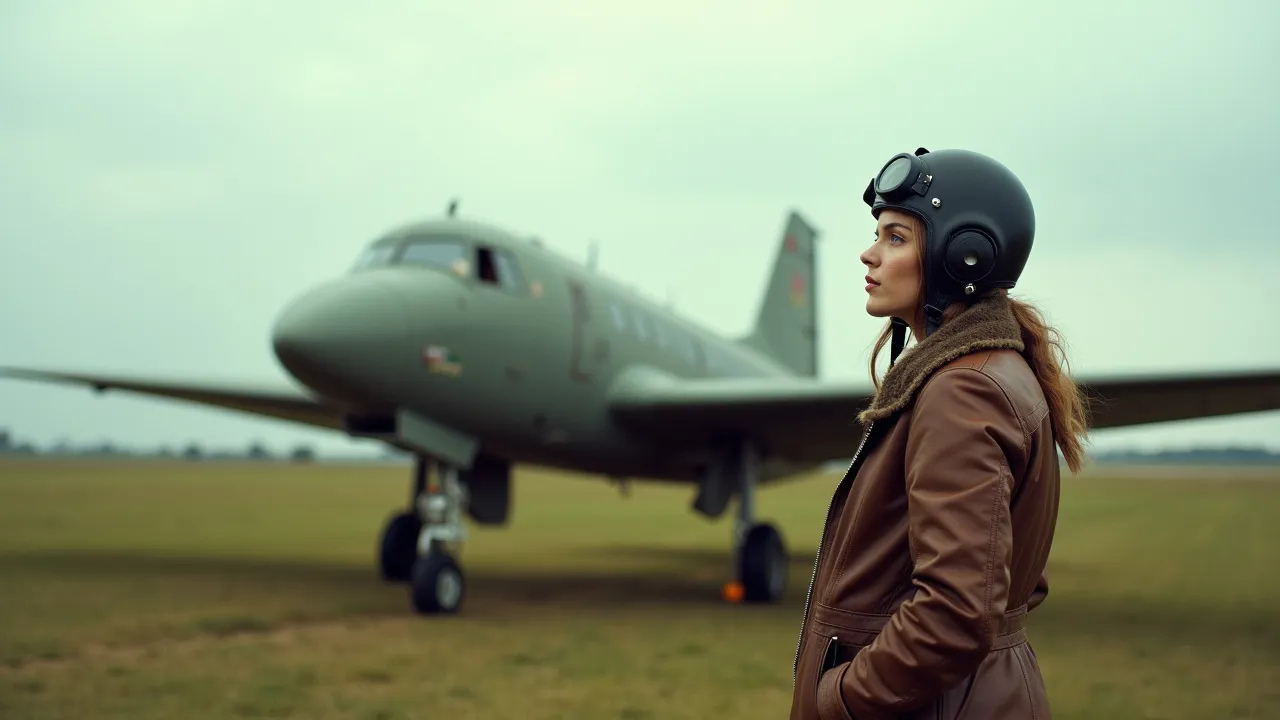
Amelia Earhart Day, observed on July 24th, honors the pioneering aviator's legacy of courage and women's empowerment. Celebrate by exploring aviation history, supporting women in STEM, and retracing her transatlantic flights.
The Historical Origins & Evolutionary Journey
Amelia Earhart Day, observed annually on July 24th, commemorates the birth of one of aviation's most iconic figures. Amelia Mary Earhart was born on July 24, 1897, in Atchison, Kansas. The day was formally recognized by the U.S. Congress in 1997, the centennial of her birth, cementing her place in American history. However, celebrations of her achievements had been informal for decades among aviation enthusiasts and women's rights advocates.
The Foundational Catalyst
Earhart's disappearance in 1937 during an attempt to circumnavigate the globe sparked enduring public fascination. Her legacy as a symbol of bravery, equality, and exploration grew steadily, inspiring movements from the Women's Airforce Service Pilots (WASPs) of World War II to modern feminist initiatives. The push for a dedicated day gained momentum in the 1980s and 1990s, led by organizations such as The Ninety-Nines, an international organization of women pilots founded by Earhart herself.
The Legislative/Official Adoption
In 1997, a joint resolution of Congress designated July 24 as Amelia Earhart Day. President Bill Clinton issued a proclamation honoring her as "a pioneer in aviation and a champion of women's rights." Following this federal recognition, airports, museums, and aviation clubs worldwide began hosting annual events. Schools incorporated her story into curricula, and media outlets used the occasion to highlight ongoing gender disparities in STEM fields.
Modern Global Legacy
Today, the observance extends beyond the United States. Countries like Canada, the United Kingdom, and Australia hold lectures, film screenings, and flying exhibitions. The day has evolved into a platform for advocating for girls' education in aviation and space. Modern celebrations often feature all-female flight crews, scholarships announcements, and social media campaigns such as #AmeliaEarhartDay. The day also serves as a reminder of the unsolved mystery of her final flight, driving renewed search efforts and historical research.
How to Celebrate Amelia Earhart Day
Whether you're an aviation enthusiast, a history buff, or an advocate for gender equality, Amelia Earhart Day offers numerous ways to honor her legacy. Below are structured celebrations for individuals, schools, and organizations.
Personal & Family Activities
- Visit a Aviation Museum: Explore exhibits featuring Earhart's Lockheed Vega or other vintage aircraft. Many museums offer free admission on July 24th.
- Read Her Writings: Dive into her books like 20 Hrs., 40 Min. or biographies to understand her mindset.
- Host a Documentary Night: Watch films such as Amelia (2009) or the 2023 docuseries Earhart's Final Flight.
- Fly a Kite: A symbolic activity representing Earhart's love for the sky.
School & Community Events
- Organize a STEM Workshop: Partner with local airlines or aerospace companies to teach girls about engineering and piloting.
- Launch a Paper Airplane Contest: Incorporate lessons on aerodynamics and Earhart's record flights.
- Host a Career Panel: Invite women in aviation (pilots, air traffic controllers, astronauts) to speak.
Corporate & Social Media Rituals
- All-Female Flight Crew: Airlines like Delta and American have occasionally scheduled all-women cockpit crews on July 24th.
- Social Media Takeover: Use #AmeliaEarhartDay to share quotes, photos, and modern aviatrix stories.
- Donate to Aviation Charities: Support organizations like Women in Aviation International or The Ninety-Nines.
In different regions, traditions vary: In New Zealand, a commemorative flyover by the Royal New Zealand Air Force occurs; in the UK, the Science Museum in London hosts a special lecture. Adapt local resources to create a personally meaningful celebration.
Global Impact of Amelia Earhart Day
Amelia Earhart Day transcends borders, influencing cultural perceptions of women in aviation and technology. Globally, the day is used to highlight the underrepresentation of women in STEM: according to UNESCO, women make up only 28% of engineering graduates. Earhart's story serves as a rallying point for change. In India, the day is celebrated with a National Girls in Aviation Day event; in Kenya, it coincides with the Women in Aviation Africa conference. The day also boosts tourism to Atchison, Kansas, where the Amelia Earhart Birthplace Museum sees a 40% spike in visitors. Furthermore, international search expeditions for her remains are often timed around July 24th, keeping the mystery alive in public discourse.
Aviation Industry Recognition
Major airlines use the day to announce diversity initiatives. For example, in 2023, Boeing launched a scholarship for female pilots. The FAA often releases new data on women pilot numbers: as of 2024, only 6% of pilots worldwide are women, a figure Earhart would have aimed to improve.
Amelia Earhart's Enduring Aviation Legacy
Beyond the day itself, Earhart's contributions to aviation are profound. She set many records: first woman to fly solo across the Atlantic (1932), first person to fly solo from Hawaii to the U.S. mainland (1935), and set altitude records. She was a founding member of The Ninety-Nines and served as their first president. Her fashion line of functional women's clothing also reflected her practical approach. Modern aviation technology, such as advanced navigation systems, can trace inspiration from her meticulous planning. The day also reminds us of the ongoing search and potential discoveries: in 2024, sonar images off Nikumaroro Island sparked renewed hope of finding her plane.
Women in STEM & Gender Equality Movements
Amelia Earhart Day heavily intersects with women's empowerment. The day amplifies discussions about the gender gap in science, technology, engineering, and mathematics (STEM). Organizations host webinars on career progression, and universities feature female researchers who break stereotypes. A key theme is Earhart's quote: "The most effective way to do it is to do it." This phrase motivates campaigns encouraging girls to pursue pilot licenses, coding, and engineering. In 2020, the day coincided with the 100th anniversary of the 19th Amendment, linking aviation to voting rights symbolism. Social media analysis shows that posts using #AmeliaEarhartDay reach over 10 million impressions annually, with peak engagement from young women aged 18–34.
Commemorative Events & Media Portrayals
Each year, new books, films, and podcasts emerge around July 24th. In 2022, the documentary Amelia Earhart: The Lost Evidence premiered on History Channel. The Smithsonian National Air and Space Museum offers virtual tours of Earhart's artifacts. Local flying clubs host "fly-in" breakfasts, where pilots land at small airports for community gatherings. Additionally, the Amelia Earhart Festival in Atchison, Kansas, spans the entire weekend, featuring air shows, parades, and a gala. These events ensure that her legacy remains vibrant and that new generations learn about her audacity.
Historical Timeline
Amelia Mary Earhart is born on July 24 in Atchison, Kansas.
Earhart becomes the first woman to fly across the Atlantic as a passenger on the Fokker F.VIIb-3m Friendship.
She becomes the first woman to fly solo across the Atlantic, from Newfoundland to Northern Ireland.
First person to fly solo from Honolulu, Hawaii, to Oakland, California.
Earhart and navigator Fred Noonan disappear over the Pacific Ocean during an attempt to circumnavigate the globe.
U.S. Congress designates July 24 as Amelia Earhart Day, marking the centennial of her birth.
President Bill Clinton issues a proclamation honoring Earhart's contributions to aviation and women's rights.
The first annual Amelia Earhart Festival in Atchison draws record crowds.
New sonar images of an aircraft-shaped object near Nikumaroro Island renew interest in solving the disappearance mystery.