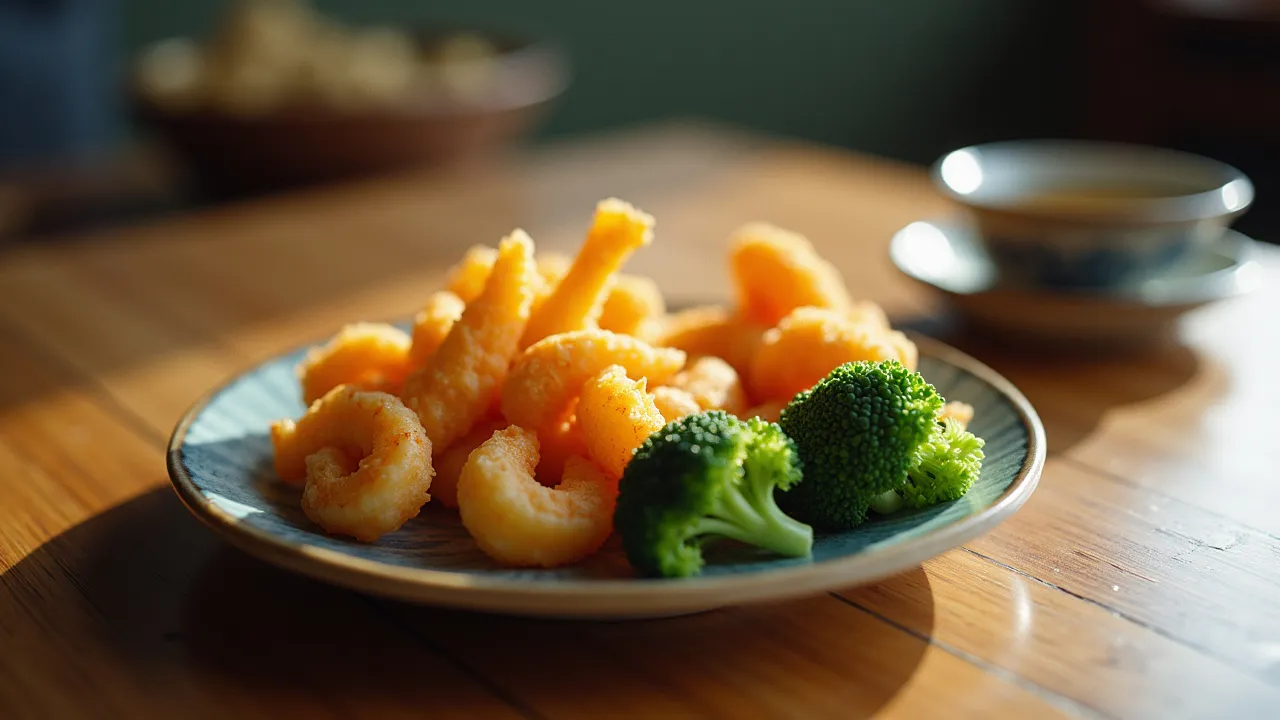
National Tempura Day on January 7th celebrates the Japanese art of lightly battered and deep-fried seafood and vegetables. Discover its rich history, global variations, and how to enjoy this crispy delicacy.
The Historical Origins & Evolutionary Journey
The Foundational Catalyst: Tempura's Portuguese Roots
Tempura owes its origins to Portuguese missionaries and traders who arrived in Japan during the 16th century. They introduced a method of battering and frying seafood on Fridays—a practice called peixinhos da horta (little fish of the garden). This technique resonated with Japanese cooks, who adapted it using local ingredients like sake, chilled water, and wheat flour to create a lighter, crispier batter.
The Legislative/Official Adoption: How National Tempura Day Began
National Tempura Day was established in the United States as part of the growing interest in Japanese cuisine in the late 20th century. While no single founder is credited, food enthusiasts and Japanese restaurant associations promoted January 7th as a day to honor tempura's unique place in global gastronomy. The date was chosen to kick off the new year with a light, celebratory dish.
Modern Global Legacy
Today, tempura is celebrated worldwide and has evolved into countless regional variations. From the classic ebi tempura in Tokyo to the heartier versions in California rolls, the dish symbolizes the fusion of culinary traditions. National Tempura Day continues to grow, with restaurants offering special menus and home cooks sharing their best recipes online.
How to Celebrate National Tempura Day
Celebrating National Tempura Day is about appreciating the delicate art of tempura. Here are the ultimate ways to honor this day:
- Host a Tempura Party: Invite friends and family for a tempura feast. Set up a frying station with an assortment of seafood (shrimp, squid), vegetables (sweet potato, zucchini, broccoli), and dipping sauces like tentsuyu or ponzu.
- Visit a Japanese Restaurant: Many authentic eateries offer special tempura sets on January 7th. Look for a tempura-ya where chefs prepare each piece to order.
- Make Tempura at Home: Master the basics with a simple batter of ice-cold water, flour, and egg. Keep it lumpy for extra crunch. Use high-quality oil and maintain a steady temperature of 340°F to 360°F.
- Experiment with Global Twists: Try Korean tempura with gochujang sauce, or Italian-inspired tempura with Parmesan and herbs.
- Share on Social Media: Post your tempura creations with #NationalTempuraDay and inspire others to join.
For schools and organizations, consider a tempura cook-off or a cultural lesson on the history of Japanese cuisine.
Global Variations and Regional Adaptations of Tempura
Japan: The Classic
In Japan, tempura is a refined art. High-end restaurants serve it in courses, with each piece lightly fried and seasoned. Seasonal ingredients like shiso leaves and anago (conger eel) are prized.
United States: Fusion Tempura
American versions often include larger portions and creative dippings. Tempura-battered sushi rolls, such as the dragon roll, have become staples. Some chefs use tempura flakes as toppings for salads and bowls.
Korea: Gochujang Tempura
Korean adaptations feature a spicy gochujang-based sauce and vegetables like gochugaru-infused batter. Street vendors serve tempura skewers as a popular snack.
Latin America: Tempura Tacos
In Mexico and Peru, tempura-battered fish is used in tacos and ceviche, blending Japanese technique with local flavors. Avocado and lime are common accompaniments.
Health and Nutritional Aspects of Tempura
Tempura is often perceived as unhealthy, but when prepared correctly, it can be a balanced dish. The key lies in the batter and frying technique:
- Light Batter: The traditional tempura batter uses minimal flour and egg, creating a thin coating that absorbs less oil than thick batters.
- High Heat: Frying at the right temperature (350°F) seals the food quickly, reducing oil absorption.
- Nutrient Retention: Quick frying preserves vitamins in vegetables and proteins in seafood.
However, portion size matters. A typical tempura set includes rice and soup, making it a well-rounded meal. For those with dietary restrictions, gluten-free flour and baking powder can substitute wheat flour.
Tempura in Popular Culture and Media
Tempura has appeared in numerous films, anime, and literature. Studio Ghibli's "Spirited Away" features a memorable tempura scene. In American media, tempura is often showcased as a sophisticated party finger food. Food bloggers and YouTube chefs regularly post tempura tutorials, contributing to the dish's global popularity.
National Tempura Day has been promoted by culinary influencers and Japanese cultural organizations, further embedding it into the food holiday calendar.
Tips for Perfect Tempura: Batter, Oil, and Technique
Batter Secrets
- Ice-Cold Water: Use club soda or ice water to inhibit gluten development, ensuring a light, crunchy coating.
- Minimal Mixing: Leave some lumps in the batter; overmixing creates a dense crust.
- Sake or Vodka: A splash of alcohol evaporates quickly, enhancing crispiness.
Oil and Frying
- Blend Oils: Combine neutral oil (canola) with a small amount of sesame oil for flavor.
- Temperature Control: Keep oil between 340°F and 360°F. A wooden chopstick dipped in oil will bubble steadily at the right temp.
- Don't Crowd the Pot: Fry in small batches to maintain oil temperature.
Serving
Serve tempura immediately on a paper-lined plate to absorb excess oil. Pair with tentsuyu (dashi-based dipping sauce) and grated daikon radish for authenticity.
Historical Timeline
Portuguese traders arrive in Japan, introducing the technique of battering and frying seafood, which becomes the foundation of tempura.
Tempura becomes popular in Edo (Tokyo), sold as street food from stalls. It evolves into a staple of Japanese cuisine.
The first tempura specialty restaurant, "Tempura Shofukutei", opens in Tokyo, elevating the dish to a high-art status.
Tempura spreads to the United States through Japanese restaurants and becomes a symbol of Japanese culinary culture.
The California roll, featuring tempura-fried crab, is invented in Los Angeles, popularizing tempura in fusion cuisine.
National Tempura Day is informally established by food enthusiasts, with January 7th designated for celebrating this beloved dish.
Tempura gains global recognition as part of the washoku (Japanese cuisine) UNESCO Intangible Cultural Heritage nomination in 2013.
National Tempura Day is widely observed across social media, with restaurants offering special deals and home cooks sharing innovative recipes.