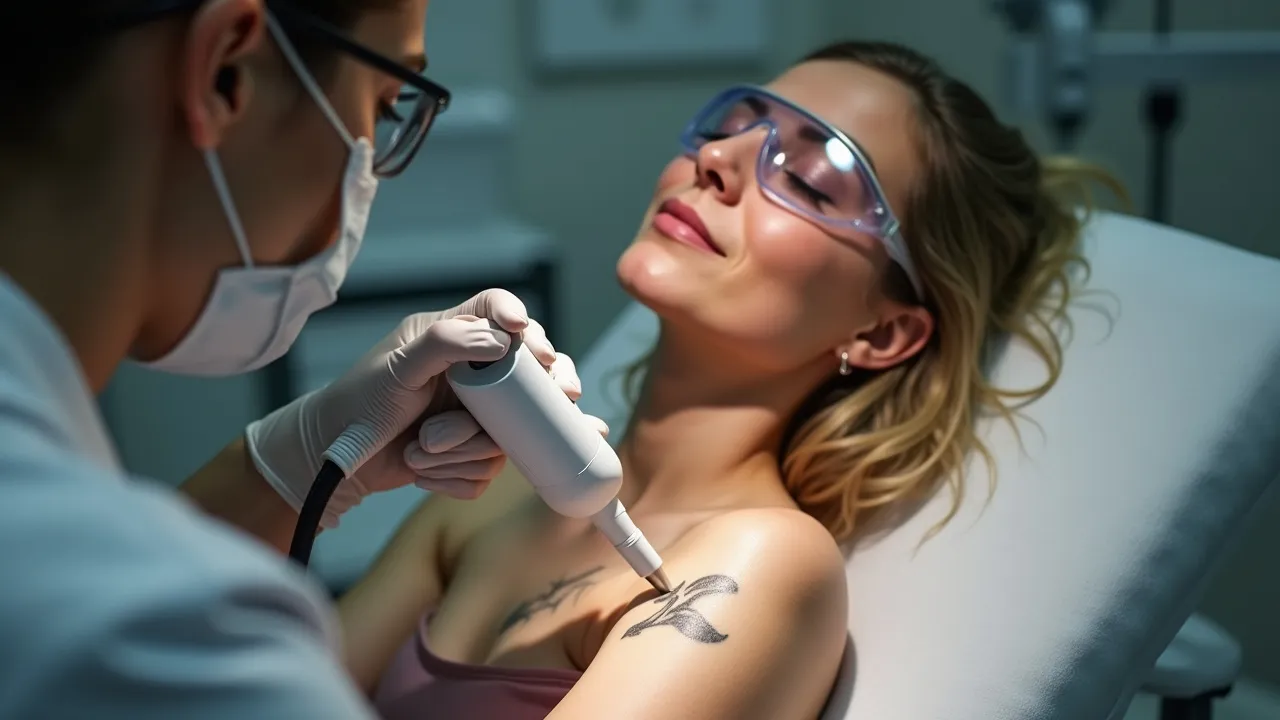
National Tattoo Removal Day, observed on August 14th, offers education on laser removal, celebrates transformation, and reduces stigma around erasing unwanted ink. It highlights advancements in dermatologic surgery and personal reinvention.
The Historical Origins & Evolutionary Journey
National Tattoo Removal Day was established in 2017 by Dr. John R. Romano, a board-certified dermatologist and laser surgery pioneer based in New York City. Dr. Romano recognized the growing demand for tattoo removal—spurred by regret, career changes, or personal growth—and sought to create a day that educates the public about safe, effective removal options while destigmatizing the process.
The Foundational Catalyst
By the early 2000s, tattoos had become mainstream, but so had regret. According to surveys, nearly 25% of Americans with tattoos considered removal. However, many relied on outdated methods like dermabrasion or surgical excision, which left scarring. The advent of Q-switched lasers in the 1990s revolutionized removal, but public awareness lagged. Dr. Romano pushed for a dedicated day to bridge this information gap.
The Legislative/Official Adoption
Dr. Romano registered National Tattoo Removal Day through the National Day Calendar, which officially recognizes August 14th as the observance. The date was chosen to coincide with the end of summer—a time when tattoo visibility peaks and many people begin to reassess their ink. Dermatology societies, such as the American Society for Dermatologic Surgery, soon endorsed the day, promoting educational events and free consultations.
Modern Global Legacy
Today, National Tattoo Removal Day is acknowledged across the United States and increasingly worldwide. Clinics offer discounted consultations, social media campaigns erase tattoo stigma, and stories of transformation circulate online. The day has expanded beyond physical removal to include mental health support for those who regret their tattoos. It stands as a testament to how a single individual's vision can spark a cultural shift in self-expression and personal freedom.
How to Celebrate National Tattoo Removal Day
National Tattoo Removal Day offers countless ways to participate—whether you are seeking removal yourself, supporting a loved one, or simply learning about the process. Below are actionable strategies for individuals, organizations, and communities across different regions.
For Individuals
- Schedule a consultation: Many dermatology clinics offer free or discounted laser removal evaluations on August 14th. Use this chance to learn about your skin type, tattoo colors, and expected sessions.
- Share your story: Post on social media using #NationalTattooRemovalDay. Share your removal journey (or support for someone else's) to reduce stigma and encourage others.
- Host a support group: Organize a small gathering—virtual or in-person—where people can discuss tattoo regret and removal options without judgment.
For Schools & Community Centers
- Educational workshops: Invite a dermatologist to speak about laser safety, realistic expectations, and aftercare.
- Art therapy sessions: For those who cannot remove tattoos, host painting or cover-up design sessions to reframe the narrative.
For Organizations & Clinics
- Offer promotions: Discounted packages or free initial tests attract new patients and raise awareness.
- Collaborate with charities: Partner with organizations that help survivors of abuse or trafficking remove stigmatizing tattoos. Donate a portion of proceeds.
Regional Variations
While the primary date is August 14th in the US, some countries hold their own events. In the UK, for example, the British Association of Dermatologists promotes removal awareness in early September. In Australia, clinics often tie removal days to summer holiday campaigns (December–February). Adapt celebrations to your local culture and calendar.
The Science of Laser Tattoo Removal
Laser tattoo removal relies on selective photothermolysis—a principle where specific wavelengths target tattoo ink particles without damaging surrounding skin. Q-switched lasers emit high-energy pulses in nanoseconds, shattering ink into tiny fragments that the body's lymphatic system clears. Different ink colors require different wavelengths:
- Black/dark blue: 1064 nm Nd:YAG laser
- Red/orange: 532 nm KTP laser
- Green: 694 nm ruby laser
- Multi-color tattoos: Picosecond lasers (e.g., Picoway) use ultra-short pulses for all colors.
Factors Affecting Success
Number of sessions (typically 6–12), ink depth, skin type, and immune health all influence outcomes. Newer picosecond lasers reduce sessions by 30–50% compared to older nanosecond models. Aftercare includes sun protection, avoiding picking scabs, and staying hydrated to help flush ink.
Psychological and Social Impact
Tattoo regret can cause distress, anxiety, and even depression. A 2019 study in Dermatologic Surgery found that 30% of Americans with tattoos experience regret, often due to emotional associations (e.g., ex-partner names), poor quality, or career barriers. National Tattoo Removal Day addresses these issues by promoting self-reclamation.
Stigma Reduction
By normalizing removal, the day helps people break away from identity tied to impulsive decisions. Many report a sense of liberation post-removal, akin to reclaiming one's body. The day also fosters empathy—social media campaigns use stories to highlight that bodies evolve and change, and so can our adornments.
Career and Personal Growth
Visible tattoos still carry stigma in some professions (military, corporate law, medicine). Removal allows individuals to pursue jobs without bias. The day encourages employers to adopt more inclusive policies but also supports those who choose removal for practical reasons.
Technological Innovations and Industry Trends
The tattoo removal industry has evolved from crude methods to sophisticated lasers. Key milestones include:
- 1990s: Q-switched lasers become standard.
- 2012: Picosecond lasers introduce ultra-short pulses, minimizing side effects.
- 2020s: AI-driven laser systems that adjust wavelength and pulse automatically based on skin tone and ink composition.
- RISE platform: Some clinics now use fractional lasers that create micro-channels to enhance ink clearance.
Market growth is projected at 8% CAGR through 2030, driven by younger demographics seeking removal for trend shifts (e.g., removing old millennial tattoos) and improved accessibility via financing plans. National Tattoo Removal Day plays a role in educating consumers about these innovations, ensuring they seek proper medical treatment rather than dangerous at-home remedies.
Global Observances and Cultural Perspectives
While August 14th is the primary US date, tattoo removal awareness has global variants. In Japan, tattoo removal is often sought by those with yakuza-associated ink who wish to shed past affiliations; clinics there hold discreet consultations year-round. In South Korea, where tattoo artists are often illegal, removal is popular among young professionals seeking clean job prospects. Brazil observes a similar day in March (Dia Nacional da Remoção de Tatuagens) due to summer exposure. African nations like South Africa tie removal to health campaigns highlighting risks of unlicensed tattooists. These diverse customs reflect how tattoo removal transcends regret—it’s about personal agency, cultural reintegration, and safety.
Historical Timeline
Introduction of Q-switched lasers for tattoo removal, offering significantly safer and more effective clearance than dermabrasion or excision.
The first picosecond laser (PicoSure) receives FDA clearance, reducing treatment times and side effects.
Picosecond lasers gain widespread adoption; studies show up to 75% removal in fewer sessions compared to Q-switched.
Dr. John R. Romano establishes National Tattoo Removal Day on August 14th, registered with the National Day Calendar.
First official observance of National Tattoo Removal Day; clinics nationwide offer free consultations and educational events.
COVID-19 pandemic shifts many promotions online; virtual consultations and webinars become standard for the day.
AI-assisted laser platforms debut, personalizing treatments by analyzing ink composition with machine learning.
Expected market expansion to $1.2 billion globally, with National Tattoo Removal Day celebrated in over 15 countries through partnerships with dermatology societies.