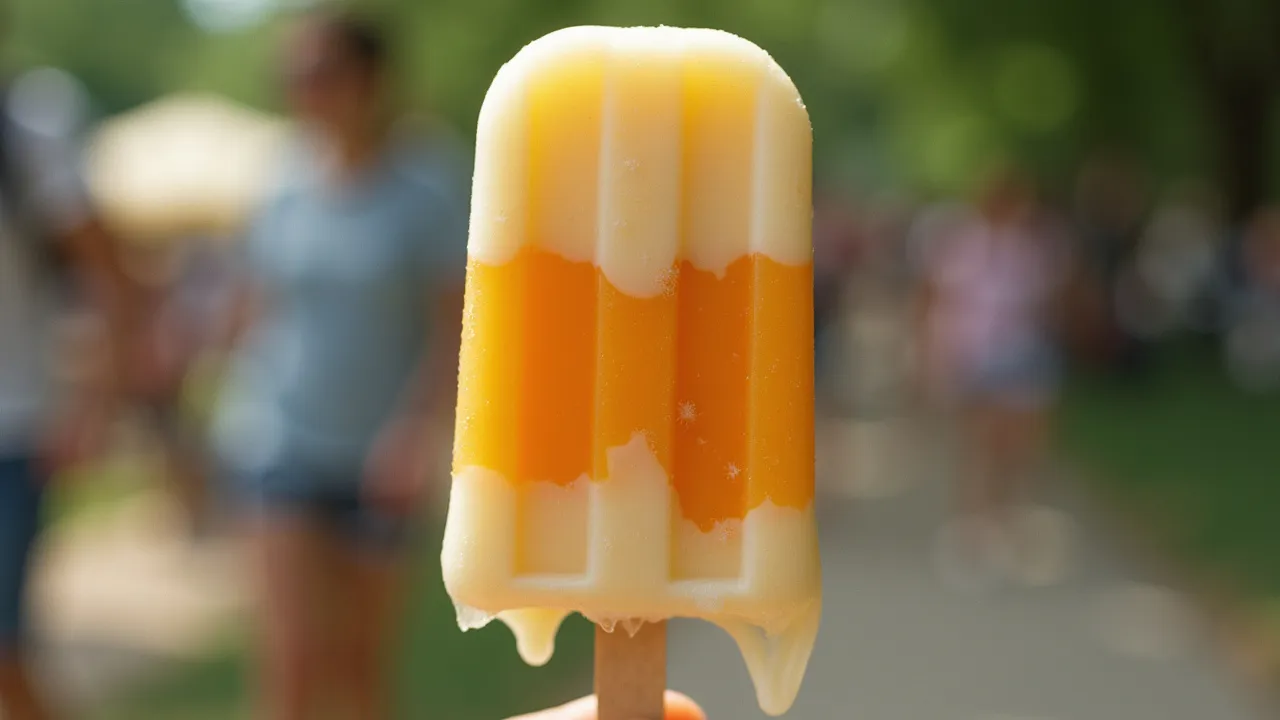
National Creamsicle Day, observed on August 14th, celebrates the iconic frozen treat that blends creamy vanilla ice cream with a tangy orange sherbet shell. Join millions in reliving childhood memories and discovering new ways to enjoy this classic summertime refreshment.
The Historical Origins & Evolutionary Journey of the Creamsicle
National Creamsicle Day, celebrated annually on August 14th, honors one of America's most beloved frozen novelties: the Creamsicle. This delightful confection, with its signature combination of creamy vanilla ice cream encased in a tangy fruit-flavored ice shell, has a history as rich and layered as its ingredients.
The Foundational Catalyst: A Serendipitous Invention
The lineage of the Creamsicle begins with the Popsicle, both creations attributed to the ingenuity of 11-year-old Frank Epperson in 1905. Epperson accidentally left a mixture of soda powder and water with a stirring stick outside on a freezing San Francisco night. The next morning, he discovered the first frozen pop. He patented the 'Epsicle' in 1923 and later renamed it the Popsicle. The Creamsicle—a creamy, dairy-based variant—emerged shortly after, though its exact inventor and year remain debated. By the 1930s, the Creamsicle was a staple in ice cream trucks across the United States, marketed as a refreshing treat that marries ice cream and sherbet.
Legislative or Official Adoption: The Rise of a Beloved Brand
Unilever's Good Humor-Breyers division now owns the trademark for Creamsicle, producing it alongside the Popsicle brand. While no government proclamation established National Creamsicle Day, the day grew organically through social media, food blogs, and corporate marketing campaigns. It has been embraced as an unofficial holiday by fans who share recipes, memories, and creative ways to enjoy the treat.
Modern Global Legacy
Today, the Creamsicle has inspired countless variations, from yogurt-covered versions to adult cocktails like the Creamsicle mimosa. Its cultural imprint appears in movies, TV shows, and nostalgic advertisements. National Creamsicle Day serves as both a celebration of summer and a tribute to American culinary innovation.
How to Celebrate National Creamsicle Day
National Creamsicle Day offers endless opportunities for enjoyment, whether you prefer the classic treat or innovative twists. Below are comprehensive ways to observe the day, suitable for individuals, families, schools, and organizations.
Classic Celebration Ideas
- Enjoy an Original Creamsicle: Purchase a box from your local grocery store or ice cream truck. Savour each bite slowly, letting the orange shell and vanilla core melt on your tongue.
- DIY Creamsicle Recipes: Make your own using orange juice, vanilla ice cream, and popsicle molds. For a healthier option, use Greek yogurt and fresh orange puree.
- Host a Creamsicle Party: Serve a variety of Creamsicle-inspired treats, including cupcakes, punch, and whoopie pies. Decorate with orange and white colors.
Interactive Traditions for Schools and Communities
- Organize a Creamsicle Eating Contest (messy, but fun!).
- Host a History of Frozen Treats educational session for children.
- Collaborate with local ice cream shops to offer discounted Creamsicles.
Global Variations
While the Creamsicle is quintessentially American, similar treats exist worldwide. In Mexico, Paletas de Yogurt combine ice cream with fruit flavors. In Japan, yukimi daifuku are mochi-wrapped ice cream. For National Creamsicle Day, explore these international cousins and share them with friends.
The Science Behind the Perfect Creamsicle
The Creamsicle's unique texture and taste stem from its two-phase composition: an outer ice layer and an inner ice cream core. Understanding the science enhances appreciation.
Freezing Dynamics
The outer fruit-flavored ice freezes first due to its higher water content and lower sugar concentration. The inner ice cream, with higher fat and sugar, has a lower freezing point and remains creamy. This is achieved through flash freezing or sequential dipping in production. The ratio is critical: too thick an ice shell, and the treat becomes icy; too thin, it melts quickly.
Flavor Pairing Chemistry
The contrast between tart orange (citric acid) and sweet vanilla (vanillin) creates a balanced sensory experience. The acidity cuts through the fat, preventing palate fatigue. This principle is used in many culinary creations, from sorbet intermezzos to fruity vinaigrettes.
Production Techniques
Commercial Creamsicles are made by first freezing a fruit juice mixture around a stick, then injecting ice cream into the center. Modern machines can produce thousands per hour. Artisanal versions often use molds and manual layering.
Nutritional Profile and Dietary Considerations
While a Creamsicle is a treat, understanding its nutritional content can help consumers make informed choices. A standard original Creamsicle (about 2 fl oz) contains approximately 100 calories, 2g of fat, 18g of sugar, and 1g of protein.
Healthier Alternatives
For those monitoring sugar or dairy intake, consider modifications:
- Low-Sugar Creamsicle: Use unsweetened orange juice and low-fat Greek yogurt.
- Vegan Creamsicle: Substitute coconut milk or almond milk ice cream and check for dairy-free fruit ice.
- Keto-Friendly: Use heavy cream and sugar-free orange gelatin to mimic the flavor.
Allergen Information
Creamsicles typically contain milk, so they are not suitable for those with lactose intolerance or dairy allergies. Some varieties may also contain soy or artificial colors. Always read labels carefully.
Cultural Impact and Media Presence
The Creamsicle has transcended its status as a mere snack to become a cultural icon of summer nostalgia. Its orange-and-white color scheme appears in fashion, home decor, and social media aesthetics.
In Film and Television
From the classic scene in Diary of a Wimpy Kid to references in Stranger Things, the Creamsicle symbolizes childhood and simple pleasures. It's often used to evoke a sense of carefree summers in the 1980s and 1990s.
In Music and Art
The name 'Creamsicle' has been used by bands and even inspired a paint color by Sherwin-Williams. Its vibrant hue is a favorite for graphic designers seeking a retro palette.
Social Media Trends
On Instagram and TikTok, National Creamsicle Day generates thousands of posts with hashtags like #CreamsicleDay. Users share artful photos, diy recipes, and humorous skits. Influencers often partner with brands to promote limited-edition products.
Related Observances and Industry Transformations
National Creamsicle Day is part of a broader ecosystem of food holidays that celebrate frozen treats. Understanding these connections provides context.
Other Ice Cream Holidays
- National Ice Cream Day: Third Sunday in July (USA).
- National Popsicle Day: June 27th.
- National Sherbet Day: July 15th.
These holidays collectively boost the frozen dessert industry, which generates over $70 billion globally. The Creamsicle, as a hybrid product, occupies a unique niche between ice cream and sherbet.
Industry Innovations
Recent trends include alcoholic Creamsicles for adults, featuring vodka or tequila in the ice core. Additionally, probiotic and plant-based versions cater to health-conscious consumers. The day also prompts ice cream truck operators to expand their menus and engage with nostalgic marketing.
Historical Timeline
Frank Epperson, age 11, accidentally invents the frozen pop on a stick, later called the Popsicle. This sets the stage for the Creamsicle.
Epperson patents the 'Epsicle' and later markets it as the Popsicle. The Creamsicle is believed to have been introduced around this time as a creamy variation.
Creamsicles become widely available through ice cream trucks and drugstores, gaining popularity across the United States.
Good Humor (now owned by Unilever) acquires the Creamsicle brand and mass-produces it, making it a household name.
National Creamsicle Day emerges as an informal holiday celebrated on August 14th, promoted by food bloggers and social media users.