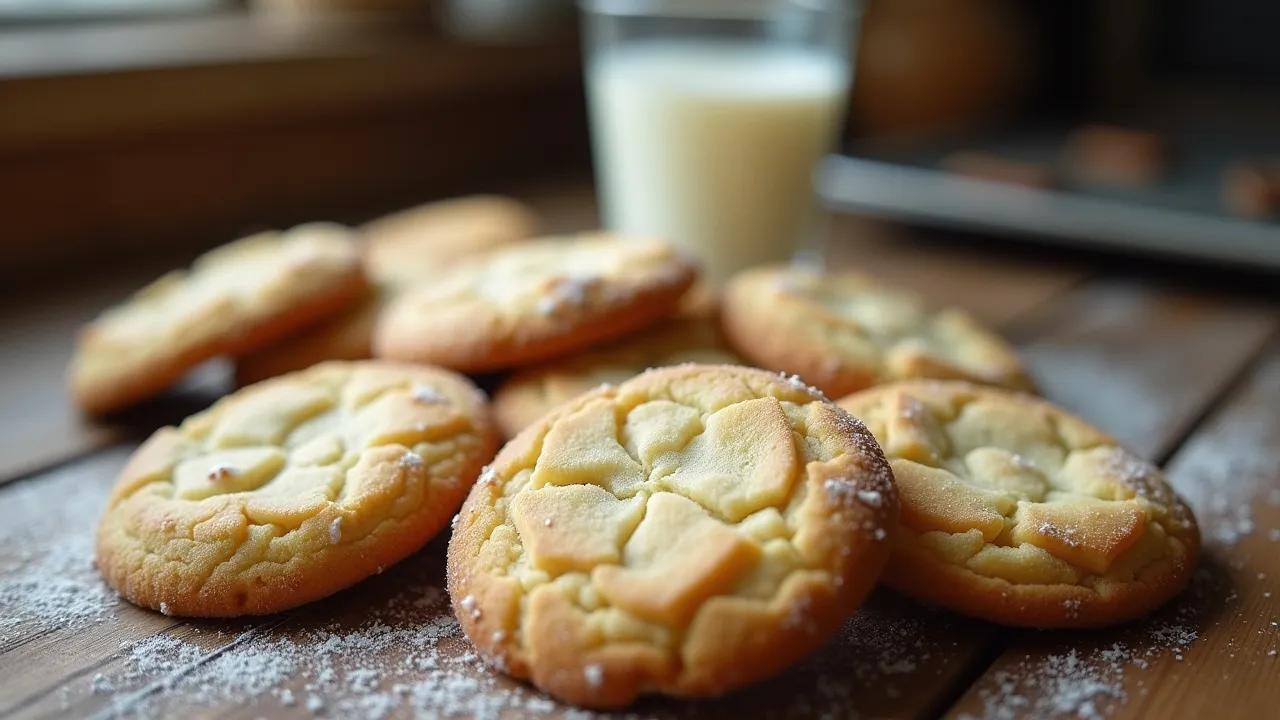
National Sugar Cookie Day on July 9th celebrates the classic, buttery cookie loved for its simplicity and versatility. Honor this sweet holiday by baking, decorating, and sharing sugar cookies with family and friends.
The Historical Origins & Evolutionary Journey
National Sugar Cookie Day, observed annually on July 9th, is a tribute to one of the simplest yet most beloved confections in American baking. But the sugar cookie's story stretches back centuries before it earned its national day.
The Foundational Catalyst: Early Sugar and Cookie Traditions
The earliest cookies—known as "little cakes" or biscuits—date back to 7th-century Persia, one of the first regions to cultivate sugar. However, the specific sugar cookie as we know it emerged in Nazareth, Pennsylvania, in the 18th century. German settlers, known as the Pennsylvania Dutch, created a simple sugar cookie called "Nazareth sugar cookies" that became a regional staple.
The recipe was straightforward: butter, sugar, flour, eggs, and vanilla. These cookies were often cut into shapes and decorated for holidays, evolving into a versatile treat. By the late 19th century, sugar cookies were a common item in American cookbooks, such as Fannie Farmer's Boston Cooking-School Cook Book (1896).
The Legislative/Official Adoption
Unlike many holidays with government proclamations, National Sugar Cookie Day was not established by legislation. It likely began as a food marketing initiative in the early 2000s, promoted by baking brands and food bloggers. The day gained traction through social media, as home bakers and bakeries shared photos and recipes using hashtags like #NationalSugarCookieDay. Today, it is unofficially recognized as a day to indulge in the simple joy of a crisp, buttery sugar cookie.
Modern Global Legacy
While National Sugar Cookie Day is primarily celebrated in the United States, the sugar cookie itself has global variations. In Mexico, similar cookies called polvorones or Mexican wedding cookies are made with powdered sugar and nuts. In Scotland, shortbread shares a similar buttery profile. The day has inspired worldwide participation via online communities, with home bakers from different countries sharing their twists on the classic recipe.
How to Celebrate National Sugar Cookie Day
Celebrating National Sugar Cookie Day is all about embracing the sweet, simple pleasure of baking and sharing. Here is your ultimate guide to making the most of July 9th.
Classic Home Baking
- Bake from scratch: Use a traditional recipe with butter, sugar, flour, eggs, vanilla, baking powder, and a pinch of salt. Chill the dough for easier handling.
- Decorate with style: Use royal icing, sprinkles, or colored sugar. Try cut-out shapes like stars, hearts, or letters.
- Host a decorating party: Invite friends or family to decorate cookies together. Provide icing, decorations, and take-home boxes.
Community and Corporate Participation
- Support local bakeries: Visit a neighborhood bakery and buy a box of sugar cookies. Many offer special deals on this day.
- Organize a cookie swap: In the office or neighborhood, arrange a swap where everyone brings a batch of sugar cookies to exchange.
- Share on social media: Post your creations using #NationalSugarCookieDay. Tag friends and challenge them to bake.
Regional Traditions
- United States: Often paired with iced tea or milk. Some regions prefer soft, chewy cookies while others like them crisp.
- United Kingdom: Similar to shortbread but with more sugar. Often served with tea.
- Mexico: Celebrate with polvorones—sugar cookies with cinnamon and nuts.
- Germany: Make Butterplätzchen (butter cookies) often enjoyed during Christmas but also on this day.
The Cultural Significance of Sugar Cookies
Beyond being a tasty treat, the sugar cookie holds a special place in American culture and beyond. Its simplicity makes it a blank canvas for creativity, representing comfort, tradition, and togetherness.
A Symbol of Home and Hospitality
In many households, sugar cookies are the first cookie children learn to bake. The act of rolling dough, cutting shapes, and decorating fosters family bonds. During holidays like Christmas and Valentine's Day, sugar cookies become a medium for expressing love and celebration. National Sugar Cookie Day elevates this everyday treat to a yearly celebration of baking heritage.
Industrial and Artisan Impact
The sugar cookie has also influenced the baking industry. Mass-produced versions like Lofthouse cookies (soft, frosted sugar cookies) have become grocery staples. At the same time, artisan bakeries elevate sugar cookies with premium ingredients like vanilla bean, European butter, and creative flavor infusions (lavender, lemon, etc.).
In Media and Pop Culture
Sugar cookies appear frequently in literature, film, and advertising. They are often used to evoke nostalgia, childhood innocence, and domestic bliss. The phrase "sugar cookie" is even used as a term of endearment. The day itself has been featured on food blogs, TV morning shows, and in baking competitions, reinforcing its place in the public consciousness.
Nutritional and Dietary Considerations
While sugar cookies are a delightful indulgence, understanding their nutritional profile helps in mindful celebration. A typical sugar cookie (30g) contains about 130 calories, 7g fat, 17g carbs, and 8g sugar. Moderation is key.
Healthier Variations
- Reduce sugar: Substitute up to half the sugar with alternatives like stevia or erythritol.
- Use whole wheat flour: Replace half the all-purpose flour with whole wheat for more fiber.
- Add nutrients: Mix in oats, flaxseed, or chopped nuts for added texture and health benefits.
- Vegan and dairy-free: Use plant-based butter and flax eggs. Coconut sugar can replace white sugar.
Allergen Awareness
Traditional sugar cookies contain wheat (gluten), dairy, and eggs. For those with allergies, try gluten-free flour blends, vegan butter, and egg substitutes like applesauce. Many bakeries now offer allergy-friendly options.
Portion Control and Sharing
Enjoying sugar cookies in small batches and sharing with others aligns with the day's spirit. Baking smaller cookies or mini versions can help with portion control while still satisfying your sweet tooth.
Economic Impact of the Cookie Industry
The sugar cookie is a significant driver in the global cookie market, which was valued at over $35 billion in 2022 and is projected to grow. Here's how National Sugar Cookie Day plays a role.
Retail and Bakery Sales Boost
On July 9th, bakeries and grocery stores often run promotions on sugar cookies. According to industry surveys, cookie sales can spike by 15-20% on this day. Specialty cookie shops, such as those offering decorated sugar cookies, see increased orders for custom party platters.
Impact on Ingredient Suppliers
The demand for sugar, butter, flour, and vanilla rises seasonally. National Sugar Cookie Day contributes to a minor surge, benefiting farmers and producers. Brands like King Arthur Flour and Nielsen-Massey Vanillas often share recipes and promotions, driving consumer engagement.
Home Baking Economy
With the rise of home baking trends, the day encourages purchases of baking tools (cookie cutters, decorating kits, rolling pins). Online searches for "sugar cookie recipe" and "cookie decorating ideas" peak around July 9th, with e-commerce sites like Amazon featuring related products.
Regional Variations Around the World
While National Sugar Cookie Day is primarily American, sugar cookies appear in many cultures under different names and with unique twists. Here are some notable variations.
United States
- Classic sugar cookie: Rounds or cut-outs, often frosted with buttercream or royal icing.
- Snickerdoodle: A sugar cookie rolled in cinnamon sugar, soft and chewy.
- Butter cookie: A denser, crisper version often piped into shapes.
Mexico
Polvorones (or Mexican wedding cookies) are crumbly sugar cookies made with ground nuts and powdered sugar, often flavored with cinnamon or vanilla.
Scotland
Shortbread is a traditional biscuit made with butter, sugar, and flour. It is less sweet than American sugar cookies but similar in simplicity. Often enjoyed with tea.
Italy
Biscotti di Prato are almond-based cookies that are twice-baked, but for a softer treat, ricciarelli are almond paste cookies dusted with powdered sugar.
Middle East
Ma'amoul are semolina shortbread cookies filled with dates or nuts, often dusted with powdered sugar, showcasing how sugar cookies adapt to local flavors.
DIY Sugar Cookie Recipes and Techniques
Mastering the perfect sugar cookie requires attention to detail. Here is a comprehensive guide to ensure your cookies are delicious and beautiful.
Essential Ingredients
- Butter: Use unsalted for control, softened to room temperature.
- Sugar: Granulated white sugar for classic taste.
- Eggs: Large eggs at room temperature for better incorporation.
- Vanilla extract: Pure vanilla for best flavor; imitation works too.
- Flour: All-purpose flour; sift to avoid lumps.
- Baking powder: For a slight lift, not too puffy.
- Salt: Enhances sweetness and balances.
Step-by-Step Instructions
- Cream butter and sugar: Beat until light and fluffy, about 2 minutes.
- Add eggs and vanilla: Mix until combined.
- Combine dry ingredients: Whisk flour, baking powder, salt. Gradually add to wet mixture.
- Chill dough: Wrap in plastic, refrigerate for at least 1 hour (or overnight).
- Roll and cut: On a floured surface, roll to 1/4-inch thickness. Use cookie cutters.
- Bake: At 350°F (175°C) for 8-10 minutes until edges are lightly golden.
- Cool and decorate: Cool completely before icing or sprinkling.
Decorating Tips
- Royal icing: Mix powdered sugar, meringue powder, and water to a flooding consistency.
- Buttercream: Softer but less stable; pipe with a star tip.
- Sprinkles: Apply before baking for a classic look.
Historical Timeline
Early cookies emerge in Persia, using sugar from sugarcane, laying the foundation for sugar cookies.
German settlers in Nazareth, Pennsylvania, create the Nazareth sugar cookie, the precursor to the modern American sugar cookie.
Fannie Farmer's Boston Cooking-School Cook Book includes a recipe for "Sugar Cookies," standardizing the cookie in American cuisine.
Sugar cookies become a popular homemade treat across the United States, especially for holidays and cut-out shapes.
National Sugar Cookie Day emerges as an unofficial food holiday, promoted by baking companies and food bloggers.
Social media platforms like Facebook and Instagram drive the day's popularity, with users sharing #NationalSugarCookieDay posts.
During the COVID-19 pandemic, home baking surges, and National Sugar Cookie Day sees record online engagement and recipe searches.