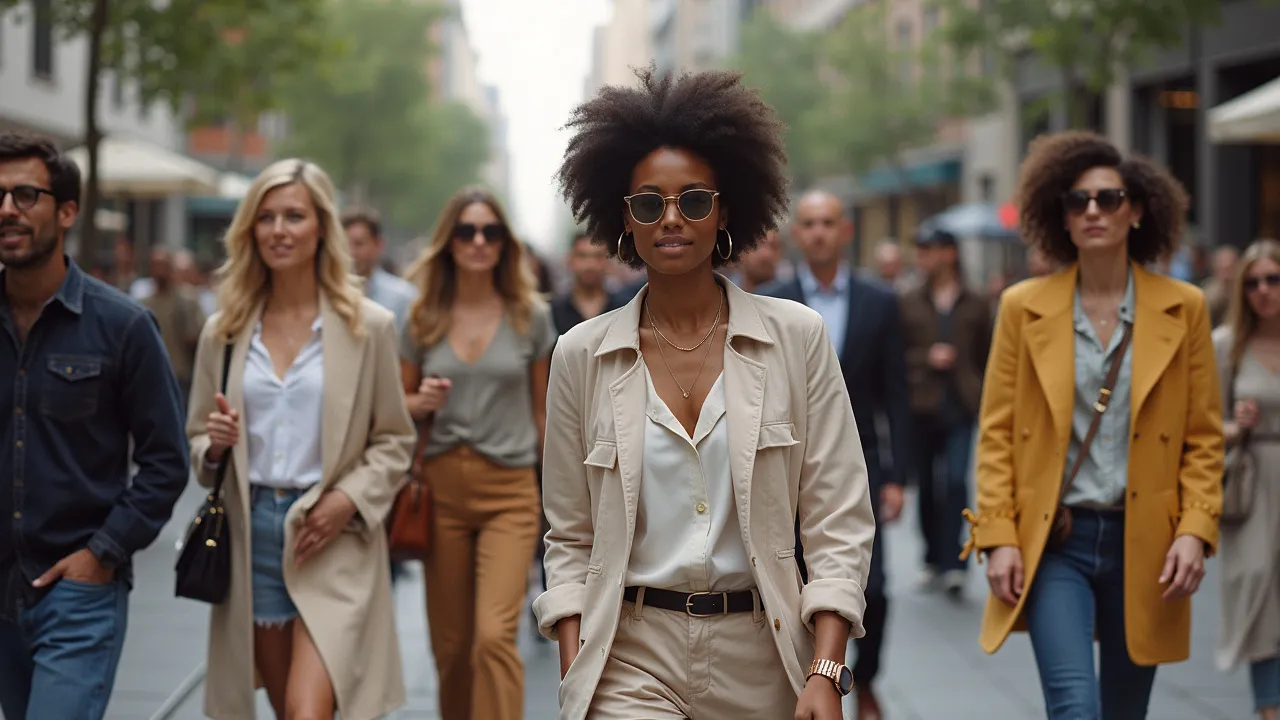
Celebrated on July 9th, Fashion Day honors the art, history, and cultural impact of clothing and style. It encourages self-expression through fashion and reflection on the industry's evolution.
The Historical Origins & Evolutionary Journey
Fashion Day, observed annually on July 9th, traces its roots to the early 2000s when a group of fashion historians, designers, and enthusiasts sought to create a global platform celebrating the multifaceted world of fashion. The date July 9th was chosen to commemorate the founding of the first haute couture house in Paris in 1858 by Charles Frederick Worth, often considered the father of haute couture. While not an officially recognized holiday by any government, the day has grown organically through grassroots campaigns, social media, and industry support.
The Foundational Catalyst
The initial idea for Fashion Day emerged during a symposium at the Fashion Institute of Technology in New York in 2006. Attendees lamented that, unlike other art forms, fashion lacked a dedicated day of global celebration. The movement gained momentum when major fashion houses and museums pledged support. By 2008, the first unofficial Fashion Day events were held in New York, London, Paris, and Milan, featuring exhibitions, runway shows, and educational panels.
The Legislative/Official Adoption
Although no legislation exists, several cities have issued proclamations recognizing July 9th as Fashion Day. In 2012, the city of Los Angeles officially declared July 9th as "Los Angeles Fashion Day," encouraging residents to engage with local fashion communities. Similarly, fashion councils in countries like India, Brazil, and South Africa have adopted the date for industry-wide celebrations.
Modern Global Legacy
Today, Fashion Day has evolved into a global phenomenon. Social media platforms buzz with #FashionDay posts showcasing personal style, sustainable fashion initiatives, and tributes to iconic designers. Brands launch limited-edition collections, and museums host special tours. The day also serves as a critical moment to reflect on pressing issues such as labor rights, body inclusivity, and environmental sustainability within the fashion industry.
How to Celebrate Fashion Day
Fashion Day offers endless possibilities for participation, from personal styling experiments to community events. Below are actionable ideas for individuals, schools, and organizations.
For Individuals
- Dress with Intention: Wear an outfit that tells a story—perhaps something vintage, handmade, or from a local designer.
- Host a Clothing Swap: Gather friends or neighbors to exchange clothing, promoting reuse and reducing waste.
- Learn Fashion History: Watch documentaries like The First Monday in May or read about iconic designers.
For Schools & Universities
- Fashion Show: Organize a student-run runway show featuring thrifted or upcycled designs.
- Guest Lecture: Invite a local designer or fashion historian to speak about the industry's cultural significance.
- DIY Workshop: Teach basic sewing, embroidery, or tie-dye techniques to encourage hands-on creativity.
For Organizations & Brands
- Employee Style Day: Encourage staff to wear outfits reflecting their cultural heritage or personal style, with a prize for creativity.
- Charity Drive: Collect gently used clothing for shelters or organizations like Dress for Success.
- Sustainability Pledge: Announce a new commitment to ethical sourcing or circular fashion.
Regional Variations
While July 9th is the primary date, some countries observe Fashion Day on different days. For instance, in Japan, Fashion Day is celebrated on September 9th (Kyu-kyu no Hi) to coincide with the autumn fashion season. In Italy, a separate Fashion Day (Giornata della Moda) is held on October 8th to honor the Milan Fashion Week legacy. However, the July 9th date remains the most widely recognized globally.
Global Impact on the Fashion Industry
Fashion Day has significantly influenced consumer behavior and industry practices. The day amplifies conversations around fast fashion, transparency, and cultural appropriation. Many brands use the occasion to launch sustainability reports or release "conscious collections." The day also boosts local economies by encouraging shopping at independent boutiques and thrift stores.
Economic Contributions
According to a 2023 report by the Global Fashion Agenda, Fashion Day drives an estimated $1.2 billion in global sales during the week surrounding July 9th. Pop-up markets, flash sales, and exclusive collaborations contribute to this economic spike.
Promoting Ethical Fashion
Nonprofits like Fashion Revolution leverage Fashion Day to push for policy changes. In 2021, the day featured a global campaign demanding better wages for garment workers, which led to several brands signing the International Accord. The day thus acts as a catalyst for positive industry transformation.
Fashion as Cultural Expression
Fashion Day underscores the role of clothing as a powerful form of cultural identity. Traditional garments from around the world are celebrated, from the Indian sari to the Scottish kilt. This section explores how fashion reflects and shapes societal values.
Preserving Heritage
Many communities use Fashion Day to teach younger generations about traditional textiles and techniques. In Mexico, workshops on embroidery and rebozo weaving are common. In West Africa, the day highlights the vibrant Ankara prints and the work of local tailors.
Breaking Stereotypes
The day also challenges gender norms in fashion. Events like "Gender-Free Fashion Shows" in New York and Berlin promote clothing without boundaries, encouraging people to dress according to their identity rather than societal expectations.
Technological Innovations in Fashion
Fashion Day in the 2020s is increasingly digital. Virtual fashion shows, AI-designed garments, and blockchain authentication are reshaping the industry. This section delves into tech trends celebrated on July 9th.
Digital Fashion Weeks
During the COVID-19 pandemic, Fashion Day became a primarily online event. Brands like Gucci and Balenciaga hosted immersive digital experiences, which have become a staple of the day. Attendees can now view collections through VR headsets or on virtual runways.
Sustainable Tech
Innovations such as lab-grown leather and 3D knitting are spotlighted on Fashion Day. Brands like Stella McCartney showcase how technology can reduce environmental impact. The day also features hackathons where developers create apps for wardrobe management and clothing resale.
Fashion's Influence on Pop Culture
From red carpet gowns to street style, fashion deeply intertwines with music, film, and social media. Fashion Day celebrates iconic moments like Audrey Hepburn's little black dress in Breakfast at Tiffany's or David Bowie's androgynous glam rock looks.
Iconic Collaborations
Fashion Day often sees anniversary specials on legendary partnerships, such as the 2024 celebration of the 30th anniversary of the Louis Vuitton and Stephen Sprouse collaboration. Fans recreate iconic looks and share them on social media.
Influencer Culture
On Fashion Day, influencers and celebrities play a key role. Many use their platforms to discuss personal style journeys, sustainable brands, or the importance of body positivity. The day also serves as a launchpad for new fashion influencers.
The Future of Fashion: Sustainability & Inclusivity
As Fashion Day grows, so do the calls for a more inclusive and sustainable industry. This section outlines key trends and goals for the coming years.
Circular Fashion
The concept of circular fashion—designing out waste and pollution—is a core theme of Fashion Day. Brands are encouraged to adopt take-back programs and use recycled materials. The Ellen MacArthur Foundation often releases reports on this day.
Size & Ability Inclusivity
Fashion Day events increasingly feature adaptive clothing for people with disabilities and models of all sizes. The plus-size fashion market, valued at over $480 billion, is highlighted through dedicated runways and panels.
Decolonizing Fashion
There is a growing movement to acknowledge and credit the traditional cultures that inspire many high-fashion designs. Fashion Day includes discussions on cultural appropriation versus appreciation, with calls for equitable partnerships.
Historical Timeline
Charles Frederick Worth opens the first haute couture house in Paris, establishing the model for modern fashion design.
Fashion historians propose a global Fashion Day during a symposium at the Fashion Institute of Technology in New York.
First unofficial Fashion Day events held in New York, London, Paris, and Milan, featuring exhibitions and runway shows.
Los Angeles City Council declares July 9th as 'Los Angeles Fashion Day'.
Fashion Day gains traction on social media with #FashionDay trending globally; the United Nations notes the day's potential for promoting sustainable fashion.
Fashion Revolution launches a global campaign on Fashion Day demanding better wages for garment workers, leading to increased brand transparency.
First fully digital Fashion Day due to COVID-19 pandemic; virtual runway shows become a new norm.
Fashion Day sees record participation with events in over 80 countries; the day's economic impact reaches $1.2 billion.
The 30th anniversary of the Louis Vuitton & Stephen Sprouse collaboration celebrated; adaptive fashion and inclusivity are major themes.