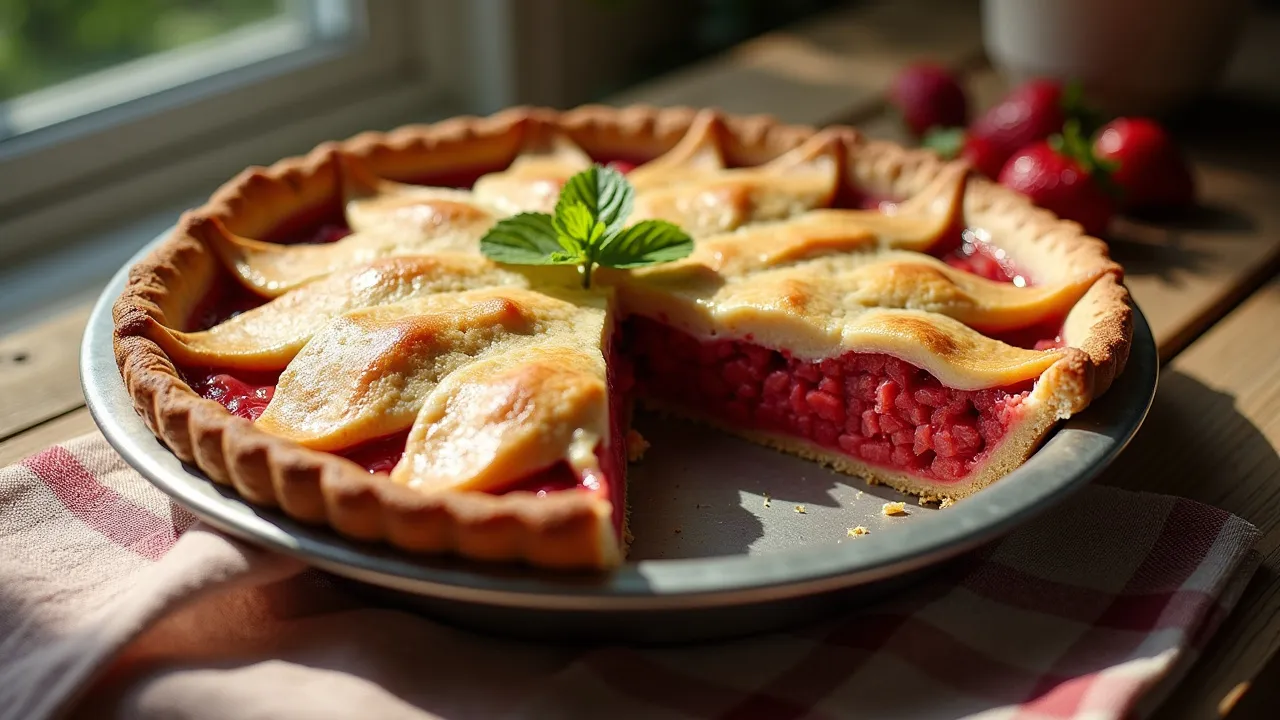
National Strawberry Rhubarb Pie Day on June 9th celebrates the classic tart-sweet pie. Learn about its history, how to bake the perfect crumble-topped pie, and join in the nationwide celebration of this beloved dessert.
The Historical Origins & Evolutionary Journey
National Strawberry Rhubarb Pie Day, observed annually on June 9th, honors a dessert that combines the sweetness of strawberries with the tartness of rhubarb—a pairing that has delighted palates for centuries. The origins of this observance are somewhat obscure, emerging from grassroots pie enthusiasts rather than any single legislative act, but its roots run deep in American culinary history.
The Foundational Catalyst
Rhubarb, often called the "pie plant," was cultivated in Europe for medicinal purposes before finding its way into kitchens. Early colonists brought rhubarb to North America in the 18th century. Strawberries, native to the continent, were plentiful. The first recorded strawberry rhubarb pie recipe appears in The Virginia Housewife by Mary Randolph (1824), which suggests cooking rhubarb with sugar and combining it with strawberries. This marriage of flavors quickly became a springtime staple, as rhubarb ripens in early summer and strawberries reach peak in June.
The Legislative/Official Adoption
Unlike many food holidays, National Strawberry Rhubarb Pie Day was not officially proclaimed by any government body. Instead, it evolved through community celebrations, pie-baking contests, and food media. By the mid-20th century, June 9th emerged as a favorite for pie-focused events, likely due to the convergence of strawberry season and the need for a post-Memorial Day celebration. No single founder is credited, but pie councils and agricultural boards have promoted it.
Modern Global Legacy
Today, the day is recognized across the United States and in parts of Canada. Bakeries offer specials, home bakers share recipes online, and social media buzzes with #StrawberryRhubarbPieDay. The pie has also inspired variations like strawberry rhubarb crumble, bars, and even cocktails. This observance remains a testament to simple, seasonal cooking passed down through generations.
How to Celebrate National Strawberry Rhubarb Pie Day
Whether you are a seasoned baker or a novice, June 9th offers countless ways to honor this tangy-sweet pie. Here is the ultimate global guide to celebrating.
Best Practices for Home Bakers
- Select the freshest ingredients: Use ripe, local strawberries and firm, crisp rhubarb stalks. Avoid wilted or rubbery rhubarb.
- Balance sweetness: Rhubarb’s tartness requires ample sugar—typically 1 to 1.5 cups per 4 cups of fruit. Add a pinch of cinnamon or orange zest for depth.
- Prevent a soggy bottom: Blind bake the crust or brush with egg wash before adding filling. Sprinkle breadcrumbs or ground almonds on the bottom crust.
- Try a lattice top: A lattice crust not only looks beautiful but allows steam to escape, preventing a runny filling.
Interactive Traditions
- Host a pie-baking contest: Invite neighbors to submit their best strawberry rhubarb pies. Award categories like "Most Beautiful Lattice" or "Best Flavor Balance."
- Organize a pie Tasting party: Bake several variations—classic, crumble-topped, gluten-free—and let guests vote on their favorite.
- Share the love: Deliver slices to firefighters, teachers, or nursing homes. Include a card explaining the day.
Corporate and Social Rituals
- Bakeries and cafes: Offer a special June 9th discount on strawberry rhubarb pie. Create Instagrammable pie displays.
- Schools: Incorporate a lesson on the history of pie while baking mini pies in home economics classes.
- Community gardens: Harvest rhubarb and strawberries together, then host a community bake-off.
Global Adaptations
In the United Kingdom, similar pies are made with gooseberries or elderflower. In Scandinavia, rhubarb is often paired with cardamom. Australia celebrates its own version in December, using summer fruits. No matter the region, the core idea remains: celebrate seasonal produce with a flaky, fruity pie.
The Science of Strawberry and Rhubarb Pairing
The pairing of strawberries and rhubarb is a classic example of culinary synergy. Both fruits share complementary chemical compounds that create a balanced flavor profile.
Acidity and Sweetness
Rhubarb contains high levels of oxalic acid and malic acid, giving it a sharp sourness. Strawberries are rich in fructose and glucose, providing natural sweetness. During baking, the acids break down starch in the filling, creating a thick, jammy texture. The sugar not only sweetens but also interacts with pectin in both fruits to form a gel structure.
Color and Caramelization
The red pigment in strawberries and some rhubarb varieties (like ‘Crimson Cherry’) is due to anthocyanins. Baking deepens the color, while added sugar promotes caramelization, adding complexity. The Maillard reaction occurs on the crust, producing savory notes that contrast with the fruit.
Flavor Volatiles
Strawberries contribute over 300 volatile compounds, including furaneol (caramel-like) and linalool (floral). Rhubarb adds grassy, green notes. Together, they create a multidimensional sensory experience. Temperature also affects perception: warm pie releases more aromatics, while cold pie tastes more tart.
Global Variations and Adaptations
While the classic strawberry rhubarb pie is distinctly American, similar pies have appeared worldwide, each adapted to local palates and ingredients.
United Kingdom
British cooks often substitute some strawberries with gooseberries or add a touch of elderflower cordial for floral notes. The pie is often served with custard or clotted cream.
Scandinavia
In Sweden and Norway, rhubarb is frequently paired with strawberries in a crumble (smulor) or as a topping for open-faced cakes. Cinnamon and cardamom warm the tart filling. They also use rye flour in the crust for a darker, nuttier flavor.
Australia and New Zealand
These Southern Hemisphere nations celebrate during their summer (December-February). Strawberry rhubarb pie is popular at Christmas gatherings. Some versions include a streusel topping made with macadamia nuts or coconut.
Germany and Austria
Known as Rhabarber-Erdbeer-Kuchen, this pie is often baked on a yeast dough base or as a tart (Kuchen) with a crumble top. It is enjoyed with vanilla sauce or whipped cream.
Nutritional Profile and Health Considerations
Strawberry rhubarb pie offers a mix of nutrients and can be part of a balanced diet when enjoyed in moderation.
Key Nutrients
- Strawberries: Rich in vitamin C, manganese, folate, and antioxidants like ellagic acid. One cup provides more than 100% of the daily vitamin C needs.
- Rhubarb: A good source of vitamin K, fiber, calcium, and lutein. However, the oxalic acid in rhubarb can bind calcium, reducing absorption.
- Pie crust: Provides carbohydrates and fats. Whole wheat or almond flour crusts add fiber and heart-healthy fats.
Health Tips
- Sugar reduction: Use natural sweeteners like honey or maple syrup, or reduce sugar by 25% by adding extra strawberries (which are sweeter).
- Gluten-free options: Use a gluten-free flour blend or almond meal for the crust.
- Portion control: A typical slice contains 300-400 calories. Pair with a handful of nuts or a salad to balance the meal.
People with kidney stones or oxalate sensitivity should consume rhubarb in limited quantities. Otherwise, this pie is a delicious way to enjoy seasonal fruits.
Economic Impact and Pie Industry
National Strawberry Rhubarb Pie Day boosts the economy through increased sales of ingredients, bakery items, and related merchandise.
Agricultural Sector
Strawberries and rhubarb are major crops in states like California, Florida, Washington, and Oregon. June is peak harvest for both. The day encourages consumers to buy fresh, local produce, supporting farmers markets and u-pick operations. In 2023, strawberry sales in June increased by 15% compared to other months.
Bakeries and Grocery Stores
Bakeries report a 20-30% spike in pie sales on June 9th. Grocery chains run promotions on pie crusts, fillings, and ready-made pies. E-commerce vendors sell pie accessories like lattice cutters and pie weights.
Media and Content Creation
Food bloggers and influencers create recipes, videos, and print media. Magazines feature pie spreads. The hashtag #StrawberryRhubarbPieDay generates thousands of posts on Instagram and Pinterest, driving traffic to recipe sites.
Historical Timeline
First recorded recipe for strawberry rhubarb pie published in 'The Virginia Housewife' by Mary Randolph.
Rhubarb cultivation expands in the United States, making it more accessible for pies.
Strawberry rhubarb pie becomes a staple at church socials and Fourth of July picnics.
Commercially canned pie fillings appear, making the dessert easier to prepare at home.
Pie contests promoting strawberry rhubarb pie become popular in local fairs, especially in the Midwest.
Strawberry rhubarb pie is featured in the 'Pie Lovers' Guide' as a top seasonal favorite.
National Strawberry Rhubarb Pie Day gains traction online with blog posts and social media campaigns.
The American Pie Council recognizes June 9th as an unofficial but widely observed day for the pie.
Celebrations include virtual pie-baking classes, charity fundraisers, and record-breaking pie competitions.