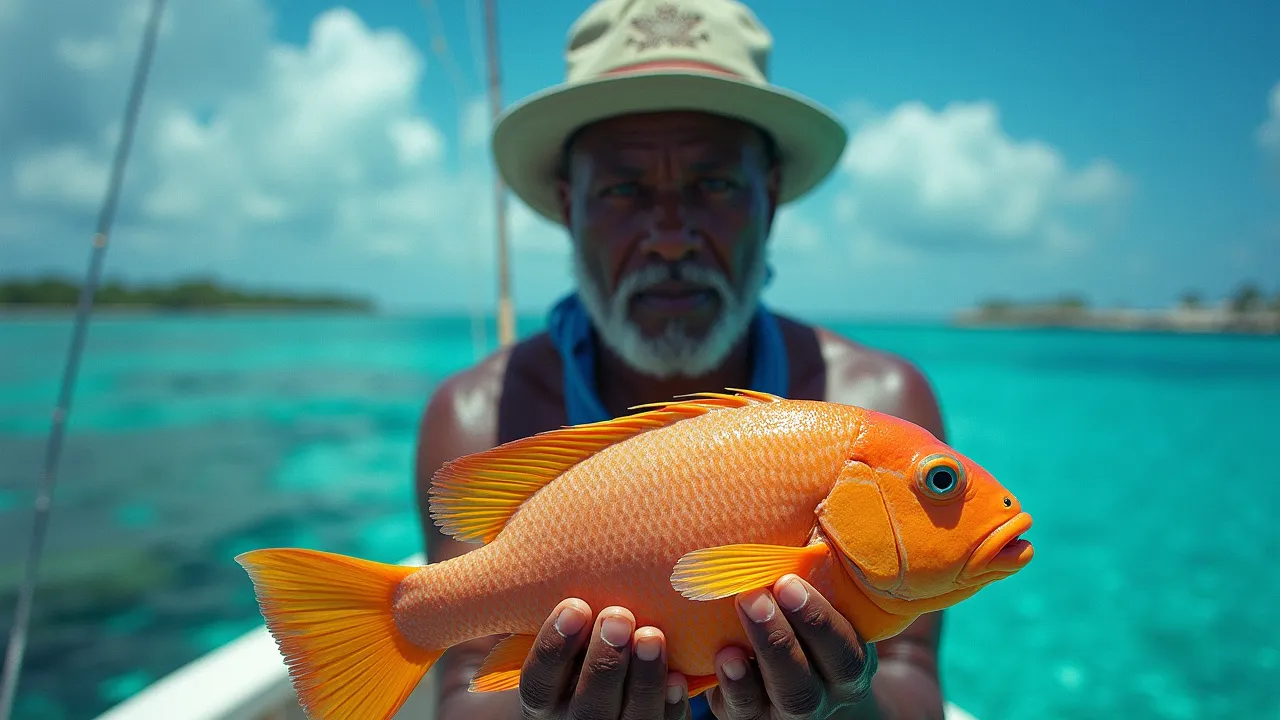
Coral Triangle Day, observed on June 9th, honors the world's epicenter of marine biodiversity. It raises global awareness about the Coral Triangle's fragile ecosystems and the urgent need for conservation.
Introduction to Coral Triangle Day
Coral Triangle Day is an annual observance held on June 9th to celebrate and protect the Coral Triangle, a vast marine region spanning six countries: Indonesia, Malaysia, Papua New Guinea, the Philippines, Solomon Islands, and Timor-Leste. This area is renowned as the global epicenter of marine biodiversity, hosting 76% of the world's coral species and over 3,000 fish species. The day was established by the Coral Triangle Initiative on Coral Reefs, Fisheries, and Food Security (CTI-CFF) in 2010 to galvanize collective action for marine conservation.
The observance serves as a platform for governments, NGOs, local communities, and individuals to engage in activities that highlight the ecological, economic, and cultural significance of the Coral Triangle. It also underscores the urgent threats from climate change, overfishing, and pollution that endanger this irreplaceable ecosystem.
Why the Coral Triangle Matters
The Coral Triangle supports the livelihoods of over 120 million people who depend on its fisheries for food and income. Its coral reefs act as natural barriers against storms, while its mangroves and seagrass beds sequester vast amounts of carbon. Beyond its ecological services, the region is a global priority for conservation due to its exceptional species richness and endemism.
The Historical Origins & Evolutionary Journey
Coral Triangle Day was first officially observed on June 9, 2010, following the launch of the CTI-CFF in 2009 at the World Ocean Conference in Manado, Indonesia. The initiative was a landmark commitment by the six Coral Triangle countries to coordinate marine conservation efforts across borders.
The Foundational Catalyst
The seed for Coral Triangle Day was planted during the 2007 APEC Summit, where leaders recognized the urgency of protecting the region's marine resources. Scientific assessments by organizations like WWF and The Nature Conservancy highlighted the Coral Triangle's critical state, spurring the creation of a multilateral action plan. The day was conceived as a yearly reminder of these commitments.
The Legislative/Official Adoption
On June 9, 2010, the six CTI-CFF member countries signed a joint declaration establishing Coral Triangle Day as an annual event. This was accompanied by the launch of the CTI Regional Plan of Action, which outlines targets for reef restoration, sustainable fisheries, and marine protected areas. Since then, the day has been recognized by the United Nations and various international bodies.
Modern Global Legacy
Over the past decade, Coral Triangle Day has grown from a regional commemoration to a global movement. Activities now range from beach cleanups and coral planting in Indonesia to educational webinars in the United States. The COVID-19 pandemic shifted many events online, expanding its reach. In 2023, over 1,000 events were registered across 80 countries, demonstrating its widespread impact.
How to Celebrate Coral Triangle Day
Celebrating Coral Triangle Day can take many forms, from individual actions to large-scale community initiatives. Here is a definitive guide to participating meaningfully.
For Individuals
- Educate Yourself: Read about the Coral Triangle's biodiversity and threats. Watch documentaries like Reefs of Riches or explore online resources from WWF and Conservation International.
- Reduce Your Footprint: Avoid single-use plastics, choose sustainable seafood certified by the Marine Stewardship Council, and minimize carbon emissions by using public transport.
- Donate: Support organizations like the Coral Triangle Center or The Nature Conservancy that work directly on conservation projects.
- Spread the Word: Share facts and infographics on social media using hashtags like #CoralTriangleDay and #SaveOurReefs.
For Schools
- Host a Lesson: Integrate marine biology into the curriculum. Use interactive maps to show the Coral Triangle's location.
- Art Projects: Have students draw coral reefs or create dioramas of marine ecosystems.
- Beach Cleanups: Organize a local cleanup and tag the CTI-CFF social media accounts.
For Organizations and Corporations
- Employee Engagement: Offer volunteer days for reef restoration or fund a mangrove planting project.
- Sustainable Policies: Review supply chains to eliminate destructive fishing practices and reduce plastic packaging.
- Partnerships: Collaborate with local marine protected areas to sponsor conservation activities.
- Media Campaigns: Launch awareness drives highlighting the economic value of the Coral Triangle to tourism and fisheries.
Global Celebrations Across Countries
In Indonesia, large-scale coral transplantation events draw thousands of participants. In the Philippines, fishing communities organize "no-take" zone enforcement drives. In Australia, aquariums host special exhibits. Virtual events like live-streamed dives are popular in landlocked nations. The key is to adapt activities to local contexts while amplifying the global message of conservation.
The Global Impact of Coral Triangle Day
Coral Triangle Day has catalyzed significant policy and behavioral changes across the region. Since its inception, the day has been used to announce new marine protected areas (MPAs) and strengthen fisheries management.
Policy Achievements
As of 2024, the six member countries have established over 200 MPAs covering nearly 20 million hectares of coastal and marine habitats. The CTI-CFF's "Seascapes" approach has reduced illegal fishing by 15% in priority areas. Coral Triangle Day pressurizes governments to meet their conservation targets.
Community Empowerment
The day empowers local communities by showcasing traditional knowledge. In the Solomon Islands, customary resource management systems have been revitalized through awareness campaigns. Women-led cooperatives engaged in sustainable seaweed farming have gained visibility.
Economic Benefits
The Coral Triangle's coral reefs generate an estimated $2.3 billion annually through tourism and fisheries. Coral Triangle Day promotes sustainable tourism, which has increased by 12% in some regions since 2015. The day also attracts international funding for conservation projects, with over $500 million pledged since 2010.
Threats to the Coral Triangle Ecosystem
The Coral Triangle faces unprecedented threats, and Coral Triangle Day serves as a stark reminder of what is at stake.
Climate Change
Rising sea temperatures cause coral bleaching, with mass events in 1998, 2010, and 2016 affecting up to 80% of reefs in some areas. Ocean acidification reduces calcification rates, weakening reef structures. The region is warming at 0.2°C per decade.
Overfishing and Destructive Fishing
Blast fishing and cyanide fishing still occur in remote areas. Overfishing of key species like groupers and Napoleon wrasse has collapsed some fisheries. Bycatch of endangered turtles and sharks is common.
Pollution
Agricultural runoff, sewage, and plastic waste choke coastal ecosystems. The Coral Triangle is a hotspot for marine debris, with some beaches recording over 500 plastic items per meter. Mangrove clearing for shrimp farming exacerbates erosion.
Coastal Development
Unregulated tourism, urban expansion, and mining destroy critical habitats. Indonesia's coral cover declined by 15% from 2009 to 2019 partly due to land reclamation.
Conservation Efforts and Success Stories
Despite challenges, there are noteworthy conservation successes that Coral Triangle Day highlights.
Reef Restoration
Programs like "RESTORE" in the Philippines have transplanted over 100,000 coral fragments, achieving 80% survival. In Indonesia, "Coral Triangle Center" runs community-based nurseries that produce resilient coral genotypes.
Marine Protected Areas
Raja Ampat's MPA network, a globally significant area, has seen coral cover increase from 25% to 40% since 2010. No-take zones in Timor-Leste have boosted fish biomass by 300% in five years.
Sustainable Fisheries
Fisheries improvement projects (FIPs) in the region have reduced bycatch by 30%. Tuna fishing in the Coral Triangle is now 20% more sustainable due to better practices.
Community-Based Management
In Papua New Guinea, locally managed marine areas (LMMAs) have been revived, returning control to indigenous groups. The Locally Managed Marine Area Network now covers 500 communities.
Future Outlook and How You Can Help
The future of the Coral Triangle hinges on global cooperation and local action. Coral Triangle Day is not just a celebration but a call to action.
Emerging Initiatives
The CTI-CFF's 2030 Plan aims to protect 30% of regional seas by 2030. New financing mechanisms like reef insurance and blue carbon credits are being piloted. Technology, such as AI-based reef monitoring, is scaling up conservation efforts.
Your Role
Every individual can contribute. From supporting eco-tourism businesses to advocating for climate policies, your choices matter. Vote for leaders who prioritize ocean health. Reduce your carbon footprint. Engage with Coral Triangle Day events in your community. The Coral Triangle's resilience is our resilience.
As we commemorate Coral Triangle Day on June 9th, let us renew our commitment to protecting this underwater treasure for generations to come.
Historical Timeline
APEC Summit recognizes the ecological importance of the Coral Triangle, leading to the initial discussions about a multilateral conservation initiative.
World Ocean Conference in Manado, Indonesia: The Coral Triangle Initiative on Coral Reefs, Fisheries, and Food Security (CTI-CFF) is launched by the six member countries.
First official Coral Triangle Day is observed, coinciding with the signing of the CTI Regional Plan of Action.
Coral Triangle Day gains international recognition with events in over 20 countries, including the United States and Australia.
The United Nations recognizes Coral Triangle Day as a key observance for Sustainable Development Goal 14 (Life Below Water).
Coral Triangle Day goes digital with live-streamed coral restoration and virtual reef tours, reaching millions online.
Despite the pandemic, virtual Coral Triangle Day events see record participation, with over 500 registered activities globally.
Coral Triangle Day celebrates its 13th anniversary with over 1,000 events in 80 countries, highlighting the decade of progress in marine conservation.
CTI-CFF announces new 2030 targets including 30% of regional seas as protected areas, building on Coral Triangle Day momentum.