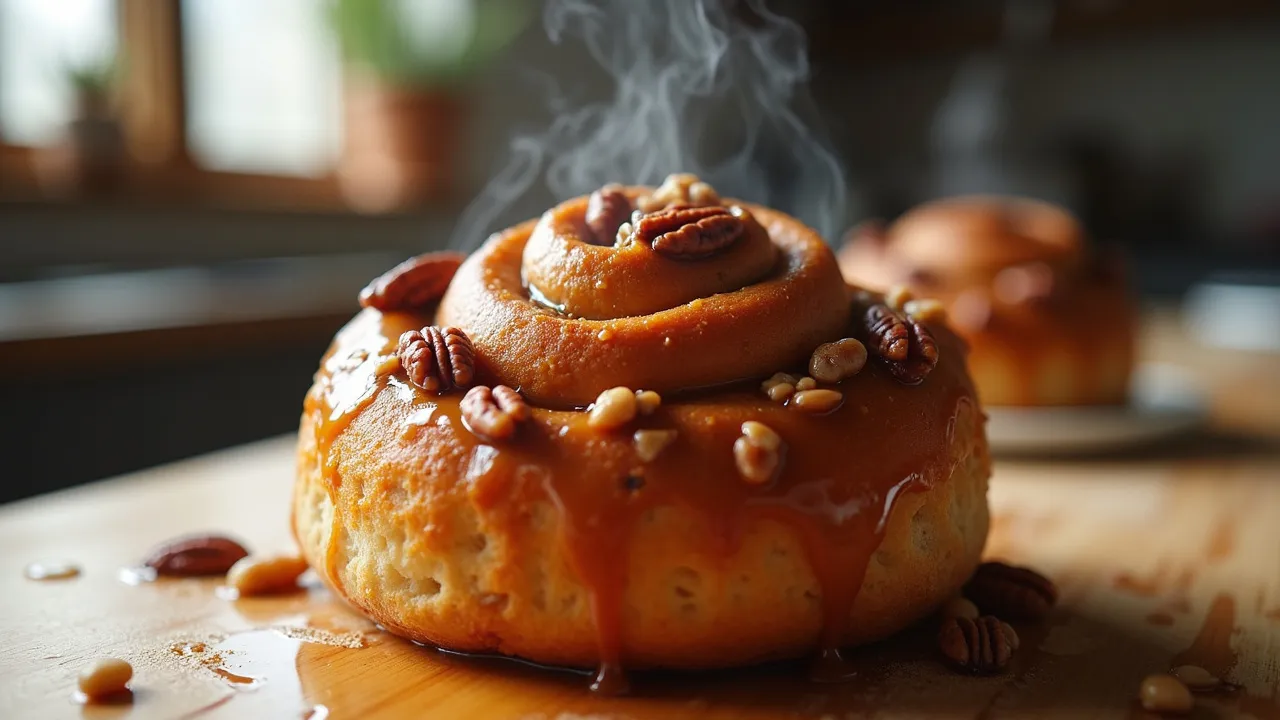
National Sticky Bun Day, observed on February 21st, celebrates the irresistible, caramel-coated pastry beloved for its gooey texture and nutty topping. Dive into its rich history, global variations, and sweet traditions.
The Historical Origins & Evolutionary Journey
National Sticky Bun Day, observed each year on February 21st, honors a pastry that has delighted palates for centuries. The sticky bun, characterized by its caramelized sugar, butter, cinnamon, and often pecans or walnuts, traces its roots to European baking traditions, particularly Germany and Scandinavia. This section explores the deep history, from ancient sweet breads to the modern-day holiday.
The Foundational Catalyst: Early Sweet Breads
The sticky bun's ancestors include Schnecken (German for "snails")—rolled yeasted doughs with cinnamon, sugar, and nuts, baked in a sweet glaze. In the 18th and 19th centuries, German immigrants brought these recipes to America. Similarly, Scandinavian bakers produced kanelbullar (cinnamon buns) that evolved into sticky variations. The key innovation was the bottom-of-the-pan caramelization, achieved by coating the pan with sugar and butter before baking.
The Legislative/Official Adoption: Birth of a Food Holiday
While no single government proclamation established National Sticky Bun Day, it emerged organically from community baking traditions and food enthusiast groups. The exact year of first organized celebration is often cited as 2001, when bakeries and food bloggers began promoting the day. The National Day Calendar later recognized February 21st as National Sticky Bun Day, solidifying its place in the American culinary calendar.
Modern Global Legacy
Today, sticky buns are celebrated worldwide, from American coffee shops to European bakeries. Variations include the St. Louis-style gooey butter cake adaptation, and the Hawaiian-style with macadamia nuts. National Sticky Bun Day has become a catalyst for baking contests, charity bake sales, and social media sharing, with hashtags like #StickyBunDay trending annually.
How to Celebrate National Sticky Bun Day
Celebrating National Sticky Bun Day on February 21st is a delicious opportunity to indulge in this sweet treat, share it with others, and explore its cultural significance. Below is the ultimate guide to celebrating, whether you are at home, in school, or at work.
1. Bake from Scratch: The Authentic Experience
Nothing beats homemade sticky buns. Follow these steps for a classic recipe:
- Prepare the dough: Combine flour, yeast, warm milk, sugar, butter, and eggs. Knead until smooth, then let rise.
- Make the filling: Mix brown sugar, cinnamon, and softened butter.
- Assemble: Roll the dough into a rectangle, spread filling, sprinkle pecans, then roll tightly and slice.
- Prepare the pan: Coat a baking dish with butter, brown sugar, and corn syrup (or honey). Place slices cut-side down.
- Bake and invert: After baking, immediately invert the pan onto a plate to reveal sticky caramel top.
2. Visit a Local Bakery: Support Artisans
Many bakeries offer special deals on National Sticky Bun Day. Call ahead and order a batch for your office or family. Look for unique local twists, such as bourbon-glazed or fruit-infused varieties.
3. Host a Sticky Bun Tasting Party
Invite friends to sample sticky buns from different cultures:
- American Classic – caramel and pecans
- German Schnecken – raisins and walnuts
- Swedish Kanelbullar – pearl sugar and cardamom
- Finnish Korvapuusti – cinnamon and coarse sugar
4. Global Celebrations: Unique Traditions
- United States: Many coffee chains (e.g., Starbucks) offer free or discounted sticky buns on February 21st. Home bakers share recipes on #NationalStickyBunDay.
- Germany: Schnecken are enjoyed year-round, but on this day, bakeries feature special family recipes.
- Sweden: Kanelbullar are celebrated on October 4th (Cinnamon Bun Day), but February 21st is gaining traction among expat communities.
- Canada: Sticky buns are often served with maple syrup glaze.
5. Share on Social Media
Post your sticky bun creations with tags like #StickyBunDay, #NationalStickyBunDay, and tag your favorite bakeries to spread the sweetness.
Global Variations & Cultural Impact
Sticky buns have traveled across continents, adapting to local ingredients and tastes. This section highlights diverse interpretations and the cultural significance of this pastry.
Regional Styles
- United States: The classic sticky bun is a breakfast staple, often served with coffee. The Southern version adds bourbon or uses a biscuit-like dough.
- Germany (Schnecken): More dense, with a heavier nut and raisin filling, often baked in a honey syrup.
- Scandinavia (Kanelbullar): Lighter, spiced with cardamom, topped with pearl sugar. In Sweden, Cinnamon Bun Day is a major holiday, but sticky variations are increasingly popular.
- United Kingdom (Chelsea Buns): A close relative, these are more like a tea cake, with dried fruit and a sticky glaze. National Sticky Bun Day inspires British bakers to experiment.
Impact on Baking Industry
The sticky bun craze has boosted demand for specialty ingredients like European-style butter, pecan exports, and high-moisture brown sugar. Bakeries report a 30% sales increase on February 21st. This day also encourages innovation: gluten-free, vegan, and low-sugar recipes have emerged to meet dietary needs.
Social Media and Community
Food bloggers and influencers drive the celebration, with tutorials and historical tidbits. The hashtag #NationalStickyBunDay generates millions of impressions, strengthening online baking communities. Charitable bake sales for schools and hospitals often piggyback on this day.
Nutritional Profile & Modern Twists
While sticky buns are undeniably indulgent, understanding their nutritional content can help with mindful celebration. Modern bakers also create healthier alternatives without sacrificing flavor.
Classic Sticky Bun Nutrition (per average bun)
- Calories: 400–600 kcal
- Fat: 20–30g (mostly butter and nuts)
- Carbohydrates: 50–70g (flour and sugar)
- Protein: 6–10g (from eggs, milk, nuts)
- Fiber: 2–4g (whole grains optional)
Health-Conscious Adaptations
Many bakers now offer versions with whole wheat flour, reduced sugar, or plant-based butter. Some popular twists include:
- Vegan Sticky Buns: Use coconut oil, almond milk, and flax eggs.
- Gluten-Free: Substitute almond or oat flour blends.
- Paleo/Whole30: Use cassava flour, date syrup, and coconut cream.
- Savory Sticky Buns: Replace sugar with cheese and herbs for a dinner roll twist.
These adaptations ensure everyone can enjoy National Sticky Bun Day regardless of dietary restrictions.
The Science Behind the Perfect Sticky Bun
Creating the ideal sticky bun involves food science—from yeast fermentation to caramelization. This section breaks down the key techniques.
Yeast Management
Yeast produces carbon dioxide, creating the bun's airy crumb. Temperature control is critical: too hot kills yeast, too cold slows rise. Ideal proofing temperature is 75–85°F (24–29°C). Adding a bit of sugar to the dough accelerates activity.
Caramelization Magic
The bottom-of-the-pan glaze is made by heating sucrose and butter, which undergoes Maillard Maillard reaction and caramelization. Corn syrup or honey prevents crystallization, ensuring a smooth, gooey texture. The addition of nuts adds crunch and flavor contrast.
How to Invert Without Disaster
The critical moment is flipping the pan. Wait exactly 1–2 minutes after baking to allow the caramel to loosen but not harden. Use oven mitts and a flat plate, then flip swiftly. Any stuck bits can be scraped off.
Mastering these techniques ensures a bakery-quality sticky bun at home.
National Sticky Bun Day in Popular Culture
This food holiday has permeated movies, TV shows, and literature, often symbolizing comfort, indulgence, or nostalgia.
Notable References
- Film: In the 2004 movie Lemony Snicket's A Series of Unfortunate Events, sticky buns appear as a rare treat.
- Television: The animated series The Simpsons features a Springfield bakery selling "Sticky Bun" daily specials.
- Children's Books: The If You Give a Mouse a Cookie series includes a character who bakes sticky buns.
Social Media Trends
On February 21st, Instagram and Pinterest see a surge in sticky bun recipes. The ASMR videos of drizzling caramel are particularly viral. Food vloggers often host live baking streams, encouraging viewer participation.
This cultural visibility drives annual reinvention, keeping the sticky bun relevant in modern gastronomy.
Historical Timeline
German immigrants bring Schnecken recipes to the United States, laying the foundation for the American sticky bun.
The first documented sticky bun recipe appears in American cookbooks, often as 'caramel rolls' using a yeast dough.
Food enthusiasts and regional bakeries begin informally celebrating National Sticky Bun Day on February 21st.
The National Day Calendar officially recognizes February 21st as National Sticky Bun Day, boosting national awareness.
During the pandemic, virtual sticky bun baking classes and home deliveries surge, cementing the day as a community event.